
Tips
What Is the Primal Diet? Why Your Inner Caveman Might Need a Salad
Curious what is the primal diet? Discover how eating like your ancient ancestors—with a side of cheese—might energize you (and your next caveman impression).
Real-Life Fitness for Real People
Since 2024
A weight loss journal turns “just one bite” into “aha, that’s my third snack!” See how science-backed tracking helps you eat smarter—giggles included.

Weight loss journal strategies give you a simple tool to spot what’s working and gently course-correct before you lose momentum—helping you lose weight and actually keep it off. Sticking with new habits can feel like a daily battle, but tracking makes your progress visible.
Disclosure: This article contains affiliate links. We may earn a commission at no extra cost to you.
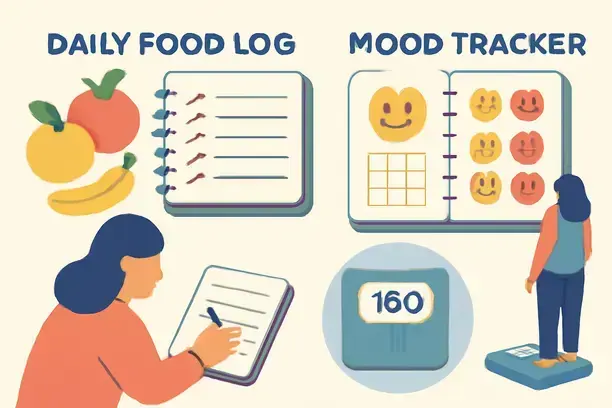
Keeping a weight loss journal has proven benefits supported by scientific research, not just popular opinion. Studies consistently show that adults who track their daily food intake tend to lose more weight compared to those who don’t.
Here’s a striking example: a prominent study published in the American Journal of Preventive Medicine found that consistent food logging resulted in double the weight loss compared to less frequent tracking.Source: American Journal of Preventive Medicine
Effective journaling involves more than listing foods—it includes noting meal times, portion sizes, and psychological factors such as hunger, cravings, and stress. Sleep patterns matter, too.
This comprehensive approach helps uncover behavioral trends, such as stress-induced snacking, enabling more tailored interventions. The Centers for Disease Control and Prevention highlights this multifaceted logging as key to improved weight management.Source: CDC
Conversely, some popular journaling habits, like obsessive calorie counting or rigid “perfect day” templates, lack consistent scientific support. While they may work for some, flexibility and mindfulness generally lead to more sustainable habits. Claims that journaling alone, without behavioral change, can “manifest” weight loss remain anecdotal at best.
To maximize your journaling, include meal timing, physical sensations, and emotional triggers. Weekly reviews to spot patterns—such as correlating fatigue with overeating—enable informed adjustments for lasting results.
If you prefer structured support, programs like The Mediterranean Diet – 30-Day Challenge offer guided meal plans integrated with food and mood tracking tools, streamlining your journaling experience.
Remember, journals aid mindful self-monitoring. They’re a powerful tool endorsed by clinical research, but not magic solutions on their own.Source: National Institute of Diabetes and Digestive and Kidney Diseases
For a proven journaling framework incorporated in a comprehensive plan, explore resources like the Mediterranean Diet 30-Day Challenge that pairs journaling calendars with accountability tools.
Many find combining food logs with meal plans produces the best sustained results. For insights on structured meal planning, see our detailed guide on effective meal planning for weight loss.
Journaling puts you in the driver’s seat, but certain health situations call for a co-pilot. If you have underlying health conditions or unique needs, professional guidance helps you lose weight safely and effectively.
You should consult a healthcare provider before starting a weight loss plan if you:
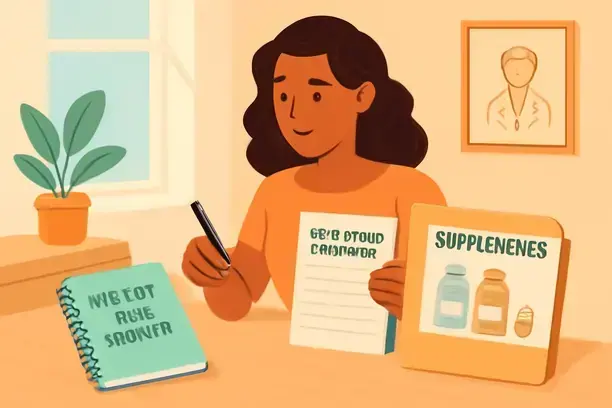
Professionals can tailor safe plans and closely monitor your progress. Bringing your detailed weight loss journal—including meals, energy levels, symptoms, and emotional variations—to appointments helps guide assessments and care plans effectively.
Certain aggressive diets must never be attempted without medical clearance and supervision. These include:
These regimens risk serious complications like electrolyte imbalances, heart arrhythmias, or nutrient deficiencies if not properly managed. Always seek professional advice.
The Academy of Nutrition and Dietetics emphasizes consulting healthcare providers prior to engaging in extreme diet plans.Source: Academy of Nutrition and Dietetics
When visiting your doctor, dietitian, or specialist, preparation enhances the quality of care. Bring:
This helps your provider detect risks, assess progress, and design personalized recommendations.
Your primary care doctor is often the best first contact. They can screen for underlying conditions and refer you to specialists such as:
Ensure providers have appropriate credentials and experience in weight management. Referrals may be required for insurance coverage.
For guidance on diet safety, visit our resource on how to make a diet plan for weight loss.
Curious what is the primal diet? Discover how eating like your ancient ancestors—with a side of cheese—might energize you (and your next caveman impression).
Curious about the zero starch diet? Learn what you can actually eat, how to avoid salad boredom, and why potatoes are definitely not invited to this party.
A beginner swim workout turns splashing around into smart, safe exercise—even if your best stroke is “try not to panic.” Learn to swim with confidence (and laughs).