Tips
What Is the Primal Diet? Why Your Inner Caveman Might Need a Salad
Curious what is the primal diet? Discover how eating like your ancient ancestors—with a side of cheese—might energize you (and your next caveman impression).
Real-Life Fitness for Real People
Since 2024
Picture this: It’s 6 p.m., and your kids are literally hanging off the pantry door. The clock is ticking, your grocery budget is stretched thin, and takeout feels tempting. Sound familiar? Last Tuesday, I watched my neighbor Sarah pull off a miracle—she whipped up a creamy pasta dish using leftover veggies and a $2 can …
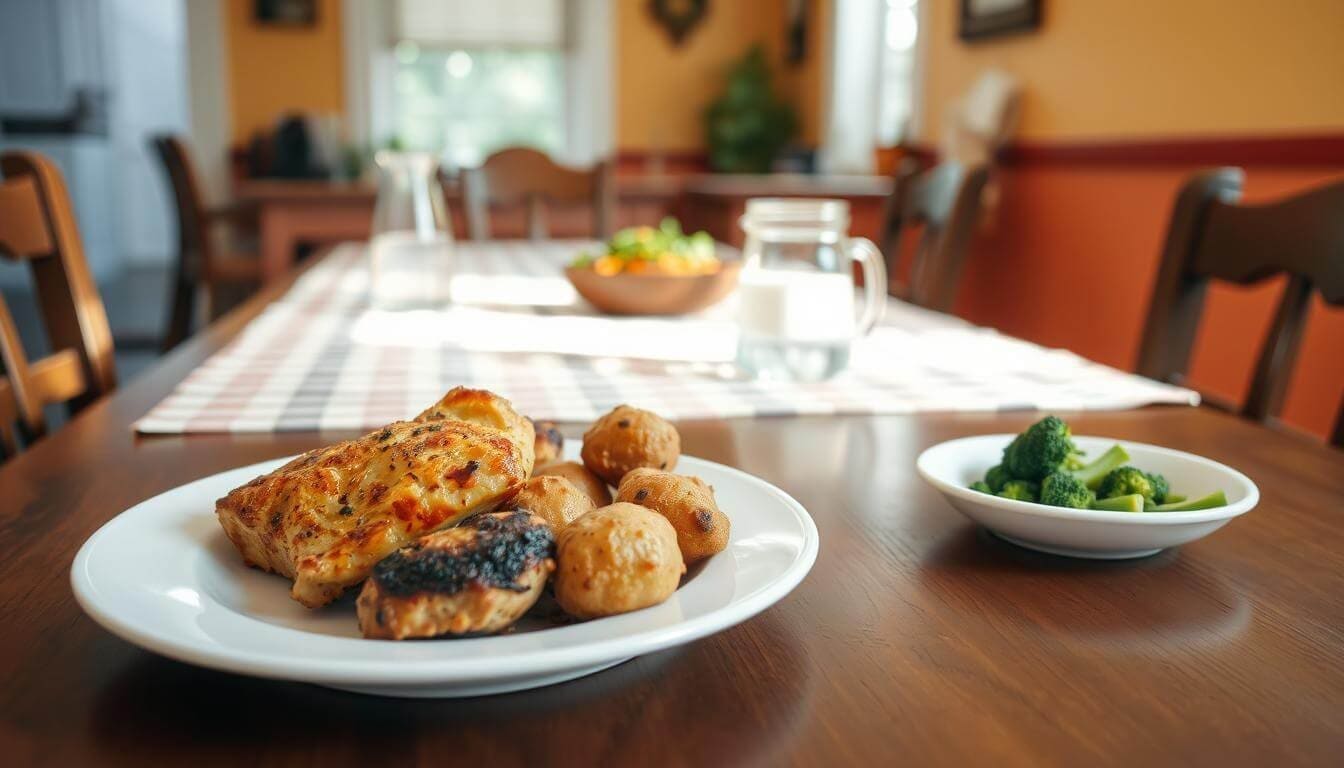
Picture this: It’s 6 p.m., and your kids are literally hanging off the pantry door. The clock is ticking, your grocery budget is stretched thin, and takeout feels tempting. Sound familiar? Last Tuesday, I watched my neighbor Sarah pull off a miracle—she whipped up a creamy pasta dish using leftover veggies and a $2 can of beans. Her secret? Smart planning and recipes designed for real life.
This guide is for anyone who’s ever stared into their fridge wondering how to turn basic ingredients into something everyone will actually eat. Forget bland “budget” food—we’re talking flavorful stir-fries, hearty skillet dinners, and sheet-pan wonders that cost less than $3 per serving. Every recipe here takes 30 minutes or less, because time is money when you’re juggling work, school, and after-school activities.
With our collection of cheap family meals, you’ll discover how to stretch staples like rice, eggs, and frozen veggies into satisfying dishes that even picky eaters love. We’ve tested these strategies in kitchens where microwaved cereal isn’t just a meme—it’s a Tuesday night reality. Let’s make weeknights easier (and tastier) without draining your wallet.
Balancing nutrition and finances feels like solving a puzzle with missing pieces these days. With 72% of U.S. households adjusting grocery lists due to inflation, creative kitchen strategies aren’t just helpful—they’re essential for feeding family members well without overspending.
Shared meals build connections that outlast temporary price hikes. A recent study found families who eat together 5+ times weekly report stronger relationships—even when menus rotate affordable staples like eggs and seasonal produce. The secret? Focusing on connection, not complicated recipes.
| Factor | Home Cooking | Dining Out |
|---|---|---|
| Cost per meal | $2.50-$4 | $12-$18 |
| Prep time | 25 mins | 45+ mins |
| Nutrition control | Full | Limited |
Shifting perspectives transforms constraints into opportunities. Instead of viewing budget limits as restrictive, treat them as a chance to experiment with spices, leftovers, and versatile ingredients. Kids who help chop veggies or measure rice gain practical math skills while learning financial responsibility.
Smart planning turns simple ingredients into satisfying dinners. Batch-cooked grains become tomorrow’s stir-fry base. Roasted vegetables moonlight as sandwich toppings. This approach reduces food waste while helping families save money—proving nourishing meals and memorable moments don’t require lavish spending.
Transforming everyday pantry items into satisfying dishes requires one secret weapon: creativity over complexity. Take the humble potato—when cooked in an air fryer, it becomes crispy perfection in half the time of oven baking. Top it with chives from your windowsill and leftover chili, and you’ve got a customizable flavor explosion costing under $1 per serving.
Weeknight heroes like lemon pasta prove gourmet tastes don’t demand fancy ingredients. A tangy blend of citrus zest, butter, and grated cheese coats noodles in bright flavor. “This dish tastes like spring in a bowl,” raves home cook Marissa T., who serves it with roasted broccoli from her freezer stash.
Ground beef stretches further when paired with canned goods. Hearty taco soup combines protein, beans, and veggies in a single pot—ideal for hectic evenings. Consider these building blocks for endless variations:
Mastering these foundations lets you mix textures and flavors while controlling costs. As chef Carla Hall notes: “Great cooking celebrates what’s abundant, not what’s expensive.” With smart techniques, even basic ingredients become memorable meals that keep everyone asking for seconds.
Your kitchen becomes a well-oiled machine when you invest 30 minutes in weekly meal planning. That half-hour session slashes daily stress and cuts grocery bills by up to 23%, according to USDA research. Let’s break down the magic.
Start by checking store flyers for seasonal produce and protein deals. Build your menu around these bargains, then check your pantry for matching staples. This strategy helped teacher Jenna Ramirez reduce her food waste by 40%: “I now use every carrot and grain before they expire.”
| Planning Factor | With Strategy | Without Strategy |
|---|---|---|
| Weekly Prep Time | 30 mins | 2+ hours |
| Average Meal Cost | $3.20 | $5.80 |
| Leftover Usage | 92% | 34% |
Theme nights simplify decision-making while keeping things fresh. Try “Stir-Fry Wednesday” using Sunday’s leftover roasted veggies or “Breakfast-for-Dinner Friday” with eggs and toast. Involve kids by letting them name themes or pick one ingredient weekly.
Here’s the kicker: Planned menus reduce last-minute takeout orders by 67%. As nutritionist Dr. Ellen Park notes: “A posted meal calendar becomes your dinner GPS—no more 5 p.m. detours to pizza places.” Store your plan on the fridge or shared phone notes for easy reference.
Pro tip: Cook double batches of versatile bases like quinoa or grilled chicken. These become tomorrow’s salad toppers or taco fillers, stretching your budget and cooking time further than you’d imagine.
The secret to stretching your food dollars lies not in what you buy, but how you buy it. Start by aligning shopping trips with store sales cycles—most supermarkets reset prices every Wednesday. “I save 30% weekly by hitting the meat section right after morning markdowns,” shares Colorado mom and bargain hunter Lisa Tran.

Price-per-unit labels reveal hidden savings. While bulk bins often offer better value for rice and oats, smaller pasta packages might cost less per ounce during promotions. Keep a calculator app handy to compare deals instantly.
Digital tools transform smartphones into savings machines. Stack store app coupons with loyalty rewards—Kroger users saved $1.2 billion last year through digital offers alone. Favorite strategy: Load e-coupons for ingredients you already planned to buy.
Smart shoppers know when to bend the rules. That “manager’s special” chicken nearing its sell-by date? Freeze it tonight, use it next week in tacos or curry. As budget expert Jordan Page advises: “Waste prevention is instant cash back in your pocket.”
What if Sundays could save your weeknights? Dedicate 2-3 hours to meal prep, and watch dinner stress dissolve faster than butter in a hot pan. Busy parents report reclaiming 10+ weekly hours through strategic batch cooking—time better spent helping with homework or unwinding.
Cook grains and proteins in bulk for mix-and-match versatility. Roast two sheet pans of veggies while simmering lentils and shredded chicken. Store components separately in clear containers for grab-and-go assembly. Nutritionist Amy Lee suggests: “Label everything with dates—your future self will thank you when Wednesday’s stir-fry comes together in 7 minutes flat.”
Freezer-friendly options maximize flexibility. Portion soups and casseroles in muffin tins for single servings, or freeze taco meat in silicone bags. Thaw overnight for instant taco salads or loaded baked potatoes.
Stock these building blocks for endless combinations:
Turn prep into family time. Kids can wash produce or measure spices while learning kitchen safety. Batch cooking becomes bonding time when everyone contributes—plus, it guarantees no complaints about “mystery” ingredients later!
What if weeknight dinners could clean up after themselves? Enter the game-changing world of single-vessel cooking—where flavor-packed dishes emerge from one pan while your sink stays suspiciously empty. These methods turn chaotic kitchens into calm spaces, proving delicious food doesn’t require a mountain of dishes.
Air fryers transform basic ingredients into crunchy masterpieces in minutes. Take grilled cheese: layer smoked gouda and sharp cheddar between sourdough, then air-fry at 380°F for 5 minutes. The result? Golden bread with molten cheese centers—no flipping required. “My kids think it’s magic,” laughs Minnesota mom Dana S., who serves these with air-fried carrot fries.
Energy efficiency meets speed here. Air fryers use 30% less power than conventional ovens while cooking food 25% faster. Try crispy hot dogs with pretzel buns—ready in 12 minutes—or reheat yesterday’s pizza without soggy crusts.
Sheet pans are the unsung heroes of stress-free cooking. Arrange gnocchi, bell peppers, and zucchini on parchment paper. Sprinkle with Italian seasoning and bake at 425°F. In 20 minutes, you’ve got a $8 feast with caramelized edges and zero scrubbing.
Smart layering ensures perfection: start with sturdy veggies like potatoes, then add quick-cooking proteins. As chef Marcus Samuelsson notes: “The sheet pan doesn’t judge—it just delivers.” Let kids arrange toppings on their portion for hands-on fun.
These methods prove culinary wins don’t require complexity. With minimal prep and maximum flavor, you’ll reclaim evenings for what matters most—not dishpan hands.
Affordable proteins become culinary stars with smart preparation. Chicken thighs shine here—juicier and more flavorful than pricier cuts, they caramelize beautifully when roasted with honey and soy sauce. For meat lovers, ground beef transforms into comforting classics that feel indulgent without the steakhouse price tag.
Sticky glazed chicken thighs prove economical cuts deliver big flavor. Simmer them in a tangy sauce of orange juice, brown sugar, and garlic for fall-off-the-bone tenderness. Leftovers? Shred for tacos or stir into fried rice tomorrow.
| Cut | Cost per lb | Best Cooking Method |
|---|---|---|
| Whole chicken | $1.29 | Roast/Slow Cook |
| Chicken thighs | $1.89 | Braise/Glaze |
| Ground beef | $3.49 | Skillet/Shape |
Turn ground beef into Salisbury steak with mushroom gravy that rivals diner specials. Mix in breadcrumbs and onions for texture, then pan-sear for crispy edges. Pair with mashed potatoes using leftover broth from yesterday’s soup.
Batch-cook shredded chicken for multiple meals. Use half for nachos tonight, then freeze the rest for chili or enchiladas. As chef José Andrés advises: “Respect the ingredient, and it will reward your creativity tenfold.”
Turn basic carbs into crave-worthy dinners using bright flavors and smart techniques. These dishes prove starch-based meals can be both wallet-friendly and exciting—no bland sides allowed.
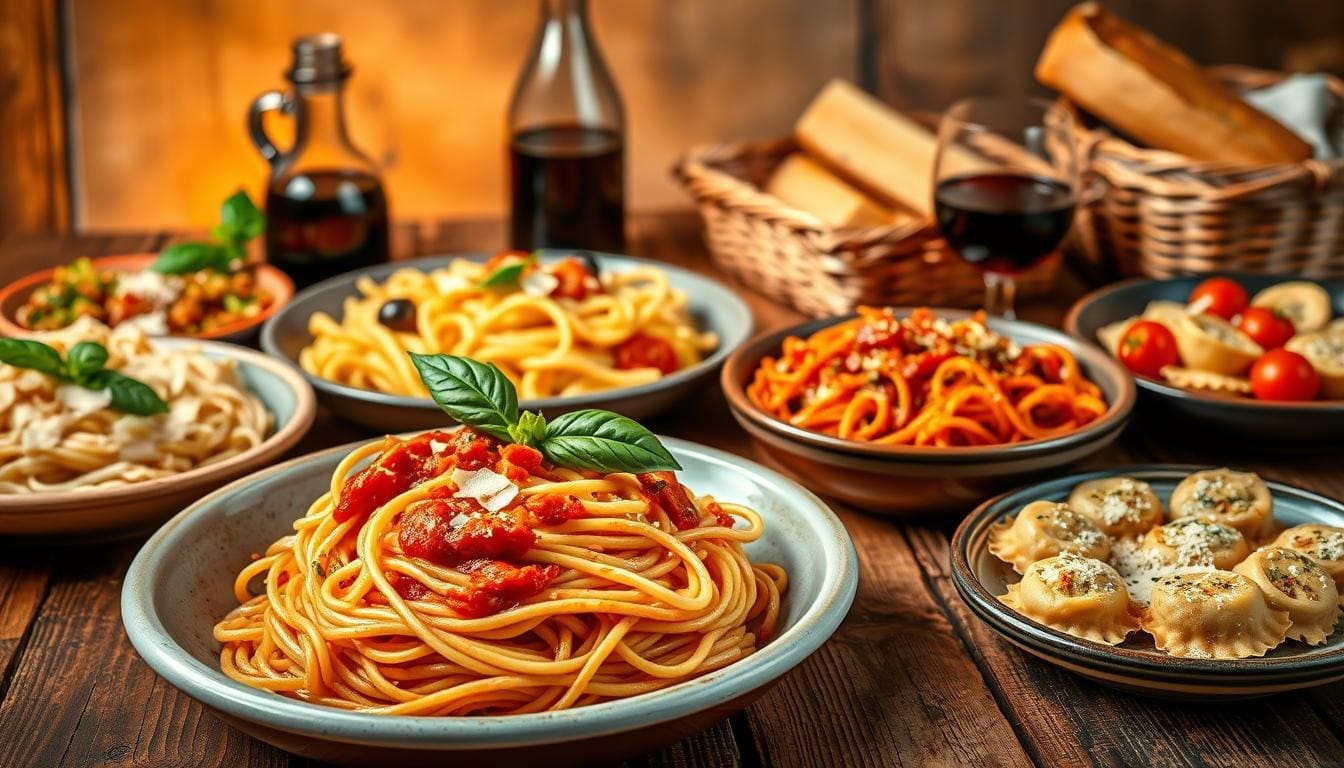
Brighten weeknights with lemon pasta—a 15-minute marvel requiring just 5 ingredients. Start by sautéing garlic in butter, then toss cooked noodles with lemon zest and juice. Finish with parmesan and cracked pepper for zingy comfort food costing under $1.50 per plate.
Pasta alla vodka shows how canned tomatoes transform into luxury. Simmer crushed tomatoes with cream and red pepper flakes for 8 minutes. Toss with penne and fresh basil. “This tastes like date night at home,” says food blogger Tina Chen, who serves it with garlic bread from day-old baguettes.
| Dish | Cost per Serving | Key Ingredients |
|---|---|---|
| Lemon Pasta | $1.40 | Butter, lemon, parmesan |
| Vodka Sauce | $1.85 | Canned tomatoes, cream, pasta |
| Peanut Noodles | $2.10 | Rice noodles, peanut butter, soy sauce |
Perfect rice starts with the 1:2 ratio—1 cup grains to 2 cups broth. Fluff with a fork after steaming for fluffy results every time. Use it as a base for stir-fries or mix with fried eggs and frozen peas.
Peanut noodles satisfy takeout cravings without delivery fees. Toss cooked spaghetti with peanut butter, lime juice, and chili oil. Add shredded chicken or tofu for protein. Kids love customizing toppings like crushed peanuts or sesame seeds.
These versatile foundations let you stretch ingredients creatively. Leftover rice becomes tomorrow’s fried rice. Extra noodles? Toss with pesto for a cold lunch salad. With endless variations, you’ll never hear “not carbs again!”
Plant-powered dishes prove hearty ingredients don’t need meat to shine. Beans and chickpeas pack protein and fiber, while seasonal veggies add color and crunch. Best part? These recipes turn pantry staples into satisfying plates that keep energy high and grocery bills low.
Baked potatoes become flavor vehicles with spiced chickpeas. Roast russets until crispy, then stuff with golden curry-seasoned chickpeas and yogurt. Pro tip: Use sweet potatoes for extra vitamins. Leftover filling? Toss into wraps or grain bowls tomorrow.
Stuffed peppers filled with black beans and quinoa prove veggies can be the main event. Roast until charred, then top with avocado crema. For meatless chili, simmer kidney beans with sweet potatoes and smoked paprika. “Even my teen asks for seconds,” shares dad-of-three Miguel Ruiz.
Customization keeps these dishes exciting. Swap chickpeas for lentils in soups, or mix roasted veggies into bean burgers. With endless combinations, you’ll rediscover how simple ingredients create meals that nourish both body and budget.
Try one-pan meals or sheet pan recipes like roasted veggies with chicken thighs. These minimize cleanup and cook in under 40 minutes. Air fryers also speed up cooking for crispy tofu or potatoes.
Stock up on rice, pasta, canned beans, and frozen veggies. These last long and work in dishes like taco soup, curried chickpeas, or lemon pasta. Spices like garlic powder add flavor without cost.
Yes! Chickpeas, lentils, or mushrooms replace meat in dishes like loaded potatoes or veggie stir-fries. For protein, use budget cuts like chicken thighs in casseroles or slow-cooker meals.
Repurpose leftovers creatively. Turn roasted chicken into tacos or add extra rice to a fried rice dish. Batch-cook bases like quinoa or noodles to use in multiple recipes during the week.
Try cheesy stuffed sweet potatoes with black beans or a veggie-packed pasta alla vodka. Sheet pan fajitas with peppers and onions also appeal to diverse tastes.
Absolutely! Use spices like smoked paprika, cumin, or Italian seasoning. A simple garlic-lemon sauce for pasta or yogurt-based dressings can elevate dishes like curried chickpea bowls.
Curious what is the primal diet? Discover how eating like your ancient ancestors—with a side of cheese—might energize you (and your next caveman impression).
Curious about the zero starch diet? Learn what you can actually eat, how to avoid salad boredom, and why potatoes are definitely not invited to this party.
A beginner swim workout turns splashing around into smart, safe exercise—even if your best stroke is “try not to panic.” Learn to swim with confidence (and laughs).