Tips
What Is the Primal Diet? Why Your Inner Caveman Might Need a Salad
Curious what is the primal diet? Discover how eating like your ancient ancestors—with a side of cheese—might energize you (and your next caveman impression).
Real-Life Fitness for Real People
Since 2024
Remember when you could breeze through daily activities without a second thought? That vibrant energy and effortless strength feel like precious gifts as the years pass. Many of us notice changes in our bodies that demand new attention to nutrition—especially adequate protein for older women to support strength and stamina. As we move through different …

Remember when you could breeze through daily activities without a second thought? That vibrant energy and effortless strength feel like precious gifts as the years pass. Many of us notice changes in our bodies that demand new attention to nutrition—especially adequate protein for older women to support strength and stamina.
As we move through different life stages, our physical needs evolve significantly. The body processes nutrients differently, requiring adjustments to support muscle maintenance and overall wellbeing. Prioritizing protein for older women helps preserve lean mass, stabilize energy, and make everyday tasks feel easier. This isn’t about chasing diet trends—it’s about embracing smart choices that honor your changing requirements.
Nutritional science reveals that hormonal shifts create distinct needs that differ from younger adults. Understanding these changes empowers you to make informed decisions about your diet. Focusing on protein for older women, alongside fiber-rich carbs, healthy fats, and micronutrients, can help maintain independence and vitality.
This guide provides clear, actionable information without overwhelming medical jargon. You’ll discover specific recommendations, practical meal strategies, and evidence-based approaches tailored to your life stage. Let’s explore how proper nutrition combined with activity supports an active lifestyle.
Our bodies are remarkable systems that constantly work to maintain balance and vitality. This nutrient serves as a fundamental building block for virtually every bodily function, making it absolutely essential for maintaining strength and wellness.
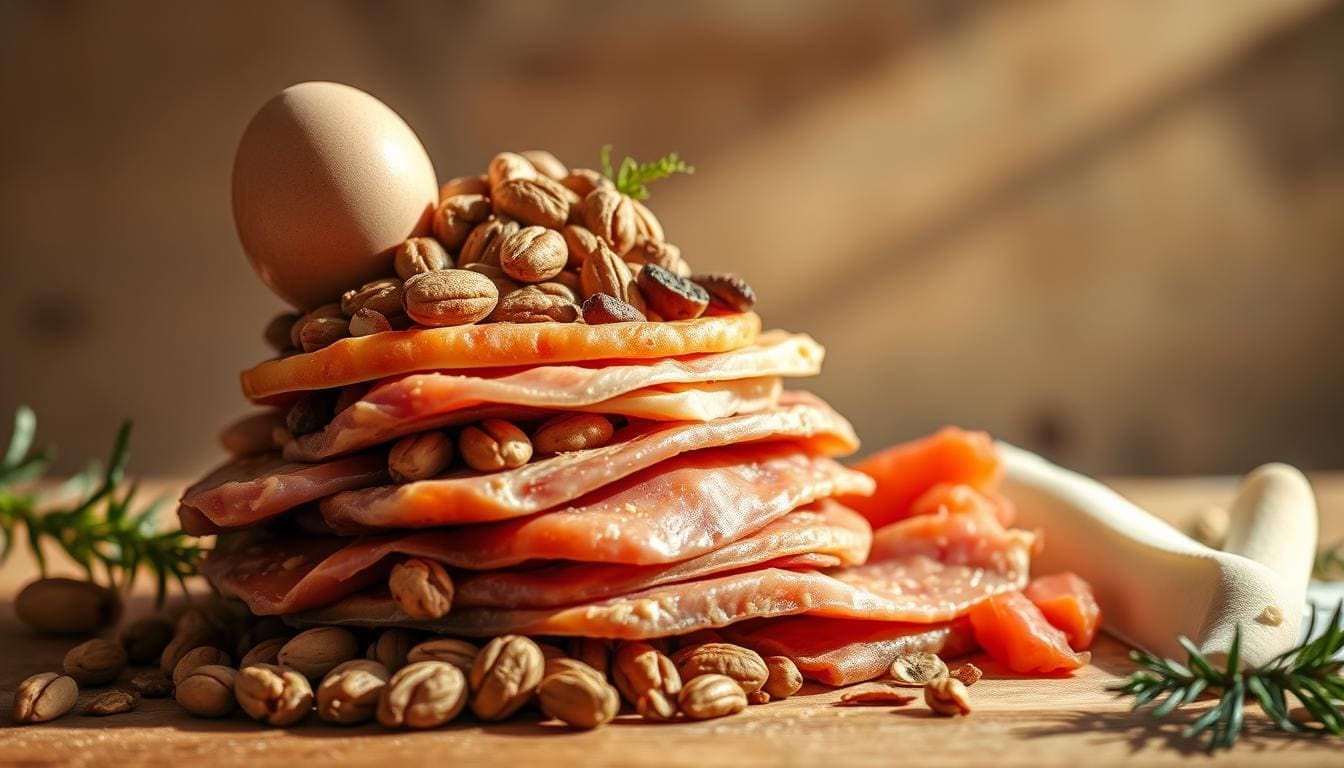
Protein directly supports muscle maintenance and growth, which becomes increasingly vital as we mature. Maintaining strong muscles helps with balance, mobility, and preventing injuries from falls.
Every day, your body constantly rebuilds and repairs tissues throughout your system. This nutrient provides the raw materials needed for this ongoing maintenance work, from skin and hair to internal organs.
This essential component contributes to immune system strength by helping create antibodies that fight infections. This is particularly important for maintaining robust defenses.
It also drives metabolic reactions like digestion for energy production and ensures proper hormone function. According to Dr. Marily Oppezzo, Nutrition Scientist at Stanford, “We need to eat enough protein every single day to get the essential nutrients necessary for optimal health and functioning.”
Getting adequate amounts isn’t just about preventing deficiency—it’s about giving your body what it requires to thrive and support an active lifestyle.
Navigating dietary needs through different life stages requires thoughtful consideration. The standard federal guideline suggests 0.8 grams per kilogram of body weight for adults. However, many nutrition experts believe this amount is insufficient for maintaining optimal health after 50.
Current research recommends 1.2-1.6 grams per kilogram of body weight daily for those aged 50+. For a 165-pound person, this translates to approximately 90-120 grams each day. A 140-pound individual would need about 77-102 grams daily.
Calculating your personal requirements is straightforward. Simply multiply your weight in pounds by 0.54-0.72 to determine your daily target range. This adjusted protein intake helps address changing physiological needs.
Starting around age 30, muscle mass begins declining by 1-2% yearly. This rate accelerates to 3-10% per decade as we age. This natural process, called sarcopenia, increases fall risks and reduces quality of life.
Women face unique challenges due to hormonal changes around age 40. Dramatic shifts in estrogen levels accelerate muscle loss more rapidly than in men. Research by Stuart Phillips demonstrates that higher amounts significantly slow this decline.
These recommendations serve as evidence-based starting points. Individual needs vary based on activity level and health conditions. Consulting healthcare providers ensures personalized guidance for maintaining strength and independence.
Strategic meal planning transforms daily nutrition from guesswork into a powerful wellness tool. Distributing your intake evenly across meals helps your system use nutrients more effectively than loading up at one sitting.

Aim for 30-35 grams per meal to maximize muscle maintenance. This amount helps overcome age-related changes in nutrient processing. Younger adults might manage with 20 grams, but mature bodies need this higher threshold.
Consuming 30-35 grams within two hours after strength training creates optimal conditions for muscle repair. This timing window capitalizes on your body’s heightened responsiveness post-exercise.
Dr. Oppezzo emphasizes this synergy: “Strength training is THE most important way to prevent age-related muscle loss, and it’s important to consume around 30 grams within a couple of hours after working out.”
Pair your intake with carbohydrates to create an ideal environment for muscle building. Healthy fats aid nutrient absorption and provide lasting satisfaction between meals.
This table shows a balanced daily approach:
| Meal Time | Target Amount | Key Benefits |
|---|---|---|
| Breakfast | 30-35 grams | Kickstarts daily muscle maintenance |
| Lunch | 30-35 grams | Sustains energy and repair processes |
| Dinner | 30-35 grams | Supports overnight recovery |
| Post-Workout | 30-35 grams | Maximizes exercise benefits |
For smaller appetites, try protein-rich snacks between meals. Greek yogurt, hard-boiled eggs, or a handful of nuts make excellent choices. This approach ensures consistent nourishment throughout your day.
Nature provides an incredible variety of nutrient-rich options to support your wellness journey. Whole food sources deliver complete nutritional packages with vitamins, minerals, and fiber working together.
Lean meat options like skinless poultry and lean beef cuts offer excellent amino acid profiles. These foods provide B vitamins, iron, and selenium alongside their high protein content.
Fish selections deliver impressive nutritional value. Cod provides 16 grams per 3-ounce serving with only 72 calories. Yellowfin tuna packs 25 grams in the same portion size.
Dairy products are nutritional powerhouses. Low-fat cottage cheese contains 28 grams per cup. These options also supply calcium for bone health.
Plant-based diets can meet all nutritional needs with careful planning. Tofu offers 10 grams per half-cup serving. Lentils provide 18 grams per cooked cup.
Edamame delivers 17 grams per cup while chickpeas contain 15 grams. These legumes also contribute fiber and essential minerals to your meals.
Leucine plays a crucial role in muscle maintenance. This amino acid appears abundantly in dairy, meat, and some plant sources. Including leucine-rich foods supports optimal body function.
There’s a fascinating biological change that occurs with aging called anabolic resistance. This natural process explains why our nutritional needs shift over time.
Anabolic resistance means your muscles become less responsive to nutrients. Essentially, you need to “speak louder” with more protein for your muscles to “hear” the signal to grow.
Research compared men around age 22 with those about 71 years old. Both groups consumed 20 grams of this nutrient in one sitting. Younger participants showed adequate muscle response at this amount.
However, the mature group needed 40 grams—double the amount—to achieve the same muscle-building effect. Their bodies required 0.4 grams per kilogram of body weight per meal versus 0.2 grams for younger individuals.
Dr. Oppezzo explains this concept beautifully: “Muscle growth is like remodeling your kitchen. You don’t remodel if you can’t afford your utility bill.” Your system prioritizes basic functions over building tissue.
To overcome this resistance, aim for 30-35 grams per meal. Time your intake around physical activity. Combine nutrients with carbohydrates for optimal results.
Consistent daily consumption works better than sporadic large amounts. This approach helps maintain strength and independence as you age.
Creating a balanced daily eating plan becomes simpler when you focus on consistent nutrient distribution. Spread your intake across three meals to maximize benefits for your body.
Dr. Oppezzo emphasizes this approach: “If we don’t eat enough during the day, where do we get our amino acids from? From our muscles! I wouldn’t panic about a single day, but it’s not a great long-term plan.”
Plan your sources in advance to ensure you meet daily needs. Batch cooking grilled chicken or hard-boiled eggs saves time on busy days.
Keep convenient options like Greek yogurt, nuts, and canned fish on hand. This makes healthy choices easy when you’re short on time.
This table shows an effective daily distribution strategy:
| Meal Time | Target Amount | Key Benefits |
|---|---|---|
| Breakfast | 20-25 grams | Starts daily maintenance |
| Lunch | 30-35 grams | Sustains energy levels |
| Dinner | 30-35 grams | Supports overnight repair |
| Snacks | 10-15 grams | Maintains consistent supply |
Special considerations apply for different eating patterns. Those practicing intermittent fasting should prioritize nutrient-rich foods during their eating window.
Recovery from illness or surgery may increase your requirements. Very active individuals might need higher amounts toward the 1.6 grams per kilogram range.
Watch for signs of inadequate intake like persistent hunger, weakened bones, or dull skin. These indicate your body isn’t getting what it needs to thrive.
Small, consistent changes in meal planning make a significant difference. Meeting your nutritional needs supports strength, energy, and overall wellbeing.
Investing in your nutritional foundation today pays dividends for your vitality tomorrow. The evidence is clear that adequate protein intake supports muscle mass maintenance and overall health as we age.
Remember the target of 1.2-1.6 grams per kilogram of body weight daily. This amount helps overcome anabolic resistance that affects older adults. Combine this nutritional strategy with regular strength training for maximum benefit.
Fortunately, delicious options abound from both animal and plant sources. View this approach not as restriction but as empowerment for your body’s needs.
These adjustments support your immune system, bone density, and energy levels. It’s never too late to start prioritizing your nutritional health. Your future self will thank you for the strength and independence you maintain today.
Most experts suggest that mature adults consume between 1.2 to 2.0 grams per kilogram of body weight. For a 150-pound person, that’s roughly 82 to 136 grams daily. It’s best to spread this amount across your meals for optimal absorption and to support muscle mass.
Excellent choices include eggs, Greek yogurt, cottage cheese, and lean poultry like chicken or turkey. Fish is another fantastic option. For plant-based diets, try lentils, tofu, or quinoa. These foods provide high-quality amino acids that your body can easily use.
As we age, our bodies can become less efficient at using the amino acids from food to build and repair tissue, a condition sometimes called anabolic resistance. Getting enough of this nutrient helps combat this, preserving lean body mass, which is crucial for mobility, energy, and overall health.
Absolutely! A well-planned plant-based diet can fully meet your needs. Focus on combining various sources like beans, nuts, seeds, and whole grains throughout the day. Products like tempeh, edamame, and certain meat alternatives are also great for boosting your intake.
Amino acids are the building blocks for antibodies and immune system cells. Ensuring adequate consumption helps your body produce these vital defenders, keeping your immune function strong and resilient.
Distributing your intake evenly throughout the day is more effective than eating a large amount in one meal. Aim for about 25-30 grams per meal. Having a source of this nutrient shortly after physical activity can also help with muscle recovery and growth.
Curious what is the primal diet? Discover how eating like your ancient ancestors—with a side of cheese—might energize you (and your next caveman impression).
Curious about the zero starch diet? Learn what you can actually eat, how to avoid salad boredom, and why potatoes are definitely not invited to this party.
A beginner swim workout turns splashing around into smart, safe exercise—even if your best stroke is “try not to panic.” Learn to swim with confidence (and laughs).