
Tips
What Is the Primal Diet? Why Your Inner Caveman Might Need a Salad
Curious what is the primal diet? Discover how eating like your ancient ancestors—with a side of cheese—might energize you (and your next caveman impression).
Real-Life Fitness for Real People
Since 2024
Curious about mediterranean diet macro ratios? Get the facts, laugh at the carb confusion, and see how to balance tasty food with real health—minus the kitchen scale.

Mediterranean diet macro ratios help you enjoy delicious food, boost your health, and keep meals simple—without tracking every bite or feeling deprived. The Mediterranean diet’s flexible macros make balanced eating realistic for everyday life.
Disclosure: This article contains affiliate links. We may earn a commission at no extra cost to you.
The Mediterranean diet is widely recognized for its health advantages, yet it doesn’t lock you into a single fixed macronutrient ratio. Instead, decades of research across different Mediterranean regions reveal flexible, evidence-backed macro ranges that emphasize whole, minimally processed foods.
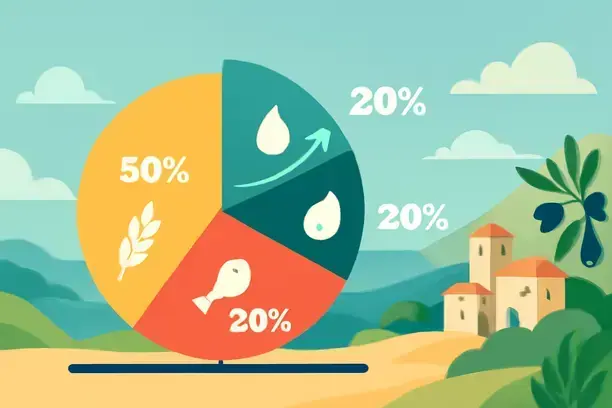
Clinical reviews and expert consensus typically characterize traditional Mediterranean diet macros as:
Macro distributions vary somewhat by region, reflecting local agriculture and culture.
For example, traditional rural Greek or southern Italian diets tend towards higher carbohydrates and lower fats, whereas southern France favors more seafood and olive oil, increasing fat intake slightly. Despite these nuances, the consistent themes include emphasizing unrefined grains, abundant vegetables, olive oil, and lean protein sources.
For most healthy adults, beginning within these macro ranges supports overall wellness and weight management. However, specific health conditions such as diabetes or kidney disease may require tailored adjustments by a registered dietitian or healthcare professional.
Want a shortcut to balanced Mediterranean macros—without the guesswork? The Mediterranean Diet – 30-Day Challenge gives you daily menus and recipes that fit these ranges, so you can focus on enjoying your food and seeing results.
While the traditional Mediterranean diet encourages moderate carbohydrates (about 45–55% of daily calories), moderate fats (30–40%), and moderate-to-low protein (15–20%), some variations place greater emphasis on lowering carbohydrate intake.

Low-carb Mediterranean adaptations reduce carbs to 20–40%, often as low as 20–30%, increasing healthy fats and maintaining steady protein levels.
These low-carb versions chiefly aim to improve glycemic control for individuals with insulin resistance, prediabetes, or type 2 diabetes.
Clinical evidence suggests that reducing carbohydrates—especially from refined grains and added sugars—while prioritizing Mediterranean fats and vegetables may aid blood sugar regulation and promote gradual weight loss.
Low-carb Mediterranean strategies may be well suited for:
However, this approach isn’t ideal for everyone.
People with kidney disease, certain athletes, pregnant or breastfeeding women, and those with chronic illnesses should consult healthcare providers before reducing carbohydrate intake. Children and adolescents typically benefit more from balanced macronutrient distributions rather than restrictive diets.
Reducing carbohydrates doesn’t mean abandoning the distinctive Mediterranean character. You can preserve core diet principles by:
Simple low-carb meals that remain true to Mediterranean flavors include roasted salmon with sautéed spinach in olive oil or a Greek salad topped with grilled chicken and tahini lemon dressing.
Monitor for symptoms like new or worsening fatigue, brain fog, dizziness, digestive upset, or mood changes—these might indicate that a low-carb Mediterranean approach isn’t right for you.
People with diabetes who are on medication should be especially cautious, as rapid carbohydrate reduction can lead to hypoglycemia. Always consult your healthcare team before making significant dietary changes.
Balance and personalization remain essential; when in doubt, seek advice from registered dietitians familiar with both Mediterranean and low-carb nutrition principles.
Customizing Mediterranean diet macros can help meet distinct health and body composition goals, whether for fat loss, weight maintenance, or muscle growth.
While the classic Mediterranean plate promotes balance, adjusting macronutrient ratios supports targeted outcomes more effectively.
Regardless of the goal, staying within the Mediterranean food spectrum—lean proteins, olive oil, whole grains, legumes, vegetables, and limited added sugar—means you benefit from both nutrient density and satiety.
Want to simplify macro planning while ensuring every meal is balanced for your needs? The Mediterranean Diet – 30-Day Challenge delivers done-for-you daily meal plans, taking out the guesswork as you work toward your goals.
Women over 40 face unique shifts in hormone levels, metabolism, and body composition—all of which influence how your body uses carbs, fats, and protein.
Balancing Mediterranean macros can help you manage weight, preserve muscle, support heart and brain health, and feel energized through perimenopause and beyond.
Strength training or regular exercise is a powerful partner for optimizing how your body utilizes these macros and maintaining bone, heart, and cognitive health after 40.
For busy women, macro tracking need not be tedious—planning meals around Mediterranean principles (plenty of veggies, quality protein, whole-grain carbs, and healthy fats) does much of the heavy lifting for you. If you crave even more simplicity, try the Mediterranean Diet – 30-Day Challenge for practical, effortless guidance every day.
You don’t need a calculator at every meal to enjoy the Mediterranean diet’s benefits. Instead, focus on food quality, eating rhythm, and portion balance for sustainable results.
Remember, the Mediterranean macro approach is not about perfection, but about consistent patterns over weeks and months. Keeping food simple, flavorful, and varied boosts nutrition and makes sticking to macros second nature.
Ready to see how fun and low-stress Mediterranean eating can be? Explore a guided plan with the Mediterranean Diet – 30-Day Challenge—because health and humor are both part of the recipe!
No strict macro tracking is required. Focusing on core Mediterranean foods—vegetables, fruits, whole grains, olive oil, lean proteins—naturally delivers balanced macros within evidence-based ranges. Some people find tracking helpful at first, but most succeed without it.
If you’re not achieving your desired results, try slightly increasing your protein or non-starchy vegetables while reducing highly processed grains or added fats. Remember, consistency and variety are key, and individual needs may vary based on activity level, age, and health status.
Yes, the Mediterranean diet can absolutely support weight loss when you adjust portion sizes and focus on filling, minimally processed foods. Many people find the flavorful, high-satiety meals make healthy eating much easier to sustain long-term.
Curious what is the primal diet? Discover how eating like your ancient ancestors—with a side of cheese—might energize you (and your next caveman impression).
Curious about the zero starch diet? Learn what you can actually eat, how to avoid salad boredom, and why potatoes are definitely not invited to this party.
A beginner swim workout turns splashing around into smart, safe exercise—even if your best stroke is “try not to panic.” Learn to swim with confidence (and laughs).