Tips
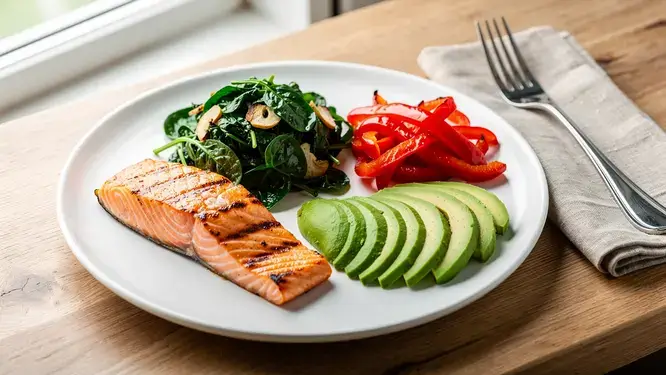
What Is the Primal Diet? Why Your Inner Caveman Might Need a Salad
Curious what is the primal diet? Discover how eating like your ancient ancestors—with a side of cheese—might energize you (and your next caveman impression).
Real-Life Fitness for Real People
Since 2024
Discover my simple guide to macro tracking for beginners and learn how to count proteins, fats, and carbs to achieve your fitness goals while enjoying your favorite foods

Macro tracking for beginners changed my nutrition game at the gym. A fellow gym-goer shared this secret weapon with me. It seemed complex at first, but soon became a game-changer for my diet.
Macro tracking for beginners goes beyond counting calories. It’s about understanding our diet’s building blocks. This approach can transform how we think about food and fitness.
Let’s explore macro tracking for beginners and break down the basics. It’s simpler than you might expect. This powerful tool can help anyone improve their nutrition.
Macronutrients are essential for our diet. They give us energy and help our bodies work. The three main types are protein, carbohydrates, and fats.
Protein helps muscles grow and heal. The daily recommended amount is 0.36 grams per pound of body weight. A 150-pound person needs about 54 grams each day.
Athletes might need more protein. They may require up to 1.6 grams per kilogram of body weight.
Carbs fuel our bodies, especially during tough workouts. Experts suggest 45-65% of daily calories should come from carbs. They help keep muscles strong and restore energy after exercise.
Fats are key for making hormones and absorbing nutrients. They provide 9 calories per gram, more than protein or carbs. Healthy fats may lower risks of heart disease and cancer.
| Macronutrient | Calories per gram | AMDR (% of daily calories) | Key Functions |
|---|---|---|---|
| Protein | 4 | 10-35% | Muscle repair, enzyme production |
| Carbohydrates | 4 | 45-65% | Energy, brain function |
| Fats | 9 | 20-35% | Hormone production, nutrient absorption |
Knowing how macronutrients work helps create a balanced diet. Your needs may change based on your activity and health goals.
Tracking macros offers a more comprehensive approach to nutrition than counting calories. It helps understand the science behind energy balance. This method provides deeper insights into your diet’s composition.
Energy balance is key to weight management. Cutting 500 calories daily can lead to about 1 pound of weight loss weekly.
The 2020-2025 Dietary Guidelines recommend specific percentages for each macronutrient. They suggest 45-65% of calories from carbs, 20-35% from fats, and 10-35% from protein.
Macro tracking helps optimize body composition and performance. For a 2,000 calorie diet with 60% carbs, you’d need 300 grams of carbohydrates.
This precision allows for better muscle growth and fat loss. A study of 21,942 patients showed macro-focused diets improved cardiovascular health.
Tracking macros encourages smarter food choices. It reveals potential imbalances in your diet, like over-consuming protein while neglecting carbs.
This awareness helps you make adjustments for better overall nutrition. It supports your health and fitness goals more effectively than calorie counting.
| Macronutrient | Calories per gram | Recommended % of daily calories |
|---|---|---|
| Carbohydrates | 4 | 45-65% |
| Protein | 4 | 10-35% |
| Fat | 9 | 20-35% |
Macro tracking can be simple with the right tools. Proper tools make a big difference in reaching nutrition goals. Let’s explore some essential resources for beginners.
A reliable food scale is crucial for precise macro tracking. It helps measure portions accurately, avoiding intake errors. Choose a scale that measures in grams for best results.
Tracking apps are game-changers for macro counting. MyFitnessPal has a huge database of over 11 million foods. Macros First lets you set targets for individual meals.
Cronometer tracks over 60 nutrients, ideal for micronutrient enthusiasts. These apps make macro tracking easier and more efficient.
Effective meal planning is key to consistent macro tracking. Use templates to plan meals in advance. Many tracking apps offer meal planning features.
| App | Database Size | Unique Features |
|---|---|---|
| MyFitnessPal | 11+ million foods | Device integration |
| Macros First | Large database | Per-meal macro targets |
| Cronometer | Smaller, verified database | 60+ nutrient tracking |
Consistency is key in macro tracking. These tools will help you start your nutrition journey. Stay committed and watch your health improve over time.

Let’s dive into setting up your personal macro goals. These goals are vital for successful nutrition planning. We’ll start by understanding your body’s energy needs.
First, figure out your Resting Energy Expenditure (REE). This is how many calories your body burns at rest. Then, add your activity level to find your Total Daily Energy Expenditure (TDEE).
Here’s a quick look at macronutrients and their calorie values:
For a balanced diet, try this macronutrient ratio:
Let’s say your TDEE is 2000 calories. Using this ratio, your macro goals would be:
These are just starting points. You can adjust your macro goals as needed. For muscle gain, eat more protein. For weight loss, eat fewer calories.
Tracking your food is key. Use food scales and apps to log your meals. This helps you meet your goals and make smart food choices.
Macro tracking can be tricky at first. Let’s look at common mistakes and how to avoid them. This will help you get better results.
Getting portion sizes right is tough. Eyeballing can lead to big errors. A digital food scale is a game-changer. It helps you measure food accurately.
This tool prevents overeating or undereating. It keeps you on track with your weight goals.

Hidden macros in sauces and oils can mess up your tracking. A tablespoon of olive oil has 120 calories! Always count these when logging meals.
These small details make a big difference. They affect your overall macro balance.
Consistency is vital for macro tracking. Skipping days or forgetting snacks leads to wrong data. Plan meals ahead and set reminders to log food.
This habit helps you stay on track. It lets you hit your macro targets regularly.
Macro tracking gets easier with practice. Don’t worry if you make mistakes. Learn from them and keep going. Soon, you’ll master balancing your macros.
Macro tracking can transform your healthy lifestyle. It gives you insights into what you eat and how it affects your body. By focusing on protein, carbohydrates, and fats, you’ll understand your diet’s composition better.
Protein should be 10-35% of your daily calories. Carbs should be 45-65%, and fats 20-35%. These ranges allow for personalized plans tailored to your goals. Food scales and apps like MyFitnessPal make tracking easier.
Be patient as you start macro tracking. It’s a skill that improves with practice. Begin by tracking one meal a day. Gradually build up from there.
Check your energy levels and well-being regularly. This will help you adjust your macros as needed. Over time, you’ll become more aware of portion sizes and food quality.
Macro tracking is a tool for long-term health. It helps you balance your nutrients for a sustainable lifestyle. Take the first step today. Learn more about your nutrition. Your future self will thank you!
Curious what is the primal diet? Discover how eating like your ancient ancestors—with a side of cheese—might energize you (and your next caveman impression).
Curious about the zero starch diet? Learn what you can actually eat, how to avoid salad boredom, and why potatoes are definitely not invited to this party.
A beginner swim workout turns splashing around into smart, safe exercise—even if your best stroke is “try not to panic.” Learn to swim with confidence (and laughs).