Tips
What Is the Primal Diet? Why Your Inner Caveman Might Need a Salad
Curious what is the primal diet? Discover how eating like your ancient ancestors—with a side of cheese—might energize you (and your next caveman impression).
Real-Life Fitness for Real People
Since 2024
Losing weight during perimenopause doesn’t have to feel like chasing a unicorn on a treadmill. Get savvy, science-backed tips to outwit hormones and keep your jeans happy.

If losing weight during perimenopause feels like an uphill battle, you’re not imagining it. When your hormones start shifting, the scale—and your energy levels—can feel completely unpredictable. But here’s the good news: with the right approach, you really can regain control.
Disclosure: This article contains affiliate links. We may earn a commission at no extra cost to you.
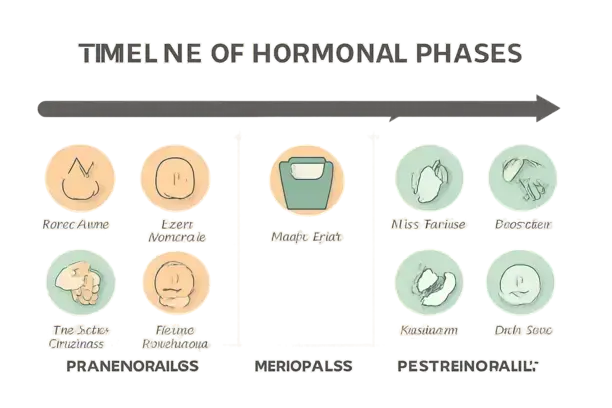
Women move through three distinct hormonal stages—perimenopause, menopause, and postmenopause—and each one brings its own challenges when it comes to weight management.
During perimenopause, weight gain tends to creep up slowly and steadily, especially around your belly. Hormone swings cause water retention, increased cravings, and stress-driven eating patterns you might not have dealt with before.
Weight loss starts to feel harder because your metabolic rate declines while appetite often climbs. The most effective counter? Building muscle through strength training—it helps offset lean mass loss and keeps your metabolism humming.
Menopause accelerates the fat redistribution process. Even women who were previously lean often notice more abdominal fat showing up. Muscle loss speeds up, and your body becomes less responsive to the diet and exercise routines that used to work. Without lifestyle adjustments, most women gain 1–2 pounds annually during this phase Source: National Institute on Aging.
Postmenopausal weight often levels off, but that doesn’t mean it becomes easier to shed. Lower estrogen levels favor fat storage over muscle growth, raising your risk for insulin resistance and metabolic syndrome. To maintain your health and keep weight gain in check, you’ll need intentional physical activity and calorie-conscious nutrition Source: Mayo Clinic.
Sudden weight gain—think 5 to 10 pounds over just a few months—coupled with fatigue, hair loss, or severe mood changes isn’t necessarily “just menopause.” It could signal thyroid or other metabolic disorders that need comprehensive medical evaluation Source: Endocrine Society.
Starting a strength training routine in late perimenopause yields especially strong benefits. As for nutrition, strategies that emphasize protein, fiber, and healthy fats work best when you begin them around menopause.
Don’t overlook the hidden factors: consistently evaluate your sleep quality, stress levels, and any medications you’re taking. These can all contribute to weight changes in subtle ways.
Structured eating patterns like the Mediterranean diet promote steady metabolic health and sustained energy. For a sustainable nutrition approach tailored to menopausal transitions, check out our perimenopause weight loss diet strategies and consider the Mediterranean Diet 30-Day Challenge for practical meal plans.
HRT is widely used to relieve menopausal symptoms, but its role in weight management is more complicated than many people realize. While it may help prevent fat from migrating toward your abdomen, studies show no consistent or significant impact on total body weight. Using HRT for weight control alone isn’t recommended.
Before starting HRT, careful screening is essential. Your doctor should evaluate your risk for hormone-sensitive cancers, blood clots, and cardiovascular disease Source: North American Menopause Society.
Regular monitoring during treatment helps manage side effects like breast tenderness or spotting. The key is to have an ongoing conversation with your healthcare provider, weighing the benefits and risks based on your unique health profile.
GLP‑1 receptor agonists like semaglutide have emerged as powerful pharmacologic options for obesity and metabolic disorders in midlife women. Clinical trials show average weight loss of 10–15% over one year, with similar effectiveness in both perimenopausal and postmenopausal women Source: New England Journal of Medicine.
That said, these treatments require long-term commitment. Weight often creeps back after you stop taking them. Candidates typically have a BMI of 30 or higher, or 27 or higher with weight-related health issues.
Before starting treatment, your doctor will run labs to check your kidney, liver, and thyroid function. Common side effects include nausea and gastrointestinal discomfort. Rare but serious risks, like pancreatitis, do exist. And here’s the catch: cost and insurance coverage vary widely, which can limit access for many people Source: CDC.
Other anti-obesity medications, like bupropion/naltrexone or phentermine/topiramate, may be considered for women who do not respond to or tolerate GLP‑1s. These medications generally promote modest weight loss and carry their own side effect profiles. Conversations with your healthcare provider are indispensable when considering medication as part of your perimenopause weight loss plan.
The bottom line? Medical options can play a role, but sustainable weight management still relies on lifestyle foundations: mindful eating, consistent exercise, stress management, and quality sleep. Before starting any new treatment, a comprehensive discussion with your provider about risks, benefits, and monitoring is essential.
To learn more about sustainable calorie-deficit strategies and practical tips, explore our guide: How Calorie Deficit Works: The Science Behind. And for nutrition plans that fit busy women over 40, see Nutrition for Women Over 40.
Ready to pair science-backed support with real-world meal plans? Try the Mediterranean Diet 30-Day Challenge for a flexible template and daily encouragement.
Finding the right approach to losing weight during perimenopause isn’t about cutting carbs to oblivion or skipping all your favorite meals. A sustainable, whole-food-focused plan can tip the scales—literally and figuratively—in your favor.
Need more variety? Browse our healthy meals made simple and favorite healthy recipes for inspiration.
Track how different foods affect your energy, mood, and sleep. Gradually experiment with reducing added sugars and swapping processed snacks for fruit, nuts, or veggies. Log your meals for a week to identify patterns.
For a personalized nutrition overhaul (that doesn’t require fancy apps or supplements), try the Mediterranean Diet 30-Day Challenge—designed for real women who want sustainable progress, not just short-term fixes.
Exercise is your strongest ally in the battle against perimenopausal weight gain—and you don’t need to spend hours at the gym to see results. Consistency trumps intensity for most women over 40.
For a beginner-friendly routine, check out our low-impact exercise tips and workouts for women over 40.
Struggling to get started? Our motivation guide, How to Get More Motivated for the Gym, offers actionable strategies for real-world obstacles.
Short on time? Try “exercise snacks”—5–10 minute bursts of movement throughout the day. Every bit counts when it comes to maintaining weight loss in perimenopause.
Ready to reset your habits with nourishing meals and simple movement? The Mediterranean Diet 30-Day Challenge combines both nutrition and movement in a doable, step-by-step format.
Weight gain during perimenopause isn’t just about food and exercise—it’s tightly bound to your stress levels, sleep quality, and social environment. Hormones like cortisol can sabotage even the best-laid plans, while poor sleep makes cravings and fatigue worse.
Prioritize getting 7–8 hours of sleep per night. Trouble sleeping? Cut back on caffeine in the afternoon, keep screens out of the bedroom, and create a bedtime wind-down ritual. Consistent sleep helps balance appetite hormones and gives your muscles time to recover.
Enlisting a friend or partner for joint goals increases your odds of sticking to healthy habits. If in-person support isn’t available, consider joining an online group or community challenge.
Progress—not perfection—is the name of the game. Expect setbacks, but focus on small wins and celebrate every improvement you make, even if the scale doesn’t budge overnight.
If you want a flexible, science-backed plan with social support, the Mediterranean Diet 30-Day Challenge offers accountability, daily guidance, and a mindset reset for navigating perimenopause and beyond.
If your weight gain is gradual and concentrated around your abdomen, along with symptoms like irregular periods, mood swings, or night sweats, perimenopause could be the culprit. However, sudden, rapid weight gain accompanied by severe fatigue or other unexplained symptoms may signal thyroid or metabolic conditions, so consult your healthcare provider for evaluation.
It is possible to lose weight during perimenopause—many women succeed by focusing on muscle-preserving exercise, a high-protein and fiber-rich diet, and by managing sleep and stress. While prevention is important, weight loss is absolutely achievable with the right strategy tailored to your body’s changing needs.
Some supplements, like vitamin D, magnesium, or omega-3s, can support overall wellness but aren’t magic bullets for fat loss. Always discuss any supplement regimen with your healthcare provider to ensure safety and effectiveness.
Curious what is the primal diet? Discover how eating like your ancient ancestors—with a side of cheese—might energize you (and your next caveman impression).
Curious about the zero starch diet? Learn what you can actually eat, how to avoid salad boredom, and why potatoes are definitely not invited to this party.
A beginner swim workout turns splashing around into smart, safe exercise—even if your best stroke is “try not to panic.” Learn to swim with confidence (and laughs).