Tips
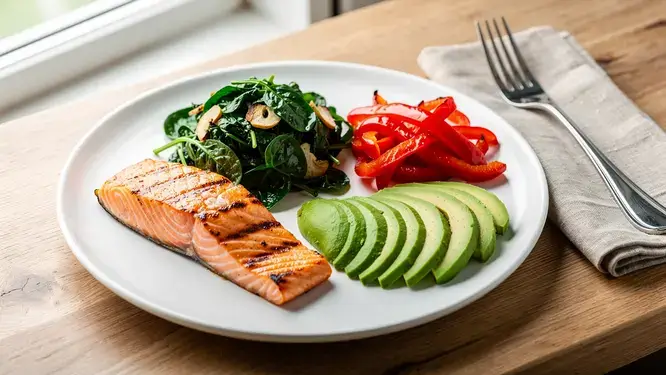
What Is the Primal Diet? Why Your Inner Caveman Might Need a Salad
Curious what is the primal diet? Discover how eating like your ancient ancestors—with a side of cheese—might energize you (and your next caveman impression).
Real-Life Fitness for Real People
Since 2024
Picture this: Sarah, a busy mom of two, sets her alarm for 5:30 a.m. to hit the gym. But when it buzzes, she hits snooze. “I’ll go tomorrow,” she mutters, pulling the blanket tighter. Sound familiar? You’re not alone. Research by University of Texas psychologist Art Markman reveals our brains often prioritize short-term comfort over …
Picture this: Sarah, a busy mom of two, sets her alarm for 5:30 a.m. to hit the gym. But when it buzzes, she hits snooze. “I’ll go tomorrow,” she mutters, pulling the blanket tighter. Sound familiar? You’re not alone. Research by University of Texas psychologist Art Markman reveals our brains often prioritize short-term comfort over long-term rewards—like skipping a workout for extra sleep.
This tug-of-war between immediate satisfaction and lasting health benefits derails even the best intentions. Gym memberships collect dust. Running shoes stay pristine. Why? Our minds crave instant gratification—like binge-watching shows instead of sweating it out. But here’s the good news: Understanding how to keep motivated to workout is your first win. With the right mindset and strategies, you can overcome these mental hurdles and build habits that stick.
This guide isn’t about quick fixes. It’s about reshaping your approach to exercise using science-backed strategies. You’ll learn to tackle common hurdles—crazy schedules, low energy, or plain boredom—and turn workouts from obligations into rituals you actually enjoy.
Ever wonder why some people stick to their workouts while others quit? The answer lies in consistent movement paired with genuine enjoyment. Motivation acts like a muscle—it strengthens when used wisely and weakens when ignored.
Regular physical activity does more than shape your body. It boosts heart health, strengthens bones, and sharpens mental focus. Think of it as compound interest for your well-being—small efforts today yield big rewards tomorrow.
Sticking to a routine creates a snowball effect. Early progress, like climbing stairs without gasping, fuels energy for tougher challenges. Over time, your body adapts, making workouts feel less like chores and more like victories.
Breaking a sweat floods your brain with mood-lifting chemicals. Studies show just 30 minutes of movement can slash stress and spark creativity. Endorphins from exercise act like nature’s antidepressants—no prescription needed.
Regular exercisers often sleep deeper and handle daily pressures better. This mental resilience spills into work, relationships, and personal goals. When movement feels joyful—not forced—it becomes a lifelong habit, not a temporary fix.
Imagine transforming your workout routine from a chore into a highlight of your day. Top trainers reveal this shift happens when strategies align with your unique psychology. Let’s explore techniques that turn sporadic efforts into lasting habits.
Certified coach Meghan Kennihan swears by tangible rewards. “Put $1 in a jar after each 30-minute session,” she advises. “Cash out monthly for massages or concert tickets.” This approach taps into our brain’s love for instant payoffs while building exercise consistency.
Experts stress personalized systems over generic plans. A teacher struggling with evening fatigue might schedule sunrise yoga. A night-shift worker could prioritize 15-minute resistance bands sessions. Structured systems beat willpower every time.
Take Mark, a father who hated gyms until he hired a running coach. Weekly trail sessions became father-daughter bonding time. Now they train for 5Ks together—proof that enjoyable movement creates natural momentum.
Research shows those with accountability partners complete 95% more workouts. Sarah, a graphic designer, credits her triathlon finish to biweekly check-ins with her trainer. “She helped me see progress when I felt stuck,” Sarah recalls. Small wins compound into life-changing results.
Most fitness plans fail before the first sweat session—not from lack of effort, but from aiming too high too fast. Clear targets beat vague wishes every time. Instead of “get stronger,” try “complete 10 push-ups by October.” This specificity turns daydreams into action plans.
Think of your fitness journey like a video game. You wouldn’t battle the final boss at level one. A marathon becomes manageable when split into weekly mileage boosts. Celebrate completing three gym sessions this week before tackling next month’s 5K.
| Goal Type | What It Means | Real-World Example |
|---|---|---|
| Process Goal | Actions you control | “Do 20-minute walks every Tuesday/Thursday” |
| Outcome Goal | End results you want | “Lose 1 pant size in 12 weeks” |
Write your targets where you’ll see them—phone lock screens or fridge notes work great. Adjust as needed. Missed two yoga classes? Shift sessions to quieter evenings. Flexibility beats rigid plans every time.
Personal trainer Lisa Johnson puts it best: “Progress photos trump scale numbers. Seeing muscle definition keeps clients going when weight plateaus.” Track what matters to you—energy levels, mood shifts, or workout consistency.
What if your workout felt like playtime? The secret to lasting fitness success lies in choosing activities that spark joy rather than dread. When movement aligns with personal interests, it stops feeling like a chore and starts feeling like a reward.

Experimentation is key. Hate running? Swap it for dance classes or outdoor cycling. Prefer solo sessions? Try resistance training or yoga flows at home. A 2023 study found people stick with exercise programs 40% longer when they genuinely enjoy the activity.
Variety keeps things fresh. Rotate between kickboxing, swimming, and hiking to engage different muscle groups. Group classes offer social energy, while nature walks provide mental clarity. The best routine adapts to your evolving preferences.
Personal trainer Jamie Cruz notes: “Clients who focus on fun outperform those chasing numbers.” Track what excites you—whether it’s mastering a new sport or feeling energized—not just pounds lost. When exercise becomes a highlight, consistency follows naturally.
Your mind holds untapped power to transform exercise from struggle to strength. Researchers discovered a game-changing approach: talking to yourself like you’d cheer up a friend boosts results more than standard pep talks.
A groundbreaking study in the European Journal of Social Psychology shows second-person self-talk works better. Instead of thinking “I need to push through,” try “You’ve got this!” This simple shift creates psychological distance, helping you handle tough workouts like a coach supporting their athlete.
Try these science-backed ways to reframe your mindset:
This mental rehearsal builds confidence before you even start moving. Pain becomes progress when you think: “Your muscles are getting stronger right now.”
Consistent positive dialogue turns exercise into a habit rather than a chore. Track not just physical changes, but how your content mindset grows. Over time, these thought patterns become automatic—your brain’s shortcut to lasting motivation.
Numbers don’t lie—they power your fitness journey. Modern gadgets turn abstract efforts into data-driven wins. Heart rate monitors and step counters reveal patterns you’d otherwise miss, like afternoon energy slumps or hidden workout strengths.

Consider this: aiming for 10,000 steps daily becomes thrilling when your watch buzzes at 9,500. Suddenly, taking the stairs feels like leveling up. Fitness apps transform routines into personalized games with achievement badges and progress charts.
Key benefits of tech integration:
One marathon trainee shared: “Seeing my weekly mileage climb on the app kept me going when motivation dipped.” Trackers create accountability without pressure—your own metrics become the coach.
Set specific targets like 150 active minutes weekly or mastering five new yoga poses monthly. Tech makes these goals tangible, turning “someday” plans into today’s achievements. When progress gets measured, progress gets mastered.
Ever notice how laughter spreads faster in a crowded room than an empty one? Social energy works the same magic in fitness. Studies show exercising with others triples adherence rates compared to solo efforts. That post-workout high feels amplified when shared—like high-fiving after crushing a tough set.
Gyms transform into playgrounds during group classes. The collective push from peers often unlocks hidden stamina. Research reveals training alongside fitter individuals can spike effort levels by 200%. “You naturally match the room’s intensity,” explains cycling instructor Dana Matthews.
Accountability becomes effortless when others expect your presence. Miss one Zumba session? Your squad notices. This gentle pressure keeps sneakers laced even on low-energy days. Bonus: varied routines prevent plateaus—today’s kickboxing, tomorrow’s water aerobics.
The right partner turns grind into groove. Look for someone with compatible schedules and goals. Maybe your neighbor wants sunrise walks, or a coworker seeks lunchtime yoga. Apps like Gymbud connect local exercisers using shared interests.
Investing money in sessions adds teeth to commitments. Prepaid packages create psychological urgency—that $25 class fee stings more than a skipped home workout. Personal trainers offer tailored plans, but even splitting a friend’s gym membership fuels mutual dedication.
“My running partner texts ‘See you at 6’—suddenly bailing feels like letting down my team.”
Routine kills more fitness plans than missed workouts ever could. Our brains crave novelty—a biological need that turns repetitive exercises into motivation killers. Swap treadmill runs for weekend hikes or replace weight sessions with rock climbing. Fresh challenges spark new excitement.
Seasonal activity rotations work wonders. Try paddleboarding in summer, leaf-peeping walks in fall, and indoor cycling during winter storms. This natural rhythm aligns with weather changes while preventing exercise monotony. Apps like ClassPass make experimenting easy with trial memberships at various studios.
Mix intensities for sustained progress. Alternate high-energy kickboxing with restorative yoga flows. Studies show varied training boosts adherence by 34% compared to static routines. Muscle confusion isn’t just for bodybuilders—it keeps everyday exercisers engaged.
Track your enjoyment levels weekly. Favorite activity losing its spark? Time to explore new options. Consistency thrives when movement feels like discovery, not duty. Keep that fire alive—your future energized self will thank you.
Curious what is the primal diet? Discover how eating like your ancient ancestors—with a side of cheese—might energize you (and your next caveman impression).
Curious about the zero starch diet? Learn what you can actually eat, how to avoid salad boredom, and why potatoes are definitely not invited to this party.
A beginner swim workout turns splashing around into smart, safe exercise—even if your best stroke is “try not to panic.” Learn to swim with confidence (and laughs).