Tips
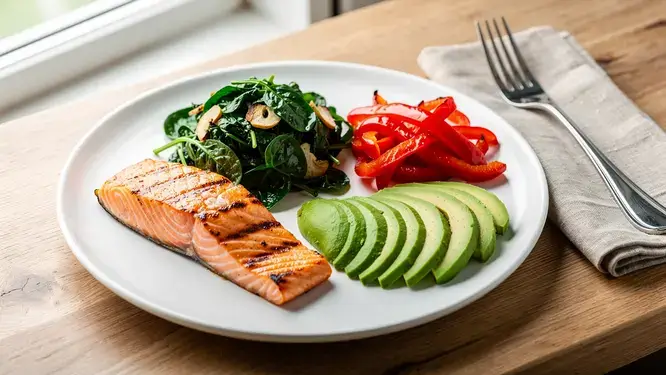
What Is the Primal Diet? Why Your Inner Caveman Might Need a Salad
Curious what is the primal diet? Discover how eating like your ancient ancestors—with a side of cheese—might energize you (and your next caveman impression).
Real-Life Fitness for Real People
Since 2024
As a parent, how to have a healthy diet for kids is a question that often comes up—ensuring your child eats a balanced diet can feel like an uphill battle. Between picky eaters and busy schedules, it’s easy to let convenience take over. However, healthy eating is crucial for your child’s growth and development. It’s …

As a parent, how to have a healthy diet for kids is a question that often comes up—ensuring your child eats a balanced diet can feel like an uphill battle. Between picky eaters and busy schedules, it’s easy to let convenience take over. However, healthy eating is crucial for your child’s growth and development. It’s about more than just meals; it’s about setting the foundation for a lifetime of well-being.
Research from healthdirect and Harvard’s Kid’s Healthy Eating Plate highlights the importance of a diverse diet. Including a variety of foods like fruits, vegetables, grains, proteins, and dairy ensures your child gets all the necessary nutrients. This guide will provide you with practical tips and creative strategies to make mealtime both enjoyable and nutritious.
By modeling healthy habits and offering a range of options, you can help your child develop a positive relationship with food. Learning how to have a healthy diet for kids involves patience, consistency, and making informed choices that support their overall health and energy levels.
Ensuring your child eats a balanced diet is one of the most important decisions you can make as a parent. It’s about providing the right fuel for their growing bodies and minds. A balanced diet is more than just avoiding unhealthy foods—it’s about creating a foundation for lifelong wellness.
A balanced diet is made up of foods from five key groups: fruits, vegetables, grains, proteins, and dairy. Each group plays a vital role in your child’s development. Fruits and vegetables are packed with vitamins and minerals, while whole grains provide sustained energy. Proteins are essential for growth, and dairy supports strong bones and teeth.
Healthy food choices directly impact your child’s energy levels and ability to concentrate. A diet rich in fruits, vegetables, and whole grains helps support physical activity and overall health. Protein is crucial for muscle growth, and nutrient-dense meals help build a strong immune system. According to healthdirect, regular mealtimes and proper hydration also play a significant role in maintaining energy levels and focus.
Healthy eating isn’t about depriving your child of treats but about balance and variety. By offering a wide range of nutrient-rich foods, you can help your child develop a positive relationship with eating. This approach not only supports their physical and mental development but also reduces the risk of chronic diseases later in life.
Creating a well-rounded meal plan for your child involves understanding the essential food groups and portion sizes. A balanced diet ensures they receive all the necessary nutrients for growth and energy.
The foundation of a balanced diet includes five main groups: grains, vegetables, fruits, proteins, and dairy. Grains provide sustained energy, while vegetables and fruits are rich in vitamins and minerals. Dairy, such as milk, supports bone health, and proteins like beans and lean meats aid in muscle development.
Serving sizes vary by age to meet nutritional needs. Here’s a guide to help you plan meals effectively:
| Food Group | Ages 4-8 | Ages 9-13 |
|---|---|---|
| Grains | 3-5 servings | 5-6 servings |
| Vegetables | 1.5-2 cups | 2-2.5 cups |
| Fruits | 1-1.5 cups | 1.5-2 cups |
| Proteins | 3-5 ounces | 5-6 ounces |
| Dairy | 2-3 cups | 3 cups |
Limiting added sugar is crucial for maintaining a balanced diet. Opt for natural sugars found in fruits and dairy instead of sugary snacks.
“A diet rich in variety ensures your child gets all the necessary nutrients for optimal growth.”
By focusing on these components, you can help your child develop healthy eating habits that will last a lifetime.
Planning nutritious meals and snacks is essential for maintaining a balanced diet. By organizing meals ahead of time, you can ensure your child gets a variety of flavors and nutrients.
A well-structured meal plan combines ingredients from all five food groups. Start by listing meals for the week, focusing on different proteins, whole grains, and colorful vegetables. For snacks, consider options like fruits or yogurt to keep things simple and nutritious.
Involving the family in meal preparation can make the process fun and educational. Let your child help with grocery shopping or cooking simple dishes. This not only teaches them about food but also encourages them to try new things.
Make mealtime engaging by scheduling themed dinner nights or interactive cooking sessions. These activities create a sense of togetherness and make healthy eating more enjoyable. Consistent routines help reduce the temptation of fast food and processed snacks.
By focusing on variety and family involvement, you can create a positive environment that supports healthy eating habits for years to come.
Creating a nurturing environment for healthy eating is simpler than you think. By setting clear routines and making mealtime enjoyable, you can help your child develop positive eating habits that last a lifetime.
Consistent meal and snack times help children understand when it’s time to eat. I like to plan our meals for the week, which keeps things organized and ensures variety. Having a structured schedule also reduces the likelihood of reaching for unhealthy snacks.
Presenting food in an engaging way can make a big difference. I love getting creative with how I serve meals, whether it’s colorful plates or fun shapes. This approach makes eating more exciting for kids.

By combining structure with creativity, you can help your child develop a positive relationship with food. These habits not only support their growth but also set the stage for a lifetime of healthy choices.
Managing food allergies and dietary restrictions can be challenging, but with the right approach, your child can still enjoy a balanced and nutritious diet. According to Healthdirect, recognizing the signs of food allergies early on is crucial for maintaining your child’s overall health and development.
Common food allergies in children often involve peanuts, milk, shellfish, and tree nuts. Symptoms can range from mild rashes to severe reactions like anaphylaxis, which requires immediate medical attention. If you notice persistent issues after eating certain foods, it’s important to consult a healthcare professional for proper diagnosis.
Doctors and dietitians play a vital role in managing food allergies. They can help create a personalized meal plan that avoids allergens while ensuring your child gets all the necessary nutrients. For instance, swapping higher saturated fats for lean meat options can support their growth without triggering allergies.
Early intervention, such as introducing peanuts to high-risk infants, can significantly reduce allergy development, as shown in the LEAP study.
By adjusting meal plans to avoid saturated fats and incorporating nutrient-dense products, you can ensure your child’s diet remains balanced and safe. Regular monitoring and open communication with healthcare providers are key to supporting their health and development.
Introducing new foods to your child can be a fun and creative process. Patience and consistency are key when helping your child explore different flavors and textures. Research shows that repeated exposure and pairing unfamiliar foods with familiar ones can significantly increase acceptance. This approach makes mealtime more enjoyable and encourages a diverse diet.
Children often need multiple tries before they accept a new food. Studies suggest that it can take up to 15 exposures for a child to decide if they like something. Start by offering small portions to reduce intimidation. For example, try placing a few peas or a small slice of apple on their plate. Over time, gradually increase the serving size as they become more comfortable.
Combining new foods with ones your child already enjoys can make the transition smoother. For instance, serve steamed broccoli with a side of cheese sauce. This method allows your child to experience the new food in a comfortable way. You can also mix finely chopped vegetables like spinach into familiar dishes like pasta or omelets.

Keeping mealtime pressure-free is essential. Allow your child to decide their own pace without forcing them to finish everything on their plate. Engaging them in the process, whether through cooking or grocery shopping, can also foster a sense of ownership and curiosity about new foods.
By combining these strategies, you can help your child develop a more adventurous palate and a positive relationship with eating. Remember, every small step counts, and celebrating their progress, no matter how minor, can encourage continued exploration of new foods.
Just as a balanced diet is essential for your child’s growth, regular physical activity and proper hydration are equally important. These elements work together to support energy levels, overall health, and development.
Physical activity plays a vital role in maintaining a healthy lifestyle. School-age children should aim for at least one hour of moderate to vigorous physical activity daily, while preschoolers need around three hours of active play. This can include running, dancing, or even simple games like tag. Staying active not only helps with physical growth but also improves mental well-being and concentration.
Water is the best choice for staying hydrated. It supports bodily functions and maintains energy levels without adding unnecessary sugars. Encourage your child to drink water throughout the day, perhaps by making it more appealing with slices of lemon or lime. Limit sugary beverages to special occasions to promote healthier habits.
Regular hydration and active play are key to a child’s overall health and development.
By combining regular physical activity with mindful hydration, you set the stage for a lifetime of wellness. These habits not only support growth but also foster a positive relationship with physical health.
As a parent, fostering a lifelong love for healthy eating in your child is one of the most rewarding investments you can make. By focusing on a variety of foods like fruits, vegetables, grains, proteins, and dairy, you provide the foundation for their growth and development.
Remember, it’s all about balance and creativity. Incorporate physical activity and proper hydration to support their energy levels and overall health. Simple changes, like offering colorful plates or fun shapes, can make mealtime engaging and enjoyable.
Be patient and persistent. It can take multiple exposures for your child to embrace new foods. Involve them in meal planning and cooking to spark their interest and teach them about nutrition. Celebrate small victories and adapt these strategies to your family’s unique needs.
Every consistent choice, whether in meal preparation or active play, contributes to your child’s long-term well-being. By nurturing healthy habits today, you’re securing their future health and development for years to come.
Curious what is the primal diet? Discover how eating like your ancient ancestors—with a side of cheese—might energize you (and your next caveman impression).
Curious about the zero starch diet? Learn what you can actually eat, how to avoid salad boredom, and why potatoes are definitely not invited to this party.
A beginner swim workout turns splashing around into smart, safe exercise—even if your best stroke is “try not to panic.” Learn to swim with confidence (and laughs).