
Tips
What Is the Primal Diet? Why Your Inner Caveman Might Need a Salad
Curious what is the primal diet? Discover how eating like your ancient ancestors—with a side of cheese—might energize you (and your next caveman impression).
Real-Life Fitness for Real People
Since 2024
Sarah, a 34-year-old nurse, collapsed onto her couch after a 12-hour shift. Her body ached, and her eyelids felt like weights. The last thing she wanted was to lace up her sneakers. But after weeks of skipping workouts, she committed to a 10-minute walk—just enough to say she moved. To her surprise, that short stroll …
Sarah, a 34-year-old nurse, collapsed onto her couch after a 12-hour shift. Her body ached, and her eyelids felt like weights. The last thing she wanted was to lace up her sneakers. But after weeks of skipping workouts, she committed to a 10-minute walk—just enough to say she moved. To her surprise, that short stroll lifted her mental fog and reignited her energy. By week three, those walks turned into jogs. “It felt like unlocking a secret,” she says.
Stories like Sarah’s are powerful reminders for anyone wondering how to get motivated to exercise when tired. The answer often lies not in waiting for energy to appear, but in starting small. Dr. Manisha Mittal, a fatigue specialist, explains this phenomenon: “Movement creates momentum. Even light activity increases blood flow, which combats exhaustion.” Studies show that 68% of people with chronic fatigue report improved stamina after adopting consistent, low-intensity routines.
Like Sarah, many find themselves trapped in a cycle: too drained to work out, yet needing movement to recharge. The solution isn’t about pushing harder—it’s about working smarter. This article shares practical, science-backed methods to break the fatigue barrier, from mindset shifts to bite-sized workouts.
Millions of Americans hit a midday wall where even blinking feels laborious. This isn’t just tiredness—it’s fatigue, a complex state where your body and mind resist movement. The Mayo Clinic defines fatigue as “a lingering lack of drive that rest doesn’t resolve,” unlike exhaustion, which typically improves with sleep.
True exhaustion stems from physical depletion, like marathon runners hitting “the wall.” Fatigue often involves mental fog and emotional resistance. A 2022 study in Psychotherapy and Psychosomatics found that 41% of participants mislabeled stress-related fatigue as physical exhaustion.
Conditions like fibromyalgia or thyroid disorders alter how the body processes energy. Research shows these illnesses can reduce cellular ATP production by up to 30%, making movement feel like wading through syrup. Yet paradoxically, exercise increases mitochondrial efficiency in these cases.
Stress acts like a battery drain on your system. Cortisol spikes from chronic tension impair glucose metabolism—your cells’ primary energy source. This explains why desk workers often feel more drained than construction crews after a day’s work.
“Movement recalibrates the stress response system,” notes Dr. Ellen Baker, a rehabilitation specialist. “Even gentle activity helps the body stop viewing exertion as a threat.”
Research reveals a surprising truth: moving your body can actually fuel it. A University of Georgia study found that low-intensity exercise reduces fatigue by 65% while boosting energy levels. Participants who walked 20 minutes daily reported better sleep and sharper focus within two weeks.
Mark, a software developer with chronic fatigue syndrome, shares: “Ten-minute yoga sessions made me functional again. I went from napping daily to cooking dinners.” His experience aligns with clinical data showing routine movement increases mitochondrial efficiency—the powerhouses of cells.
Key findings:
A Harvard Medical School trial demonstrated that 30 minutes of daily movement lifts mood as effectively as antidepressants for mild cases. Participants also scored 15% higher on memory tests.
Physical activity triggers three key brain changes:
These benefits create a ripple effect. Better mental health leads to healthier choices, while improved cognition helps manage stress—a major energy drain. As Dr. Lisa Nguyen notes: “Movement isn’t just about fitness. It’s daily maintenance for your whole system.”
Nanette Paddock, a kindergarten teacher battling lupus, discovered her breakthrough during flare-ups. “Putting on workout clothes became my first victory,” she recalls. Her physical therapist suggested starting with seated stretches—a strategy that evolved into daily walks within months.
Fitness coach Suzi Fevens emphasizes mindset shifts. “Tell yourself, ‘I’ll move for three minutes.’ Most clients surpass that once they start,” she explains. This approach helps reframe daunting tasks into manageable wins.
Research-backed tips for low-energy days:
Jason, a firefighter with shift-work disorder, uses visual cues. “I leave dumbbells by the coffee maker. Lifting them while brewing becomes automatic,” he shares. These micro-actions helped him rebuild consistency after years of failed gym memberships.
“Your brain believes what you tell it. ‘I’m too ’re tired’ becomes truth. ‘I’m recharging’ changes the game.”
– Dr. Alicia Torres, Behavioral Psychologist
These strategies work because they address fatigue’s mental barriers first. Like Nanette and Jason, many people find success through gradual attitude adjustments rather than drastic changes.
Jessica, a bookkeeper and mother of twins, discovered success through bite-sized goals. “Committing to five push-ups after diaper changes built my confidence,” she shares. This approach helped her transition from sporadic efforts to a sustainable routine.
Busy lives demand smart strategies. Start by mapping your day—identify 10-minute windows between meetings or school runs. A University of Michigan study found that three short workout sessions spread through the day boost adherence by 47% compared to hour-long gym visits.
Fitness coach Marco Reyes advises: “Treat movement like a prescription. Schedule it in your calendar as non-negotiable.” His clients report 68% better consistency when treating activity blocks like critical appointments.
While morning workouts capitalize on fresh willpower, night owls shouldn’t force dawn sessions. Track your energy patterns for a week. Notice when you naturally feel most alert—that’s your golden time for physical challenges.
Early risers gain unique advantages. Research shows morning exercisers maintain routines 33% longer than afternoon counterparts. The post-workout endorphin surge also sets a productive tone for the day.
Key principles for lasting success:
“Progress beats perfection every time. Miss a session? Do one wall sit. That’s still winning.”
– Trainer Leah Simmons
Your fitness journey doesn’t need to stop on draining days—it just needs tweaking. Personal trainer Rachel Carter shares: “Clients who adjust their plans instead of canceling maintain progress 73% longer.” This flexible approach keeps momentum alive while respecting your body’s limits.
Listen to your body like a coach giving feedback. If planned training feels overwhelming, cut it in half. A 30-minute run becomes three 10-minute walks. Yoga flows turn into seated stretches. Research shows even 5-minute movement bursts improve energy levels by 18% compared to complete rest.
Marathoner-turned-coach David Ellis advises: “Swap high-impact moves for low-intensity versions. Jumping jacks become step taps. Burpees transform into slow squats.” These swaps reduce strain while maintaining muscle engagement.
On tough days, try home-friendly activities requiring minimal effort:
Physical therapist Dr. Lena Park notes: “Modified exercises prevent burnout by reducing physical stress. Clients report 40% less fatigue when adjusting routines versus pushing through.”
Remember: Changes aren’t failures—they’re smart adaptations. As Carter emphasizes: “Consistency beats intensity every time. Showing up matters most, even if it looks different today.”
Mixing movement styles keeps your fitness journey fresh and effective. Research shows alternating between calming and intense physical activity improves adherence by 52% compared to repetitive routines. The key? Match your energy levels while challenging different muscle groups.
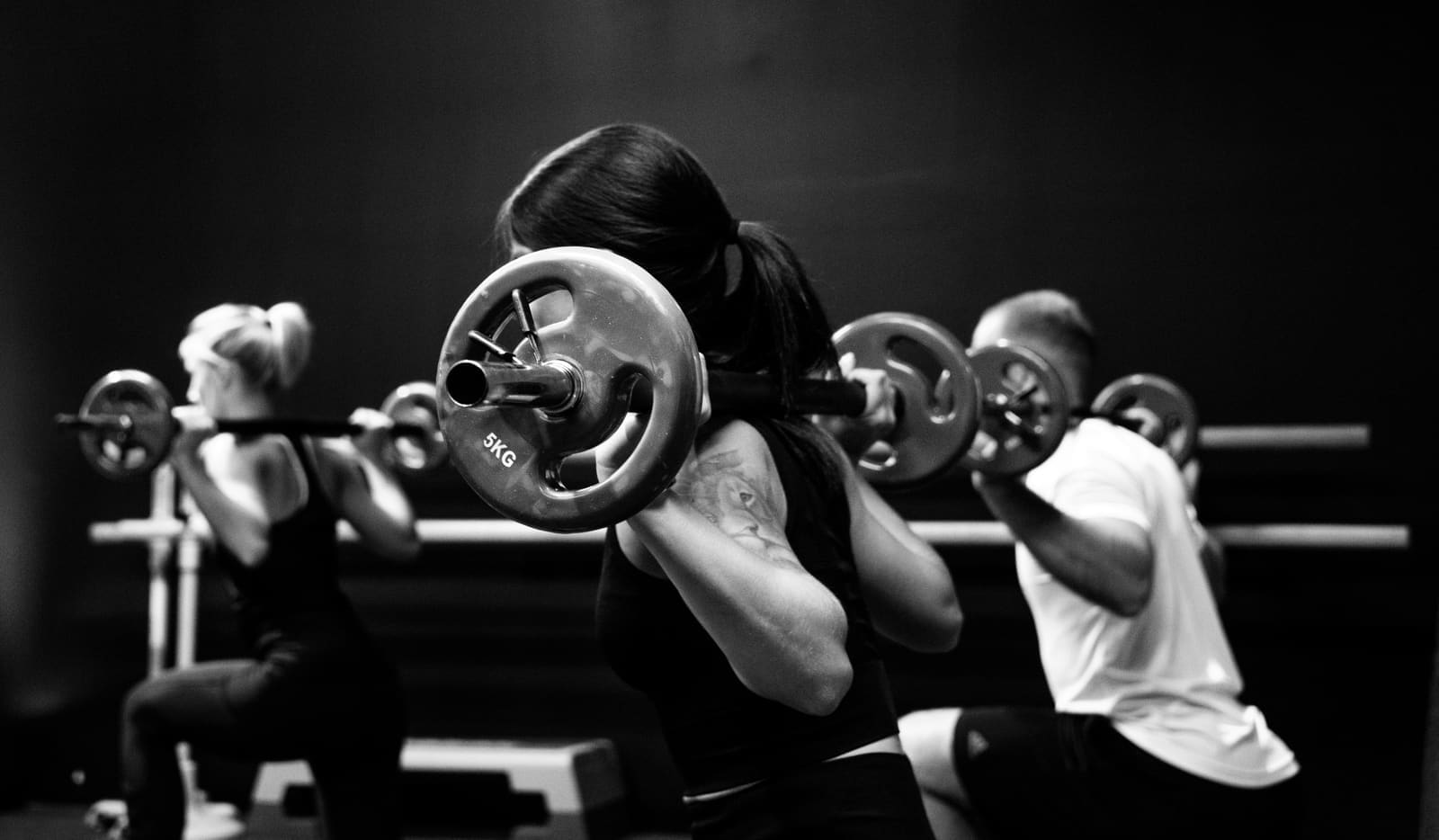
Yoga shines on low-energy days. A 2023 study found three weekly sessions reduced stress markers by 38% while improving flexibility. Try sun salutations or chair yoga—gentle flows that rejuvenate the body without strain.
Short bursts pack a punch. Try this 8-minute routine:
Fitness coach Tyler Nguyen notes: “Four Tabata rounds torch calories in less time than brewing coffee. Perfect for hectic days.”
No equipment? No problem. Bodyweight moves like planks or lunges build strength anywhere. A 10-minute morning session can boost metabolism for hours. “These exercises adapt to your energy—do them slow or speed up,” suggests trainer Rosa Martinez.
Variety isn’t just fun—it’s strategic. Rotating between yoga, HIIT, and calisthenics prevents plateaus while respecting your body’s needs. Even 15-minute sessions count toward lasting fitness gains.
Group settings transform fitness from a solo chore into a shared mission. A UCLA study found those attending gym classes stick to routines 58% longer than solo exercisers. “The energy of others pulls you forward on tough days,” says marathoner-turned-trainer Elena Cruz.
Structured sessions create built-in accountability. Yoga instructor Marcus Lee notes: “Clients rarely cancel when three people expect them.” Book club-style workout groups are rising—members meet weekly for cycling classes followed by smoothies.
| Solo Workouts | Group Sessions | Buddy System |
|---|---|---|
| 47% adherence rate | 82% adherence | 74% consistency |
| Self-paced | Instructor guidance | Mutual encouragement |
| Flexible timing | Fixed schedule | Shared goal-setting |
Local running clubs and gym challenges foster connections beyond reps. Sarah Tan, who overcame chronic fatigue through Zumba, shares: “Our group chats became my cheer squad. We celebrated every small win.”
Three ways to cultivate your fitness tribe:
“The benefits exercise offers multiply when shared. Laughter during lunges makes the burn worthwhile.”
– Dr. Priya Kapoor, Social Wellness Researcher
Smart tech turns half-hearted attempts into lasting habits. A Johns Hopkins study found app users complete 84% more workouts than non-users. These tools bridge the gap between intention and action through clever nudges.
Top apps like MyFitnessPal use behavioral psychology to drive results. Features that make a difference:
Personal trainer Lila Chen observes: “Clients using reminder tools report 60% fewer skipped sessions. The ping becomes a non-negotiable prompt.”
Wearables transform vague efforts into measurable wins. Devices like Fitbit track two game-changers:
| Device | Key Feature | Motivation Boost |
|---|---|---|
| Apple Watch | Stand reminders | 34% more daily steps |
| Whoop Strap | Recovery scores | 27% better routine adherence |
| Garmin | Body battery | 41% smarter rest decisions |
Research shows seeing real-time energy expenditure data activates the brain‘s reward centers. This creates a positive feedback loop—each tracked session fuels the next. As tech innovator Raj Patel notes: “Numbers don’t lie. Watching progress unfold builds unstoppable momentum.”
Tuning into your body’s whispers prevents burnout’s roar. Sports physiologist Dr. Cara Lin explains: “Pain that lingers past 48 hours or disrupts sleep signals overload. Soreness that fades with movement? That’s growth.” Recognizing these differences keeps your routine sustainable.

Beneficial stress feels like muscle warmth after gardening. Overtraining? Think joint stiffness or unshakable grogginess. Track these markers:
Data reveals athletes who heed these cues reduce injury risk by 62%. “Three consecutive low-energy days mean dial back intensity,” advises trainer Vince Carter. Swap sprints for walks until vigor returns.
Restorative sleep fuels recovery more than extra rest days. Studies show deep sleep stages repair tissues 40% faster. Prioritize 7-9 hours nightly—especially after strenuous workouts.
“Sleep isn’t just downtime—it’s when your body rebuilds,”
– Dr. Nina Patel, Sports Medicine Specialist
Balance active and recovery days using the 80/20 rule: 80% moderate effort, 20% challenging. This approach maintains energy levels while building strength over time. Remember—progress thrives on smart pacing, not constant pushing.
Busy schedules demand smart movement strategies. A 20-minute stair climb burns as many calories as a 45-minute walk, according to Harvard Health. These workouts fit seamlessly between meetings or childcare duties.
Short bursts of activity keep energy flowing. Try these exercises:
Fitness coach Amanda Lee shares: “Three 7-minute sessions spread through the day improve circulation better than one long gym workout.” Her clients report 22% more strength after six weeks of micro-training.
| Workout | Steps | Duration | Benefits |
|---|---|---|---|
| Stair Climbing | 5 flights x 4 sets | 12 minutes | Boosts heart health |
| Power Walk | Brisk pace + arm swings | 15 minutes | Enhances mental clarity |
| Bodyweight Circuit | 10 squats, 5 push-ups, 1-min plank | 8 minutes | Builds core strength |
Office workers like Mark Teller use stairwells for midday workouts. “Climbing 10 floors takes 4 minutes. I do three rounds—it’s like an energy espresso,” he says. Studies show stair routines increase leg strength 31% faster than flat-ground walking.
“Consistent 15-minute sessions spark greater metabolic changes than sporadic hour-long workouts.”
– Journal of Sports Science
Pair movement with daily tasks. Unload groceries one bag at a time for extra steps. Do calf raises while brushing teeth. These small exercises compound into real strength gains over hours and days.
Your brain holds surprising power to override fatigue’s grip. A 2023 Journal of Behavioral Medicine study found participants using mental strategies completed 42% more workouts during high-stress periods than those relying on willpower alone. The secret? Reprogramming thought patterns to fuel action.
Replace “I can’t” with “I choose to.” Simple phrases like “Movement energizes me” or “Three minutes matters” activate the brain’s reward centers. Fitness psychologist Dr. Carla Ruiz explains: “Affirmations shift focus from lack to capability. This reduces perceived effort by 22% in clinical trials.”
Effective ways to practice:
Olympic athletes use this tactic—and you can too. Close your eyes and picture completing a workout. Imagine the sweat, elevated heart rate, and post-activity glow. Research shows this mental rehearsal increases follow-through by 37%.
Pair visualization with intention-setting:
These ways rewire neural pathways, making movement feel achievable even on low-energy days. As Dr. Ruiz notes: “Your brain believes what you show it. Visualized victories become real-world habits.”
Transforming fatigue into fuel demands both science and mindset. Research confirms that small, consistent efforts—like 10-minute walks—build momentum better than sporadic intense sessions. Listening to your body’s cues while setting realistic goals creates sustainable habits.
Plan time blocks for movement and track progress with apps. Modified workouts on low-energy days prevent burnout while keeping gains intact. Social support and tech tools turn intentions into action.
The benefits outweigh temporary challenges. Reduced stress, better sleep, and mental clarity make the effort worthwhile. Three wall squats today lay the foundation for tomorrow’s progress.
Start small. Honor your body’s signals, celebrate micro-wins, and let each step strengthen resolve. Your fittest self begins with one mindful movement.
Curious what is the primal diet? Discover how eating like your ancient ancestors—with a side of cheese—might energize you (and your next caveman impression).
Curious about the zero starch diet? Learn what you can actually eat, how to avoid salad boredom, and why potatoes are definitely not invited to this party.
A beginner swim workout turns splashing around into smart, safe exercise—even if your best stroke is “try not to panic.” Learn to swim with confidence (and laughs).