Tips
What Is the Primal Diet? Why Your Inner Caveman Might Need a Salad
Curious what is the primal diet? Discover how eating like your ancient ancestors—with a side of cheese—might energize you (and your next caveman impression).
Real-Life Fitness for Real People
Since 2024
Nina stared at her empty fridge, frustrated. After months of skipping breakfast and relying on sugary snacks, her energy levels crashed by noon. Then her friend suggested a simple shift: prioritizing protein. Within weeks, Sarah noticed fewer cravings, steadier energy, and even lost a few pounds without drastic changes. Her story isn’t unique—millions have discovered …
Nina stared at her empty fridge, frustrated. After months of skipping breakfast and relying on sugary snacks, her energy levels crashed by noon. Then her friend suggested a simple shift: prioritizing protein. Within weeks, Sarah noticed fewer cravings, steadier energy, and even lost a few pounds without drastic changes. Her story isn’t unique—millions have discovered the power of this nutrient to transform their health.
If you’ve been wondering how to follow a high protein diet, the good news is that it doesn’t require expensive supplements or complex meal plans. Protein isn’t just for bodybuilders. The Dietary Guidelines for Americans recommend at least 46 grams daily for women and 56 grams for men, but many fall short. Research shows higher intake—around 1.2–2 grams per kilogram of body weight—supports weight management, muscle repair, and metabolic health. Unlike carbs or fats, it keeps you fuller longer while fueling essential bodily functions.
This approach isn’t about bland chicken breasts or chalky shakes. With smart planning, you can enjoy diverse meals that align with your lifestyle. Whether your goal is shedding pounds, boosting fitness results, or simply feeling better, understanding protein’s role is the first step toward lasting change.
Every cell in your body relies on a nutrient that’s often misunderstood: protein. This macronutrient partners with carbs and fats to fuel your system, but its role goes deeper. Unlike other nutrients, it supplies amino acids—nine of which your body can’t make on its own.
This eating style emphasizes increased protein consumption while balancing carbs and fats. It’s not about eliminating food groups but prioritizing nutrient-dense choices. For example, swapping cereal for eggs at breakfast or adding lentils to a salad boosts daily intake without drastic changes.
| Protein Type | Amino Acid Profile | Examples |
|---|---|---|
| Complete | All 9 essentials | Salmon, eggs, Greek yogurt |
| Incomplete | Missing 1+ essentials | Beans, quinoa, almonds |
Protein’s magic lies in its satiety power. Studies show it keeps hunger at bay longer than carbs or fats. A 2023 report noted, “Meals rich in lean proteins reduce snack cravings by up to 60% compared to high-carb options.”
Needs vary widely. Active adults might require 0.7 grams per pound, while others thrive on less. Plant-based eaters can mix foods like rice and beans to create complete amino acid profiles. Balance is key—no single source fits all.
Your body works harder when eating protein-rich foods, burning energy even during digestion. This nutrient’s impact extends beyond basic nutrition, influencing hunger signals and long-term metabolic health. Emerging research reveals surprising advantages for those making it a meal priority.
Protein triggers a powerful hormonal response. PYY and GLP-1 hormones increase feelings of fullness, while ghrelin (the “hunger hormone”) decreases. A 2023 study found participants consuming 30% of calories from protein snacked 40% less than low-protein groups.
“Meals rich in quality proteins create a sustained satiety effect unmatched by other nutrients.”
The thermic effect amplifies these benefits. Your system uses 20-30% of protein calories just to process them—triple the energy needed for carbs or fats. This metabolic boost supports healthy weight management without extreme restrictions.
| Nutrient | Thermic Effect | Calorie Impact |
|---|---|---|
| Protein | 20-30% | Burns 100-150 calories per 500 consumed |
| Carbohydrates | 5-10% | 25-50 calories burned |
| Fats | 0-3% | 0-15 calories burned |
Preserving muscle becomes crucial during calorie deficits. Adequate intake prevents the 25% muscle loss typical in standard weight loss plans. More muscle means higher resting metabolism—your body burns extra calories daily, even during sleep.
Age-related muscle decline slows significantly with proper protein consumption. Combined with resistance training, it maintains strength and bone density. Additional perks include faster recovery post-workout and improved healing from injuries.
These effects compound over time. A 10% increase in resting metabolic rate translates to burning an extra 100-150 daily calories—equivalent to walking 1.5 miles without moving.
Variety keeps meals exciting while meeting nutritional goals. Animal and plant proteins each offer unique benefits, making them valuable components of a balanced eating plan. Let’s explore options that cater to different preferences and lifestyles.
Complete proteins contain all nine essential amino acids your body needs. Lean cuts like chicken breast, turkey, and bison deliver high-quality nutrition with fewer calories. Eggs and low-fat dairy products like Greek yogurt also shine here—one large egg packs 6 grams of protein, while a cup of cottage cheese offers 28 grams.
Fish like salmon and tuna add omega-3 fatty acids to the mix. These options work particularly well for those seeking maximum bioavailability—the ease with which your body absorbs nutrients.
Legumes, lentils, and tofu provide versatile foundations for meat-free meals. While most plant sources lack one or two essential amino acids, strategic pairings solve this. Combine rice with beans or hummus with whole-grain pita to create complete protein profiles.
Quinoa and soy products stand out as exceptions—they’re complete on their own. Almonds and chia seeds add crunch and nutrition to snacks. For calorie-conscious choices, prioritize options like edamame (17g protein per cup) or tempeh (21g per serving).
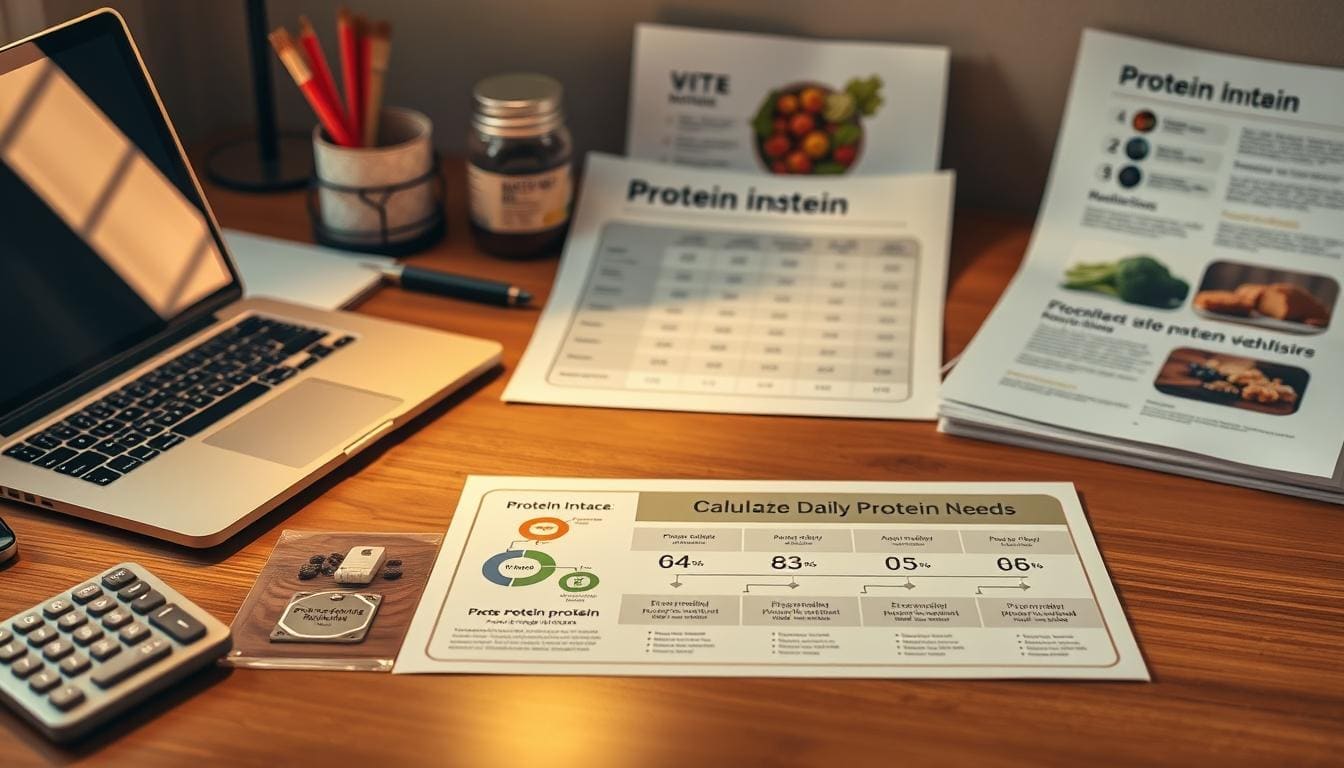
Many people underestimate their nutritional requirements by relying on outdated guidelines. The Recommended Dietary Allowance (RDA) of 0.8 grams per kilogram provides only a survival threshold—optimal health demands more precise calculations.
Your lifestyle directly impacts protein needs. Sedentary adults thrive on 1.2 grams per kilogram, while athletes might require up to 2 grams. For a 150-pound individual (68 kg), this translates to 82-136 grams daily.
| Activity Level | Protein Range | Daily Example |
|---|---|---|
| Light Exercise | 1.2-1.4g/kg | 82-95g |
| Strength Training | 1.6-1.8g/kg | 109-122g |
| Endurance Athlete | 2.0g/kg | 136g |
Special circumstances alter these targets. Pregnancy increases needs by 25 grams daily, while aging adults require 1.2-1.5 grams to combat muscle loss. Recovery from injuries often necessitates 15-20% higher intake.
Track progress monthly. If building lean mass, aim for the higher end of your range. For weight loss, prioritize protein to preserve metabolism-boosting muscle. Adjustments ensure nutrition evolves with your goals.
Starting a protein-focused eating routine doesn’t require perfection—just smart systems. Begin by tracking your intake with apps like MyFitnessPal or a simple notebook. Studies show people who monitor consumption achieve goals 30% faster than those who don’t.
Weekly meal prep prevents last-minute choices. Design menus mixing animal and plant sources—grilled chicken with quinoa or black bean tacos with Greek yogurt sauce. Breakfast sets the tone: scrambled eggs or oatmeal with peanut butter deliver morning fuel.
“Consistency beats perfection every time when building new habits,” notes nutritionist Dr. Emily Torres.
Distribute intake evenly across meals. This table shows a sample day for a 150-pound active adult:
| Meal Time | Protein Source | Grams |
|---|---|---|
| Breakfast | Greek yogurt + almonds | 22g |
| Lunch | Grilled salmon + lentils | 34g |
| Snack | Hard-boiled eggs | 12g |
| Dinner | Turkey chili | 28g |
Batch-cook staples like shredded chicken or roasted chickpeas for grab-and-go options. Transition gradually—add 10-15 grams daily over two weeks. Pair changes with hydration and fiber to ease digestion.
Remember: sustainability trumps short-term intensity. Small, consistent shifts create lasting results without burnout.
Not all protein-rich foods deliver equal benefits. Strategic choices maximize nutrition while supporting your health goals. Let’s explore what belongs on your plate—and what’s better left on the shelf.
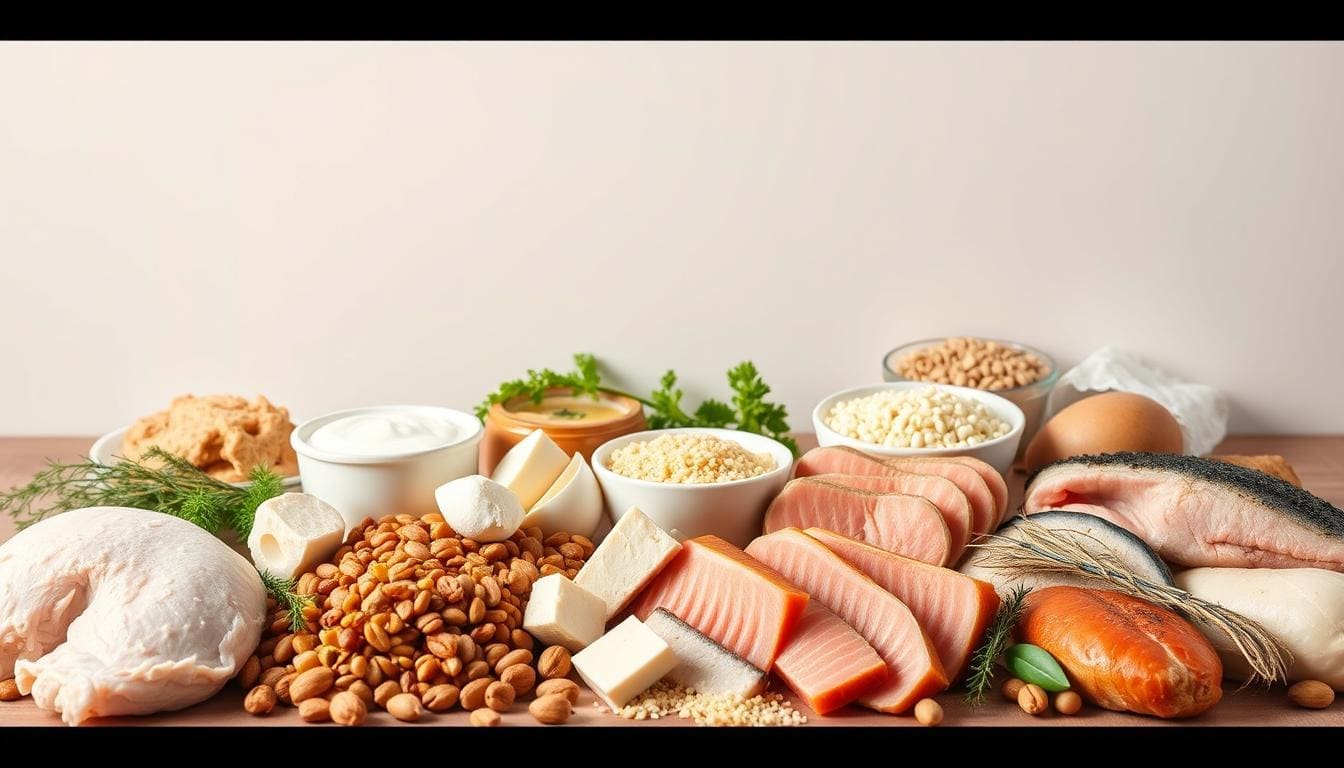
Prioritize options packed with nutrients beyond just protein. Skinless poultry, fatty fish like salmon, and pasture-raised eggs offer complete amino acid profiles with healthy fats. Plant-based stars include lentils (18g per cup) and tempeh (21g per serving).
| Protein Source | Protein per Serving | Key Nutrients |
|---|---|---|
| Chicken Breast | 26g | B vitamins, selenium |
| Black Beans | 15g | Fiber, iron |
| Greek Yogurt | 17g | Calcium, probiotics |
Processed meats like bacon and sausages often hide excessive sodium and preservatives. Fried chicken or fish add unnecessary fats—baked versions provide similar protein with fewer calories.
| Limit These | Health Risks | Better Swap |
|---|---|---|
| Sugary protein bars | Blood sugar spikes | Homemade trail mix |
| Frozen fried dinners | High blood pressure | Meal-prepped bowls |
Check labels for hidden sugars in flavored yogurts or added sodium in canned soups. The American Heart Association warns that exceeding 2,300mg daily sodium increases cardiovascular risks. Smart swaps keep meals exciting without compromising results.
Imagine opening your fridge to find perfectly portioned meals that fuel your day. Strategic planning transforms protein targets into achievable daily habits. Research shows spreading intake throughout the day boosts muscle maintenance and satisfaction better than loading up at one meal.
Aim for 25-30 grams per main meal using diverse sources. Pair grilled chicken with roasted veggies or mix quinoa into black bean salads. Balance comes from combining lean proteins with colorful produce and smart carbs like sweet potatoes.
| Meal Time | Protein Source | Grams |
|---|---|---|
| Breakfast | Cottage cheese + berries | 25g |
| Lunch | Turkey lettuce wraps | 28g |
| Dinner | Shrimp stir-fry | 30g |
Use palm-sized portions for meats and fist-sized scoops for plant proteins. Batch-cook staples like hard-boiled eggs or seasoned ground turkey for grab-and-go options. A 2024 study found those who prepped weekly meals consumed 22% more protein consistently.
Adjust portions based on activity levels. Active individuals might add an extra egg at breakfast, while others focus on fiber-rich sides. Remember: consistency matters more than perfection in building lasting habits.
Eating more protein isn’t just about building muscle—it’s a game-changer for managing hunger while cutting calories. Research reveals those prioritizing this nutrient lose 50% more fat than those focusing solely on calorie reduction. The secret lies in smart strategies that work with your body’s natural rhythms.
Protein’s appetite-taming power shines when spread evenly across meals. Aim for 25-30 grams at breakfast to reduce mid-morning cravings. A 2024 study found this approach slashed afternoon snack intake by 34% compared to low-protein mornings.
Pair lean sources with fiber-rich veggies for lasting fullness. Chicken stir-fry with broccoli or lentil soup with spinach keeps hunger hormones in check. Evening snacks like cottage cheese slow digestion, preventing late-night raids on the fridge.
Timing matters around workouts too. Consuming 20 grams before exercise boosts fat burning by 22%, per Sports Medicine journal findings. Post-session recovery shakes preserve muscle during weight loss, maintaining metabolic rates.
Balance remains crucial. While protein supports fat loss, sustainable results require varied nutrients. Track intake using apps, but don’t obsess—consistent habits beat short-term extremes every time.
Yes! Prioritizing lean meats, eggs, and legumes can boost satiety, reducing cravings. Studies suggest higher protein intake supports calorie burning and preserves muscle during weight loss. Pairing it with fiber-rich veggies enhances results.
Canned tuna, cottage cheese, and lentils offer quick, budget-friendly options. Hard-boiled eggs or Greek yogurt make easy snacks. Brands like Kirkland Signature provide cost-effective whey protein powders for shakes.
Protein requires more energy to digest, increasing thermic effect by 20-30% vs. 5-10% for carbs/fats. This metabolic boost, combined with muscle maintenance, helps sustain calorie deficits for fat loss.
Absolutely. Combining quinoa, tofu, or chickpeas with whole grains creates complete amino acid profiles. Brands like Beyond Meat offer fortified options. Pairing rice with black beans also delivers essential nutrients.
Aim for 0.36 grams per pound of body weight. For a 150-pound person, that’s ~54 grams daily. Active individuals or those building muscle may need 0.6–1 gram per pound. Track using apps like MyFitnessPal.
Avoid processed meats like bacon, sugary protein bars, and fried foods. Opt for grilled chicken over breaded tenders. Read labels—some flavored yogurts have added sugars that counteract benefits.
Rotate marinades (teriyaki, lemon-herb) for chicken or fish. Try global recipes—think curried lentils or Mexican-inspired turkey bowls. Experiment with textures: baked tofu crumbles add crunch to salads.
Spreading intake throughout the day optimizes muscle synthesis. Have 20–30 grams per meal. Post-workout, a shake with Orgain protein powder aids recovery. Bedtime casein (like cottage cheese) supports overnight repair.
Curious what is the primal diet? Discover how eating like your ancient ancestors—with a side of cheese—might energize you (and your next caveman impression).
Curious about the zero starch diet? Learn what you can actually eat, how to avoid salad boredom, and why potatoes are definitely not invited to this party.
A beginner swim workout turns splashing around into smart, safe exercise—even if your best stroke is “try not to panic.” Learn to swim with confidence (and laughs).