Tips
What Is the Primal Diet? Why Your Inner Caveman Might Need a Salad
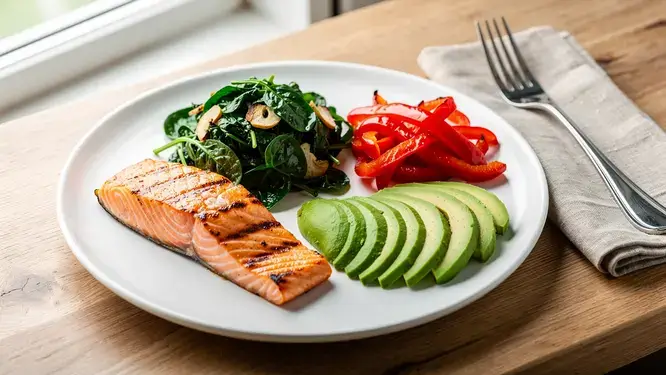
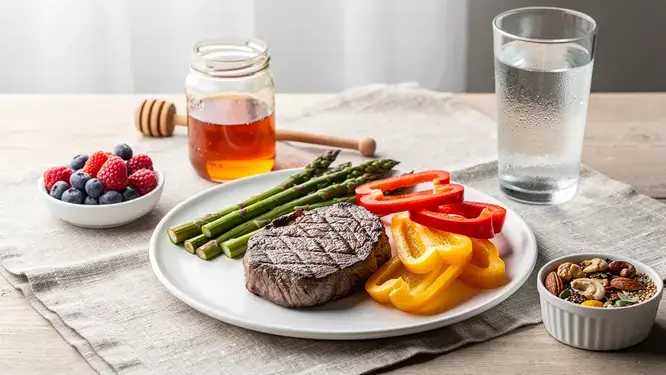
Curious what is the primal diet? Discover how eating like your ancient ancestors—with a side of cheese—might energize you (and your next caveman impression).
Real-Life Fitness for Real People
Since 2024
Maintaining healthy cholesterol levels is essential for a strong heart. Many people struggle with this, especially in today’s fast-paced world. The good news? Small changes in your daily habits can make a big difference. If you’re wondering how to eat a low cholesterol diet, the key is making mindful food choices that support heart health. …
Maintaining healthy cholesterol levels is essential for a strong heart. Many people struggle with this, especially in today’s fast-paced world. The good news? Small changes in your daily habits can make a big difference. If you’re wondering how to eat a low cholesterol diet, the key is making mindful food choices that support heart health.
Cholesterol, a waxy substance found in your blood, plays a vital role in body functions. However, too much of it can lead to serious health issues, like heart disease. By making smarter food choices, you can manage your levels effectively.
This guide offers five practical strategies to help you lower cholesterol naturally. From choosing the right fats to incorporating fiber-rich foods, these tips are backed by research and easy to follow. Even adjusting one meal a day can lead to noticeable improvements.
Ready to take control of your health? Let’s explore these simple yet powerful steps to support your heart and overall well-being.
Understanding cholesterol is the first step toward better heart health. This waxy substance is essential for building cells and producing hormones. However, too much of it can lead to serious health risks, especially for your heart.
Cholesterol is produced in the liver and travels through your blood via lipoproteins. It helps your body function properly, but an imbalance can increase the risk of heart disease. There are two main types: LDL (low-density lipoprotein) and HDL (high-density lipoprotein).
LDL, often called “bad” cholesterol, can build up in your arteries, leading to blockages. HDL, or “good” cholesterol, helps remove LDL from your bloodstream. Maintaining a balance between these two is crucial for heart health.
LDL carries cholesterol to your cells, but excess amounts can stick to artery walls. This buildup narrows the arteries, increasing the risk of heart attacks and strokes. HDL, on the other hand, acts like a scavenger, picking up excess cholesterol and taking it back to the liver for removal.
The type of fat you consume plays a significant role in these levels. Saturated fat, found in foods like butter and red meat, can raise LDL. In contrast, healthier options like olive oil, rich in unsaturated fatty acids, can improve your cholesterol profile.
Monitoring your blood lipid levels is essential. A simple test can reveal whether you’re at risk and help you make informed dietary choices. By understanding cholesterol, you can take proactive steps to protect your heart and overall well-being.
Check This:
Focusing on fat quality is a game-changer for managing cholesterol. The types of fats you consume play a significant role in your heart health. By making smarter choices, you can reduce risks and improve your overall well-being.
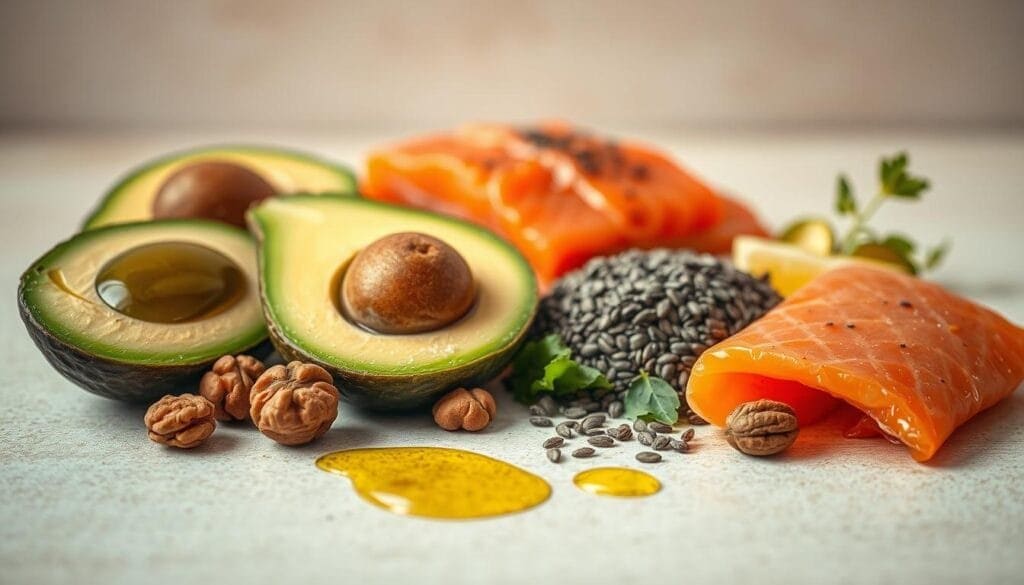
Not all fats are created equal. Saturated fat, found in foods like butter and red meat, can raise LDL levels. On the other hand, unsaturated fats, such as those in olive oil and avocados, support heart health.
Trans fat is particularly harmful. It not only increases LDL but also lowers HDL. Avoiding processed foods and reading nutrition labels can help you steer clear of this unhealthy fat.
Here’s a quick comparison of fats and their effects:
| Type of Fat | Source | Impact on Cholesterol |
|---|---|---|
| Saturated Fat | Butter, red meat | Raises LDL |
| Trans Fat | Processed foods | Raises LDL, lowers HDL |
| Unsaturated Fat | Olive oil, avocados | Improves cholesterol profile |
Keeping track of the amount of fat and cholesterol in your meals is essential. Small changes, like swapping butter for olive oil, can make a big difference over time.
Reading nutrition labels helps you identify hidden trans fat and make better choices. Opt for lean meats, fish, and plant-based proteins to reduce unhealthy fats.
Here are some practical swaps to get started:
By focusing on healthier food choices, you can take control of your cholesterol and protect your heart.
Fiber plays a crucial role in managing cholesterol levels effectively. It helps trap and remove excess cholesterol from your body, making it a key player in heart health. By adding more fiber-rich foods to your meals, you can take a proactive step toward better nutrition and overall well-being.
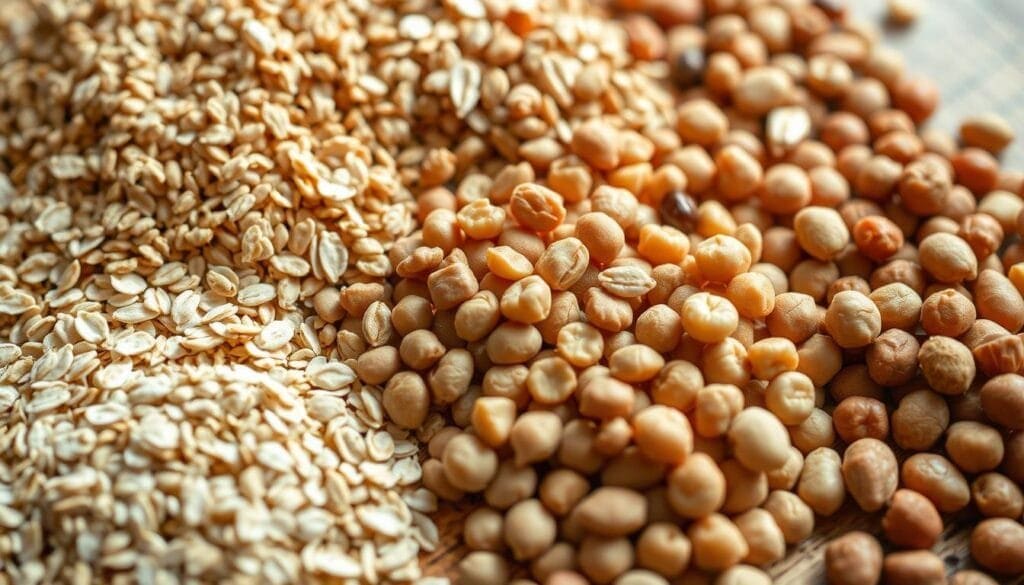
Soluble fiber is particularly effective at reducing LDL cholesterol. It binds to cholesterol in the digestive tract, preventing it from entering the bloodstream. Foods like oatmeal, apples, and beans are excellent sources of this type of fiber.
Studies show that consuming 5 to 10 grams of soluble fiber daily can significantly lower cholesterol levels. For example, a bowl of oatmeal provides about 3 to 4 grams of fiber, making it a great breakfast choice.
Whole grains, such as brown rice and quinoa, are packed with fiber and essential nutrients. They help prevent the absorption of cholesterol and fat from other foods. Including these in your diet supports long-term heart health.
Beans, lentils, and legumes are also fantastic options. They’re rich in protein and fiber, making them a versatile addition to meals. For instance, adding black beans to a salad or enjoying a lentil soup can boost your daily fiber intake.
Here are some easy ways to incorporate these foods:
By making these small changes, you can enjoy a heart-healthy diet that supports your cholesterol goals.
Healthy cooking doesn’t mean sacrificing flavor or satisfaction. With a few smart techniques, you can create meals that are both delicious and supportive of your heart health. The key lies in choosing the right ingredients and methods to minimize unhealthy fats while maximizing taste.
Swapping solid fats like butter for liquid vegetable oils is a simple yet effective change. Oils like olive oil, canola, and avocado oil are rich in unsaturated fats, which are better for your heart. These options not only reduce LDL levels but also add a rich flavor to your dishes.
When cooking meat, opt for lean cuts and trim visible fat before preparation. Removing the skin from chicken can also significantly reduce saturated fat content. Instead of frying, try grilling, broiling, or baking to keep meals healthier without compromising taste.
Enhancing flavor doesn’t require heavy sauces or added fat. Herbs, spices, and citrus juices can elevate your meals naturally. For example, a squeeze of lemon or a sprinkle of fresh herbs can transform a simple dish into something extraordinary.
Here are some seasoning ideas to try:
By making these small changes, you can reduce your risk of heart disease while enjoying flavorful, satisfying meals. Heart-healthy cooking is all about creativity and smart choices.
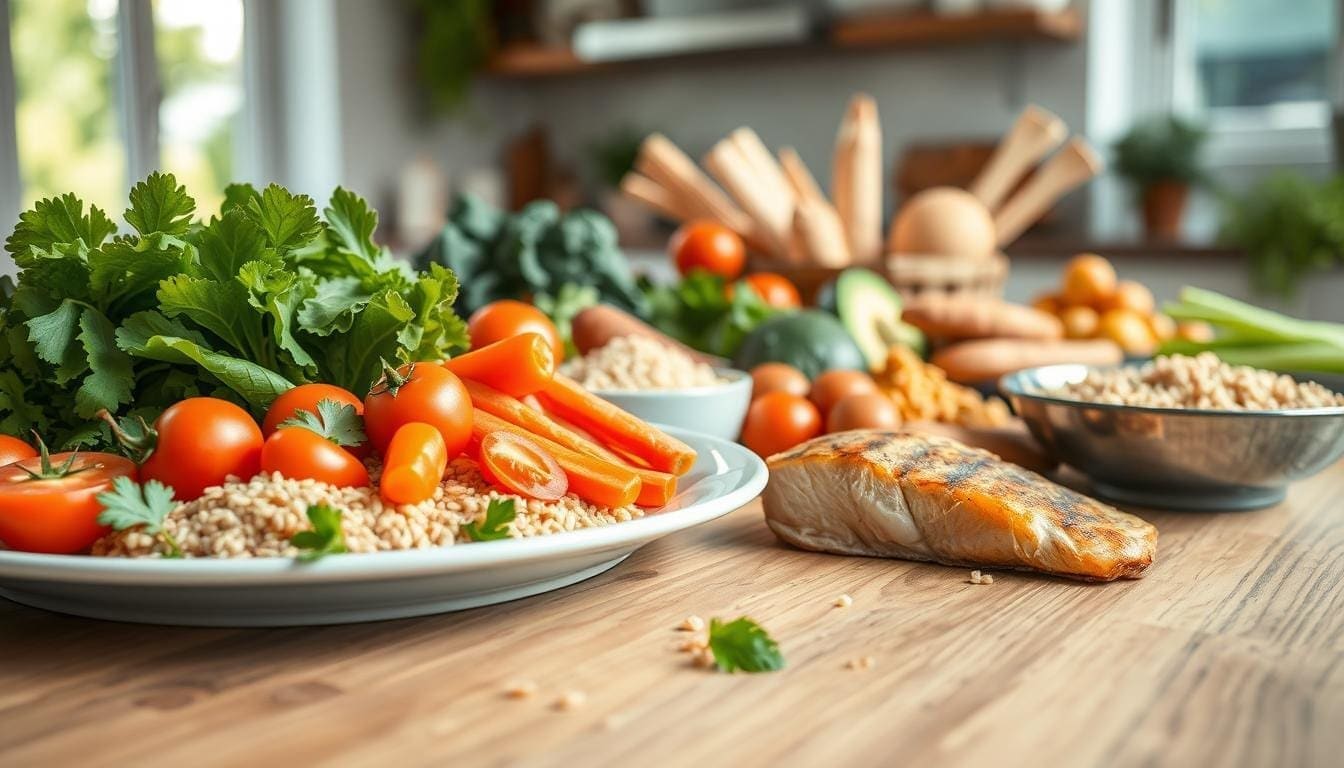
Diversifying your plate with nutrient-rich foods is a simple yet powerful way to support heart health. By incorporating a mix of colorful fruits, vegetables, and lean proteins, you can create meals that are both delicious and beneficial for your body. Variety not only keeps your meals interesting but also ensures you’re getting a wide range of essential nutrients.
Fresh fruits and vegetables are packed with vitamins, antioxidants, and fiber. These nutrients play a crucial role in maintaining overall health and reducing the risk of heart disease. For example, leafy greens like spinach and kale are rich in potassium, which helps regulate blood pressure.
Colorful options like berries, carrots, and bell peppers provide antioxidants that protect your cells from damage. Adding a variety of these foods to your meals can boost your immune system and improve digestion. “Eating the rainbow” is a simple way to ensure you’re getting a broad spectrum of nutrients.
Lean proteins, such as chicken, fish, and plant-based options, are essential for muscle repair and overall health. Fish like salmon and mackerel are excellent sources of omega-3 fatty acids, which support heart health by reducing inflammation and improving cholesterol levels.
Plant-based proteins, including beans, lentils, and nuts, are also great choices. They provide fiber and healthy fats, making them a satisfying addition to any meal. For example, adding chickpeas to a salad or snacking on almonds can keep you full and energized throughout the day.
Here are some tips for incorporating these foods into your diet:
By embracing a diverse range of foods, you can create a balanced diet that supports your heart and overall well-being. Small changes, like adding a handful of nuts to your snack or swapping processed meats for grilled fish, can make a big difference over time.
Small lifestyle adjustments can make a big difference in managing cholesterol levels. Beyond dietary changes, incorporating regular physical activity and balanced meal planning can significantly enhance your efforts. These habits work together to improve your overall health and reduce the risk of heart-related issues.
Exercise is a powerful tool for improving cholesterol levels. Activities like brisk walking, cycling, or swimming can raise HDL (good cholesterol) and lower LDL (bad cholesterol). Aim for at least 30 minutes of moderate exercise most days of the week.
Here’s a simple guide to get started:
| Activity | Duration | Benefits |
|---|---|---|
| Brisk Walking | 30 minutes | Boosts HDL, lowers LDL |
| Cycling | 20-30 minutes | Improves heart health |
| Swimming | 30 minutes | Enhances circulation |
Even small changes, like taking the stairs or walking during lunch, can add up over time.
Planning your meals ahead of time helps you make healthier choices. Start your day with a nutritious breakfast, like oatmeal with fresh fruit. This sets a positive tone for the rest of your meals.
Here are some tips for balanced meal planning:
By combining these strategies with your diet, you can create a sustainable routine that supports your goals. Every small change brings you closer to better health.
Taking control of your heart health starts with simple, impactful changes. By focusing on healthy fats like olive oil and incorporating fiber-rich foods, you can manage cholesterol levels effectively. Small adjustments, such as swapping butter for avocado or adding whole grains, make a big difference over time.
Regular physical activity and balanced meal planning are essential for long-lasting results. Activities like brisk walking or cycling improve heart function, while meals rich in fruits, vegetables, and lean proteins support overall health. These changes not only lower cholesterol but also enhance your body’s well-being.
Start today by making one small change. Whether it’s choosing a fiber-packed snack or cooking with healthier oils, every step counts. Your heart will thank you for it!
Curious what is the primal diet? Discover how eating like your ancient ancestors—with a side of cheese—might energize you (and your next caveman impression).
Curious about the zero starch diet? Learn what you can actually eat, how to avoid salad boredom, and why potatoes are definitely not invited to this party.
A beginner swim workout turns splashing around into smart, safe exercise—even if your best stroke is “try not to panic.” Learn to swim with confidence (and laughs).