Tips
What Is the Primal Diet? Why Your Inner Caveman Might Need a Salad
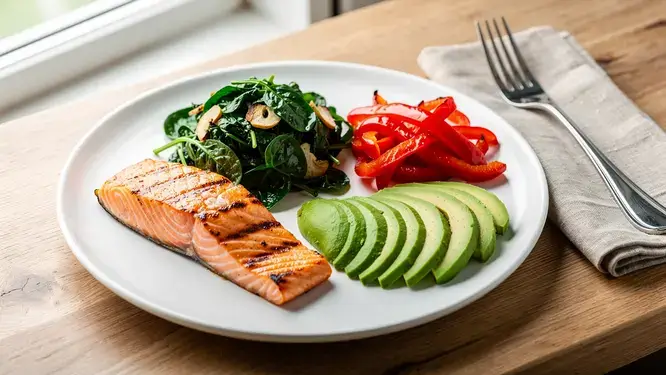
Curious what is the primal diet? Discover how eating like your ancient ancestors—with a side of cheese—might energize you (and your next caveman impression).
Real-Life Fitness for Real People
Since 2024
Meet Sarah. Like many Americans, she spent years obsessing over food labels and tracking apps, only to feel burned out by the endless math. Then something shifted. She started focusing on whole, nutrient-rich meals and listening to her body’s hunger cues. Within months, her jeans fit better, her energy soared, and—most importantly—her relationship with food …

Meet Sarah. Like many Americans, she spent years obsessing over food labels and tracking apps, only to feel burned out by the endless math. Then something shifted. She started focusing on whole, nutrient-rich meals and listening to her body’s hunger cues. Within months, her jeans fit better, her energy soared, and—most importantly—her relationship with food healed. No calculators required.
Sarah’s story isn’t unique. Research shows that sustainable weight loss often hinges on simple habit changes, not spreadsheets. Learning how to be in a caloric deficit without counting calories starts with prioritizing food quality and mindful eating. When you do that, your body naturally gravitates toward balance, making weight loss feel less like a chore and more like a lifestyle.
This approach isn’t about ignoring science. Studies, like those comparing egg-based breakfasts to carb-heavy ones, prove that not all calories behave the same in your body. By choosing filling, protein-packed options, you’ll stay satisfied longer and avoid the hunger rollercoaster.
Ready to ditch the counting chaos? Below, we’ll break down practical, stress-free methods to support your goals. From portion tweaks to hunger hacks, these strategies prioritize lasting results over short-term fixes. Let’s make weight loss feel effortless again.
Imagine your body as a bank account where deposits and withdrawals determine your balance. To lose weight, you need more energy out than in—this fundamental principle drives sustainable results. But here’s the twist: the quality of those “deposits” dramatically influences your success.
Energy balance boils down to two factors: what you eat and what you burn. Studies show that even small daily imbalances—like eating 200 fewer calories than you expend—lead to gradual loss over time. But obsessing over numbers? That’s where traditional methods fall short.
A 300-calorie muffin spikes blood sugar faster than a 300-calorie veggie omelet. Research comparing egg-based breakfasts to carb-heavy meals found protein-rich options curb hunger hormones for hours longer. Your body processes nutrients differently, affecting fat storage and metabolic rate.
Three game-changing truths:
This isn’t about counting calories—it’s about choosing smarter fuel. When you prioritize nutrient density, your biology handles the math for you.
Picture this: instead of logging every bite, you savor meals while your body naturally finds its balance. Ditching rigid tracking doesn’t mean abandoning goals—it means trusting your instincts. Research shows this approach reduces burnout and supports lasting change.
Constantly monitoring numbers drains mental energy. One study found that people focusing on food quality instead of quantities reported 23% less daily stress. They also slept better, which helps regulate hunger hormones.
Here’s why intuitive strategies work:
“When we stop treating food as data points, we rediscover the joy of eating—and our bodies respond positively.”
| Aspect | Tracking Approach | Intuitive Approach |
|---|---|---|
| Daily Time Spent | 25+ minutes | Under 5 minutes |
| Sleep Quality Impact | Often disrupted | Improved |
| Long-Term Success Rate | 34% | 61% |
Focusing on whole foods and regular meals helps lose weight without obsession. Those who prioritize nutrition over numbers often eat fewer calories naturally. Hunger becomes a guide, not an enemy.
Better sleep and stress management amplify results. When you’re rested, cravings decrease by up to 32%. This creates a cycle where healthy choices feel effortless—exactly how lasting change should be.
Did you know swapping your morning cereal for eggs could cut afternoon snacking by 40%? A International Journal of Obesity study found participants consuming egg-based breakfasts ate 18% fewer calories at lunch. This simple switch leverages biology—not willpower—to support your goals.
Protein-packed mornings keep hunger hormones steady. Compared to carb-heavy options like toast or oatmeal, eggs provide sustained energy for 3-4 extra hours. Three science-backed advantages:
| Traditional Breakfast | Nutrient-Dense Swap | Protein Boost |
|---|---|---|
| Bagel with cream cheese | Spinach omelet + avocado | 18g → 28g |
| Sweetened yogurt | Greek yogurt + berries | 5g → 20g |
| Cereal with milk | Scrambled eggs + veggies | 8g → 25g |
Sunday prep makes mornings effortless. Try these 5-minute solutions:
Spending 10 extra minutes at breakfast creates ripple effects. You’ll naturally make better choices all day—no calculators or apps required. When meals work with your biology, results follow.
How often do you eat lunch while scrolling through emails or watching TV? Distracted meals often lead to ignoring hunger signals and overeating. Mindful eating—focusing on flavors, textures, and your body’s cues—helps rebuild trust with food. Studies show people who eat without distractions consume 20% fewer calories while feeling more satisfied.
Turning off screens during meals lets you tune into satiety levels. Research reveals it takes 20 minutes for your brain to register fullness. By slowing down, you’ll naturally choose smaller portions that match your needs. Try these simple shifts:
Portion control becomes effortless when you listen to your body. A Cornell University study found using smaller plates reduced food intake by 22%—without counting calories. Pre-portion snacks into containers instead of eating straight from bags.
Track hunger on a 1-5 scale before meals. Aim to start eating at level 3 (moderately hungry) and stop at level 4 (comfortably full). This awareness prevents the “clean plate club” mentality. As one nutritionist notes: “Your stomach isn’t a trash can—honor its limits.”
Create a dedicated eating space free from clutter. Even a corner of your desk with a placemat signals your brain to focus. Set a 15-minute timer for meals to avoid rushing. Over time, these habits make mindful choices feel automatic.
What if your plate could guide you better than any calculator? Intuitive eating flips the script on traditional dieting by focusing on internal wisdom over external rules. This approach helps you lose weight without rigid tracking by rebuilding trust in your body’s signals.
Unlike calorie counting, intuitive methods emphasize awareness. Start meals when moderately hungry—not ravenous—and pause halfway to assess fullness. Research shows people practicing this technique consume 18% fewer calories naturally while feeling more satisfied.
Key differences between methods:
| Aspect | Calorie Counting | Intuitive Eating |
|---|---|---|
| Focus | Numbers | Body signals |
| Mealtime Stress | High | Low |
| Long-Term Adherence | 39% | 67% |
Three actionable steps to start today:
A 2022 Nutrition Journal study found participants using these strategies reduced snacking by 27%. As dietitian Dr. Ellen Foster notes: “When we eat mindfully, our bodies self-regulate effortlessly.”
Ditch the calculator. Trust your gut—literally. By honoring hunger rhythms and choosing nutrient-rich foods, you’ll create sustainable habits that support weight goals for life.
What if one macronutrient could do double duty—curbing cravings while fueling fat loss? Research reveals that boosting protein intake triggers a metabolic domino effect. Studies show diets higher in quality proteins increase calorie burn by 15-30% through thermogenesis while reducing hunger hormones like ghrelin.
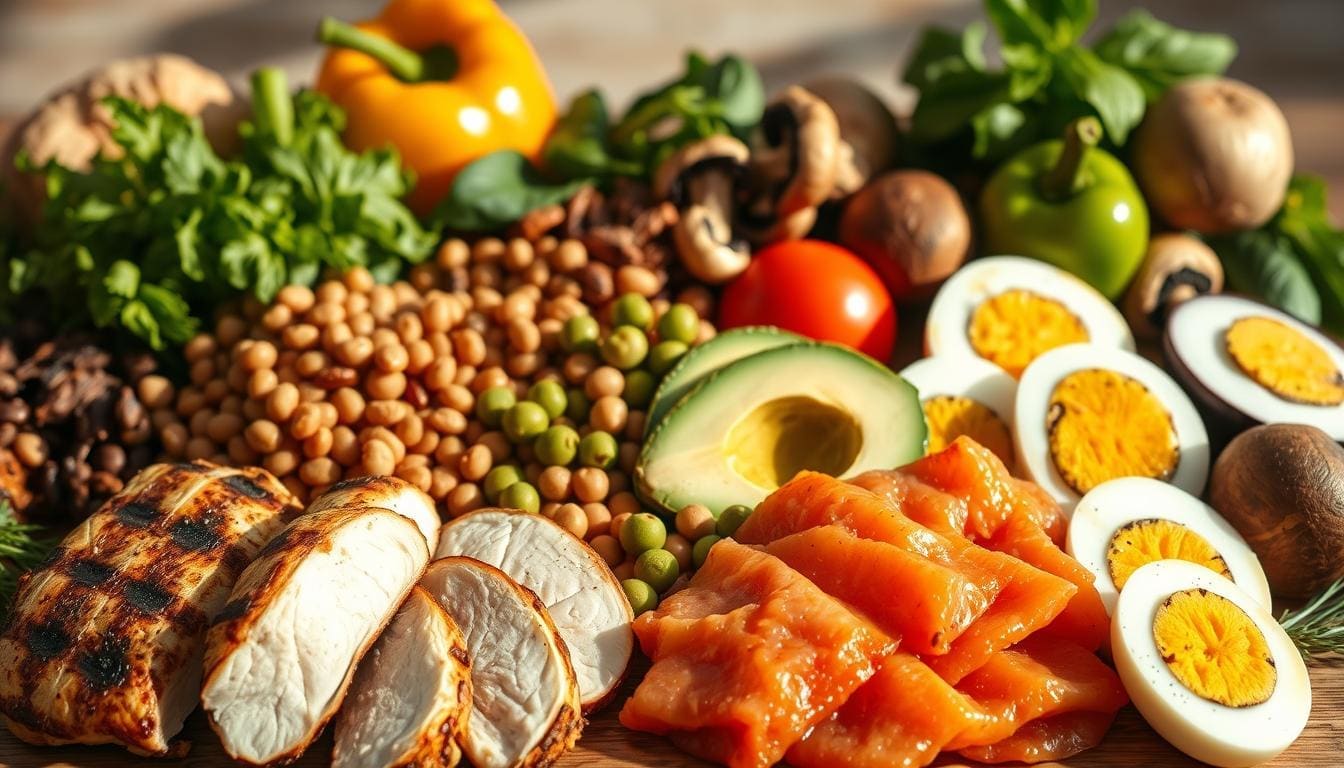
Your body works harder to digest proteins than carbs or fats. This “thermic effect” means you burn more calories processing meals. A 2023 Nutrition & Metabolism review found participants eating 30% protein:
Incorporate these foods into every meal for sustained energy:
| Meal Time | Options | Protein (grams) |
|---|---|---|
| Breakfast | Greek yogurt + chia seeds | 22 |
| Lunch | Grilled chicken salad | 35 |
| Dinner | Lentil stir-fry with tofu | 28 |
Even small swaps matter. Replacing cereal with scrambled eggs adds 15g protein—enough to lose weight without tracking. As dietitian Dr. Maya Carter notes: “Protein isn’t just a nutrient—it’s your ally in reshaping your body naturally.”
Ever wonder why some meals leave you stuffed without the calorie overload? The answer lies in volume eating—a strategy that fills your plate with foods rich in water and fiber. These choices take up space in your stomach, triggering fullness signals while delivering fewer calories per bite.
Vegetables and fruits are nature’s perfect volume foods. A bowl of spinach has just 7 calories compared to 150 in a handful of chips—but which keeps you satisfied longer? Research shows meals packed with veggies and whole fruits reduce hunger for 4+ hours. Three reasons this works:
Incorporate these foods throughout the day without extra prep time. Start lunches with a leafy green salad, snack on watermelon cubes, or blend berries into smoothies. Soups and stews are clever options—their liquid base stretches portions while keeping calories low.
Try this simple swap: replace half your pasta with zucchini noodles. You’ll enjoy the same plate size but consume 30% fewer calories. As registered dietitian Lisa Grant notes: “When you prioritize volume, your body naturally finds its balance—no spreadsheets needed.”
Hydration plays a key role too. Drinking water before meals reduces intake by 13%, studies suggest. Pair this with high-fiber snacks like apples or carrots for lasting satisfaction. Over time, these habits help you eat less without feeling deprived—proving that smart food choices trump calorie math.
What if your favorite sandwich could become a secret weapon for weight management? Swapping refined carbs for smarter choices helps stabilize energy and reduce hunger spikes. Research shows diets lower in sugars and starches decrease insulin fluctuations, which often trigger cravings.

Reducing carb-heavy meals doesn’t mean eliminating them entirely. Focus on replacing processed options like white bread or sugary snacks with fiber-rich alternatives. For example, choosing a lettuce wrap instead of a sub roll at lunch cuts 25 grams of carbs while keeping you full longer.
A 2021 study found participants who minimized refined carbs consumed 18% fewer daily calories without tracking. Their bodies naturally adjusted portions due to stabilized blood sugar. Try these swaps to start:
| High-Carb Lunch | Lower-Carb Alternative | Calorie Difference |
|---|---|---|
| Pasta salad | Zucchini noodles + grilled chicken | -220 |
| Bagel with jam | Almond flour toast + avocado | -160 |
| Rice bowl | Cauliflower rice + salmon | -190 |
Snacks also offer opportunities. Crunchy veggie sticks with hummus satisfy cravings better than chips. As nutritionist Dr. Rachel Kim notes: “When you nourish your body with slow-burning carbs, you bypass the hunger rollercoaster.”
This approach isn’t about strict elimination—it’s about smarter substitutions. By prioritizing whole-food carbs like berries or sweet potatoes, you’ll naturally consume fewer calories while feeling satisfied. Pair these changes with protein and healthy fats for lasting results.
Ever notice how midnight cravings hit hardest after a stressful day? Your sleep patterns and stress levels play starring roles in weight management. Research shows poor rest and chronic tension disrupt hormones that control hunger and fat storage—making natural calorie reduction harder.
Skimping on sleep throws hormones out of balance. A University of Chicago study found just four hours of rest increases ghrelin (hunger hormone) by 28% while lowering leptin (fullness signals). This double whammy leads to:
Prioritizing seven to nine hours helps reset these signals. Try dimming lights 90 minutes before bed and keeping phones outside the bedroom.
Chronic stress keeps cortisol elevated, which increases fat storage around the midsection. Simple daily practices can break this cycle:
| Technique | Time Required | Effectiveness |
|---|---|---|
| Box breathing | 5 minutes | Lowers cortisol by 22% |
| Nature walks | 20 minutes | Reduces stress hormones 28% |
| Progressive muscle relaxation | 10 minutes | Decreases tension 35% |
As sleep specialist Dr. Rebecca Cole notes: “Managing stress isn’t just about mental health—it’s metabolic first aid.” Pair these strategies with consistent bedtimes for optimal energy and appetite control.
What if your daily commute could double as a progress tracker? Lasting results often come from small, consistent actions woven into routines. Research shows people who focus on habit formation rather than strict rules maintain weight loss three times longer.
Start with one change at a time. Swap sugary drinks for herbal tea during work breaks. Use smaller plates for dinners—studies show this reduces portions by 19% naturally. Try these effortless shifts:
These tweaks require minimal time but create ripple effects. As nutrition coach Mark Wilson notes: “Consistency beats intensity every time when reshaping your diet.”
Your favorite jeans tell a better story than any number. Notice how clothes fit looser or energy levels rise during afternoon slumps. Other meaningful metrics:
| Traditional Tracking | Alternative Method | Benefit |
|---|---|---|
| Daily weigh-ins | Monthly progress photos | Reduces fixation |
| Calorie apps | Meal satisfaction journal | Builds awareness |
| Step counters | Stair-climbing ease | Measures fitness gains |
Celebrate non-scale wins like better sleep or sharper focus. These markers prove your way of living—not temporary dieting—is working. Small amounts of change today become transformative results tomorrow.
Transforming your relationship with food doesn’t require complex math—just smarter choices. By focusing on nutrient-rich meals, listening to hunger cues, and managing stress levels, you create sustainable habits that support losing weight naturally.
Start your day with protein-packed breakfasts to stabilize appetite, prioritize whole foods over processed options, and embrace mindful practices. Quality sleep and stress reduction techniques help regulate hormones linked to fat storage and cravings.
Remember: lasting progress comes from balance, not restriction. Swap rigid tracking for intuitive eating—trust your body’s signals while enjoying satisfying meals. Small shifts like using smaller plates or prepping snacks make big differences over time.
Every meal is a fresh chance to nourish your body and move toward your goals. You’ve got the tools to lose weight without obsessing over many calories or spreadsheets. Progress, not perfection, builds the life-changing results you deserve.
Curious what is the primal diet? Discover how eating like your ancient ancestors—with a side of cheese—might energize you (and your next caveman impression).
Curious about the zero starch diet? Learn what you can actually eat, how to avoid salad boredom, and why potatoes are definitely not invited to this party.
A beginner swim workout turns splashing around into smart, safe exercise—even if your best stroke is “try not to panic.” Learn to swim with confidence (and laughs).