Tips
What Is the Primal Diet? Why Your Inner Caveman Might Need a Salad
Curious what is the primal diet? Discover how eating like your ancient ancestors—with a side of cheese—might energize you (and your next caveman impression).
Real-Life Fitness for Real People
Since 2024
Discover healthy food for women over 40 that boosts energy, bone strength, and joy—without turning every meal into broccoli boot camp. See what actually works!

Healthy food for women over 40 is essential for feeling energetic, maintaining bone strength, and supporting well-being as metabolism and hormones shift. Getting the right balance of protein, calcium, vitamin D, healthy fats, and fiber is the foundation for thriving in this life stage without giving up flavor or stressing over every meal.
Disclosure: This article contains affiliate links. We may earn a commission at no extra cost to you.
Women over 40 face distinct nutritional needs driven by changes in metabolism, muscle mass, and hormonal shifts.
Prioritizing key nutrients like protein, calcium, vitamin D, and healthy fats supports overall health, bone strength, and heart function during midlife.
After age 40, a woman’s metabolic rate declines gradually, and muscle mass begins to decrease.
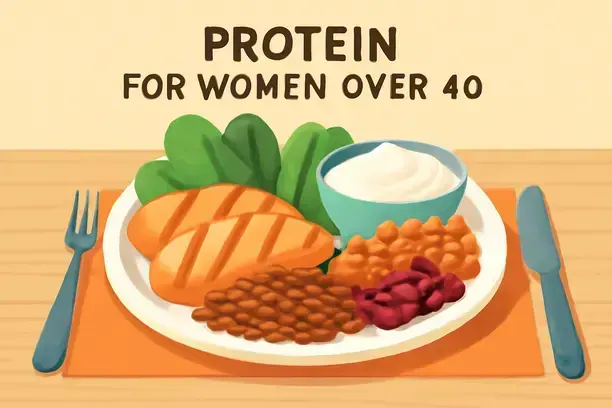
This combination makes adequate, high-quality protein intake more important than ever. Protein helps preserve lean muscle, which supports metabolism and strength.
Aim for about 20–30 grams of protein with each meal.
Excellent protein sources include eggs—especially at breakfast—Greek yogurt, fish, lean poultry, tofu, edamame, and beans.
Combining grains and legumes, such as brown rice with lentils or whole wheat toast with peanut butter, provides a well-rounded amino acid profile without excessive saturated fat.
Rather than relying on protein powders, focus on real foods to achieve fullness and provide essential micronutrients.
Frequent consumption of plant-based proteins is advised, as excessive red or processed meat intake is linked with higher risks of heart disease and some cancers Source: Harvard T.H. Chan School of Public Health.
Bone density typically begins to decline more rapidly after 40, particularly following menopause.
Calcium and vitamin D are crucial for maintaining bone strength, but supplements should only be used if recommended by a healthcare provider.
Build calcium intake from foods like low-fat dairy (yogurt, kefir, cottage cheese), fortified plant milks, leafy greens such as bok choy, kale, and collard greens, almonds, and sardines with bones.
These contribute toward the recommended daily 1,000–1,200 mg of calcium.
Vitamin D is harder to obtain from diet alone.
Fatty fish like salmon, mackerel, and trout, eggs, and fortified products help, but in many regions, sensible sun exposure or low-dose supplementation is necessary.
Avoid excessive dosing, as too much vitamin D can cause harm Source: NIH.
The Mediterranean diet pattern highlights healthy fats that benefit heart and cognitive health.
Women over 40 should incorporate extra virgin olive oil, nuts, seeds, avocados, and fatty fish, which supply monounsaturated and omega-3 fats linked to reduced cardiovascular risk, improved brain function, and lower inflammation.
Replacing butter and processed snacks with these unsaturated fats supports heart health and helps keep you feeling full after meals Source: American Heart Association.
If you want a structured, step-by-step approach, the 30-Day Mediterranean Diet Challenge offers recipes and meal plans designed specifically for women over 40.
It makes it easier to enjoy these benefits every day without the guesswork.
Digestive health becomes increasingly important with age.
Women over 40 should aim for at least 25 grams of fiber daily to maintain digestive resilience, control appetite, and stabilize blood sugar levels.
Increasing fiber can be manageable: swap white bread for sprouted grain varieties, add beans to salads, and choose fruits such as berries or pears for snacks.
These simple changes may help curb midlife weight gain and support cholesterol management.
If you’re new to higher fiber, increase intake gradually and drink more water to reduce bloating or discomfort.
Explore plant-forward recipes in the guide on essential healthy recipes with vegetables.
No single “superfood” will dramatically transform health after 40.
While foods like berries, broccoli, fatty fish, and leafy greens provide valuable nutrients, the key lies in a diverse, plant-rich diet with varied colors and textures.
Black beans, sweet potatoes, and cruciferous vegetables such as broccoli, Brussels sprouts, and cabbage are notable for antioxidants and fiber.
Citrus fruits and red bell peppers contribute vitamin C to support the immune system.
Polyphenol-rich items like green tea and extra virgin olive oil show some promising effects on heart and brain health, but benefits accumulate gradually rather than instantly Source: Nutrients, 2021.
Enjoy so-called superfoods, but prioritize consistent variety over isolated trends for sustainable results. Make it a point to rotate fresh produce, experiment with new grains like farro or quinoa, and balance plant-forward staples with lean proteins.
If you’re seeking meal inspiration tailored for energy and health, check out this easy Mediterranean recipe collection designed for women in midlife.
Adopting healthy food for women over 40 does not mean rigid meal plans or eliminating foods you love. Sustainable approaches focus on balance, gentle upgrades, and satisfaction. Here are some meal-building tips for busy women:
Use shortcuts like pre-chopped veggies, frozen berries, or canned beans to save time while sticking to your goals. Flexibility makes consistency easier.
For more simple, balanced meal planning, try this step-by-step Mediterranean Diet kickstart.
Women over 40 often encounter fatigue, strong cravings, or digestive discomfort. Addressing these issues takes more than willpower:
Hydration is also critical—especially as hormones change—so aim to drink water throughout the day and consider herbal teas.
Adapting your nutrition can help ease the transition through life’s changes and boost overall wellness.
If you need extra motivation to stick with healthy routines, see our tips for staying motivated for fitness.
A great breakfast should combine high-quality protein (like eggs or Greek yogurt), fiber (from oats, berries, or whole-grain bread), and healthy fats (walnuts, chia, or a slice of avocado). This keeps energy steady and helps prevent mid-morning cravings.
It’s wise to limit processed foods, sugary beverages, refined grains, and excessive red or processed meats. These contribute to inflammation and raise the risk of chronic disease. Instead, focus on whole foods and plenty of plants for healthful aging.
Set realistic goals, meal prep when you can, and allow yourself flexibility. Don’t strive for perfection—choosing better-for-you options most of the time delivers long-term benefits.
For a delicious path to vibrant midlife, start your journey with the Mediterranean Diet Challenge made for women 40+ today!
Curious what is the primal diet? Discover how eating like your ancient ancestors—with a side of cheese—might energize you (and your next caveman impression).
Curious about the zero starch diet? Learn what you can actually eat, how to avoid salad boredom, and why potatoes are definitely not invited to this party.
A beginner swim workout turns splashing around into smart, safe exercise—even if your best stroke is “try not to panic.” Learn to swim with confidence (and laughs).