Tips
What Is the Primal Diet? Why Your Inner Caveman Might Need a Salad
Curious what is the primal diet? Discover how eating like your ancient ancestors—with a side of cheese—might energize you (and your next caveman impression).
Real-Life Fitness for Real People
Since 2024
Searching for a healthy breakfast to lose weight? Discover easy, satisfying ideas—even if mornings aren’t your jam. Learn how tasty can help you trim the muffin top!
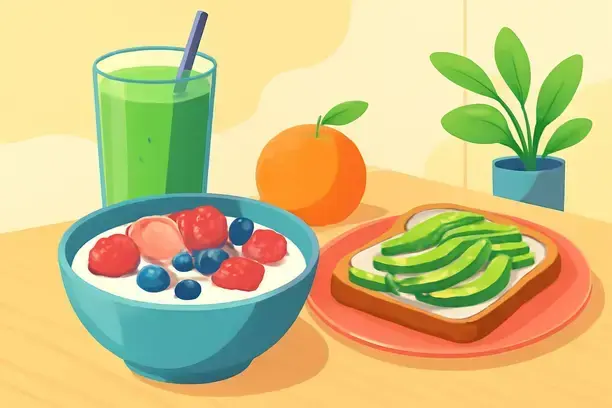
Healthy breakfast to lose weight is a crucial choice for anyone aiming to shed pounds safely and sustain energy—but individual health needs make some options better than others. The right breakfast supports weight loss and wellness for your unique body.
Disclosure: This article contains affiliate links. We may earn a commission at no extra cost to you.
Even the healthiest breakfast for weight loss isn’t automatically safe or ideal for everyone. Certain health conditions require extra caution with high-protein or specialty breakfast foods.
Knowing when to swap or avoid specific ingredients can make a real difference in how you feel—and how safely you reach your goals.
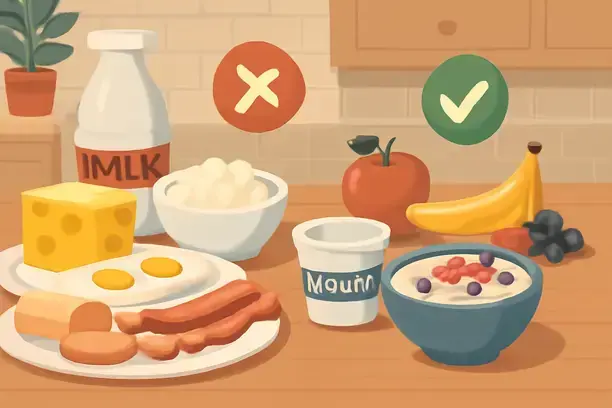
High Cholesterol or Heart Disease: If you have elevated LDL (“bad”) cholesterol or cardiovascular disease, it’s smart to limit or avoid full-fat cheeses, butter, and processed breakfast meats like bacon and sausage.
Eggs are usually fine for most people but may need restriction if you have genetic disorders or very high cholesterol. Instead, try fiber-rich oatmeal, low-fat dairy, or small portions of avocado for healthy fats.
Always discuss your cholesterol needs with your healthcare provider before adopting high-fat breakfast habits.
Source: American Heart Association
Diabetes or Blood Sugar Concerns: Many high-protein breakfasts—like Greek yogurt, eggs, or cottage cheese—help manage appetite and steady your energy throughout the morning.
However, sweetened yogurts or granolas can spike your blood sugar fast. If you have diabetes or prediabetes, choose unsweetened versions and add natural flavors like berries or cinnamon.
Swapping white breads or pastries for whole grains can also help with blood sugar control.
Source: Centers for Disease Control and Prevention
Lactose Intolerance: If you’re lactose intolerant, skip traditional milk, yogurt, and cheeses.
Unsweetened almond, soy, or oat milk are good alternatives—just check labels for protein content and minimal added sugars.
Nut Allergies: Peanut and tree nut allergies make most nut butters unsafe. Try allergy-friendly seed butters like sunflower or pumpkin seed spread, or savory options like hummus.
Even if you’re not allergic, rotating spreads can diversify your nutrition and possibly lower allergy risks over time.
Other Common Contraindications:
Always consult your healthcare provider or a registered dietitian before making dietary changes, especially if you have chronic health conditions or take medications.
Nutrition needs are unique, and professional guidance keeps you safe.
For sustainable swaps and practical meal plans, the 30-Day Mediterranean Diet Challenge gives you a results-focused meal blueprint to build a healthy breakfast routine centered on balance and satisfaction.
Adapting breakfast habits to your health needs is a foundational step toward safe, rewarding results.
Explore more Mediterranean-inspired ideas designed for both health and enjoyment here.
For more inspiration, the guide to healthy breakfasts for weight loss offers practical examples and fresh recipes for different dietary needs.
When you’re choosing a healthy breakfast to lose weight, knowing where your nutrition advice comes from matters more than you might think.
Not all claims are created equal—reliable tips are based on peer-reviewed studies, official guidelines, or insights from accredited experts.
To spot credible evidence, check the study type first. Was it a large randomized controlled trial or just a small survey?
Notice who was studied—like “adults with overweight” or other specific groups. These details help you know if the results actually apply to you.
Trustworthy sources share who conducted and funded the research. Expert quotes should list credentials, like “registered dietitian” or “MD specializing in endocrinology,” so you can tell opinion from real evidence.
Systematic reviews from groups like the American Heart Association or journals such as The New England Journal of Medicine usually signal strong evidence.
Source: Harvard T.H. Chan School of Public Health
When you see nutrition numbers—like macronutrients or calories—look for clear serving sizes.
For example, “1 cup Greek yogurt, approx. 150 kcal, 15g protein” lets you know exactly what to expect. Reliable resources note these as estimates since brands and prep methods vary.
Data sources like USDA FoodData Central or NHS guidelines should be cited.
When you see meal plans or macro breakdowns for weight-loss breakfasts, confirm that estimates match typical servings and verify the source.
This way, you can compare and tailor plans to your own diet or region.
Want to understand how macros affect weight loss or how to track them accurately? Our guide to understanding and tracking macros has practical, evidence-based advice.
To make science-backed choices easier, some programs provide transparent data and sample meal plans with clear serving sizes and nutrition facts. Always choose resources that openly cite reputable data.
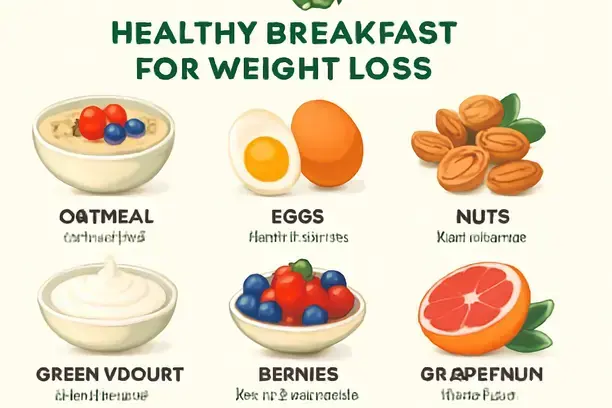
The best breakfasts for weight loss focus on fiber, lean protein, and healthy fats. Options like Greek yogurt with berries, veggie omelets, or oatmeal with nuts help control hunger, stabilize blood sugar, and keep you satisfied longer. Avoid sugary cereals and pastries for more stable energy and fewer cravings.
It’s possible to lose weight without eating breakfast, as long as your total calorie intake fits your goals. However, a balanced breakfast can help reduce late-morning snacking and may improve focus or workout energy. Listen to your body and find what eating pattern works best for your schedule.
Vary your grains, fruits, and proteins—try overnight oats, smoothie bowls, breakfast salads, or nut butter toast with new toppings. Mixing fresh, seasonal produce or swapping spices and herbs keeps things interesting, helping you stick to healthy habits longer.
Curious what is the primal diet? Discover how eating like your ancient ancestors—with a side of cheese—might energize you (and your next caveman impression).
Curious about the zero starch diet? Learn what you can actually eat, how to avoid salad boredom, and why potatoes are definitely not invited to this party.
A beginner swim workout turns splashing around into smart, safe exercise—even if your best stroke is “try not to panic.” Learn to swim with confidence (and laughs).