Tips
What Is the Primal Diet? Why Your Inner Caveman Might Need a Salad
Curious what is the primal diet? Discover how eating like your ancient ancestors—with a side of cheese—might energize you (and your next caveman impression).
Real-Life Fitness for Real People
Since 2024
Sarah had tried everything. For years, she counted calories, joined gyms, and followed every diet trend. Despite her best efforts, the scale wouldn’t budge. She felt frustrated and alone in her struggle, wondering if lasting change was even possible. Then her doctor mentioned a different approach — one that focused on the science behind weight …
Sarah had tried everything. For years, she counted calories, joined gyms, and followed every diet trend. Despite her best efforts, the scale wouldn’t budge. She felt frustrated and alone in her struggle, wondering if lasting change was even possible.
Then her doctor mentioned a different approach — one that focused on the science behind weight gain rather than just willpower. They discussed GLP-1 drugs for weight loss, medications designed to target the biological factors that make losing weight so challenging. For Sarah, this conversation opened a new door of hope, as it has for many others on the same journey.
These breakthrough GLP-1 drugs for weight loss, including well-known options like Wegovy and Zepbound, were originally developed to treat type 2 diabetes. Now, they’re changing the way experts approach weight management. As Patrick Welch, PharmD, BCACP, explains, these medications offer dual benefits — not only helping with weight control but also improving overall metabolic health and long-term wellness.
Many individuals experience better blood pressure, improved cholesterol levels, and reduced diabetes risk alongside their weight loss journey. This comprehensive approach recognizes that successful, sustainable results often require more than diet and exercise alone.
Understanding these medications thoroughly is key to making informed decisions about your health. This guide will walk you through everything from how they work to who might benefit most from these innovative solutions.
To grasp how these medications function, it helps to first understand a key hormone your body already makes. This natural substance plays a vital role in managing your energy and feelings of fullness.
Your small intestine produces a hormone called glucagon-like peptide-1. It has several important jobs. After you eat food, this hormone tells your pancreas to release insulin.
It also blocks another hormone that would raise your blood sugar. At the same time, it slows down how quickly your stomach empties. This helps control the amount of sugar entering your bloodstream.
These medications work by mimicking your body’s natural hormone. They attach to the same cell receptors. This action sends signals to your brain that you are satisfied.
Your hunger signals become quieter, and you feel full for longer. This means you naturally eat less food without feeling deprived. The slower digestion also helps reduce cravings throughout the day.
This comprehensive approach supports your body’s own systems for managing appetite and energy use.
Healthcare professionals use specific guidelines to identify who can benefit most from this approach. The evaluation considers both numerical measurements and overall health status.
The FDA has established clear criteria for these medications. People with a BMI of 30 or higher typically qualify based on the classification of obesity. This chronic disease affects multiple body systems and often requires medical intervention.
Many individuals may qualify even with a lower BMI. Those with a BMI of 27 or higher can be eligible if they have weight-related health conditions.
Common qualifying conditions include high blood pressure, type 2 diabetes, and elevated cholesterol levels. Healthcare providers conduct a comprehensive review of your medical history.
They consider family history of disease, previous weight management attempts, and current medications. This personalized approach ensures the treatment aligns with your unique health profile.
Certain coexisting conditions make individuals particularly good candidates. These medications can address multiple health concerns simultaneously.
Your healthcare team will help determine if this approach fits your specific situation. You’re not alone in seeking effective solutions for complex health challenges.
The landscape of available pharmaceutical options for managing body composition has expanded significantly. Several formulations have received FDA approval specifically for this purpose, offering new hope for sustainable results.
Among the GLP-1 medications, semaglutide stands out with formulations like Wegovy approved specifically for weight management. Another powerful option is tirzepatide, available as Zepbound, which works through dual mechanisms.
It’s important to understand that while many GLP-1 medications exist, only specific formulations and dosages carry FDA approval for weight loss treatment. Your healthcare provider can explain which option aligns best with your health profile.
Clinical trials demonstrate impressive outcomes with these approaches. Most participants achieve significant reduction in body mass, typically ranging from 10% to 20% of their starting weight. Some studies show even greater results approaching 25% reduction.
These medications represent a substantial advancement over previous pharmaceutical options. They work with your body’s natural systems to support sustainable management of body composition.
The choice between available GLP-1 medications depends on individual factors including health history and personal preferences. Working closely with your healthcare team ensures you select the most appropriate treatment path.
Before starting any new medication regimen, it’s natural to have questions about potential side effects. These treatments have undergone extensive research and are considered safe when properly supervised by healthcare professionals.
The most frequent side effects are gastrointestinal in nature. Many people experience nausea, vomiting, or diarrhea during the initial adjustment period.
According to Matthew L. Holt, PharmD, BCPS, these symptoms typically improve with extended use. However, they may temporarily return when dosage increases occur.
Some individuals notice fatigue or dizziness as their body adapts. A surprising effect involves reduced hunger signals leading people to forget meals.
Proper nutrition remains crucial even when appetite decreases. Registered dietitian Sara Fausett explains: “GLP-1s slow food moving through the intestines. It tells your brain it’s not hungry. I’ve had to remind some of my clients that they still need to eat.”
Certain health conditions require special consideration before beginning treatment. Personal or family history of medullary thyroid carcinoma represents an important contraindication.
History of pancreatitis or existing gastroparesis also warrants careful evaluation. Patients with diabetic retinopathy should consult their eye doctor beforehand.
Rapid blood sugar improvements can sometimes temporarily affect existing eye conditions. Your healthcare provider will review your complete medical history to ensure safe use.
Think of these medications as valuable teammates in your wellness journey, not solo players. Clinical research consistently shows that combining pharmaceutical support with healthy habits delivers the most impressive and sustainable outcomes.
Patrick Welch emphasizes this integrated approach: “All the clinical trials that showed these medications working also included education on eating and exercise. We see much greater success when lifestyle changes are part of the plan.”
Your nutritional strategy becomes especially important when using these treatments. Since they slow digestion, smaller, more frequent meals often work better than three large ones.
Focus on getting adequate protein to preserve muscle mass during your health transformation. Fiber-rich foods and healthy fats support metabolic function and sustained energy.
| Nutritional Focus | Benefits | Food Examples |
|---|---|---|
| Protein | Preserves muscle during loss | Lean meats, eggs, legumes |
| Fiber | Supports digestion and fullness | Vegetables, whole grains, fruits |
| Healthy Fats | Provides sustained energy | Avocado, nuts, olive oil |
| Hydration | Reduces side effects | Water, herbal teas, broth |
Staying hydrated is crucial—aim for at least two liters of water daily unless your doctor advises otherwise. Proper hydration helps minimize constipation and supports kidney function.
Physical activity you genuinely enjoy makes consistency easier. Whether it’s walking, yoga, or strength training, regular movement enhances your results.
Working with a registered dietitian ensures you’re eating adequately despite reduced appetite. They provide personalized guidance to optimize your nutrition during this process.
This comprehensive approach addresses both biological factors and daily habits. The combination creates a powerful foundation for lasting wellness.
The evolution of medical treatments for managing body weight reveals significant advancements in both safety and effectiveness. Older pharmaceutical options typically produced modest results, while today’s approaches offer dramatically different outcomes.
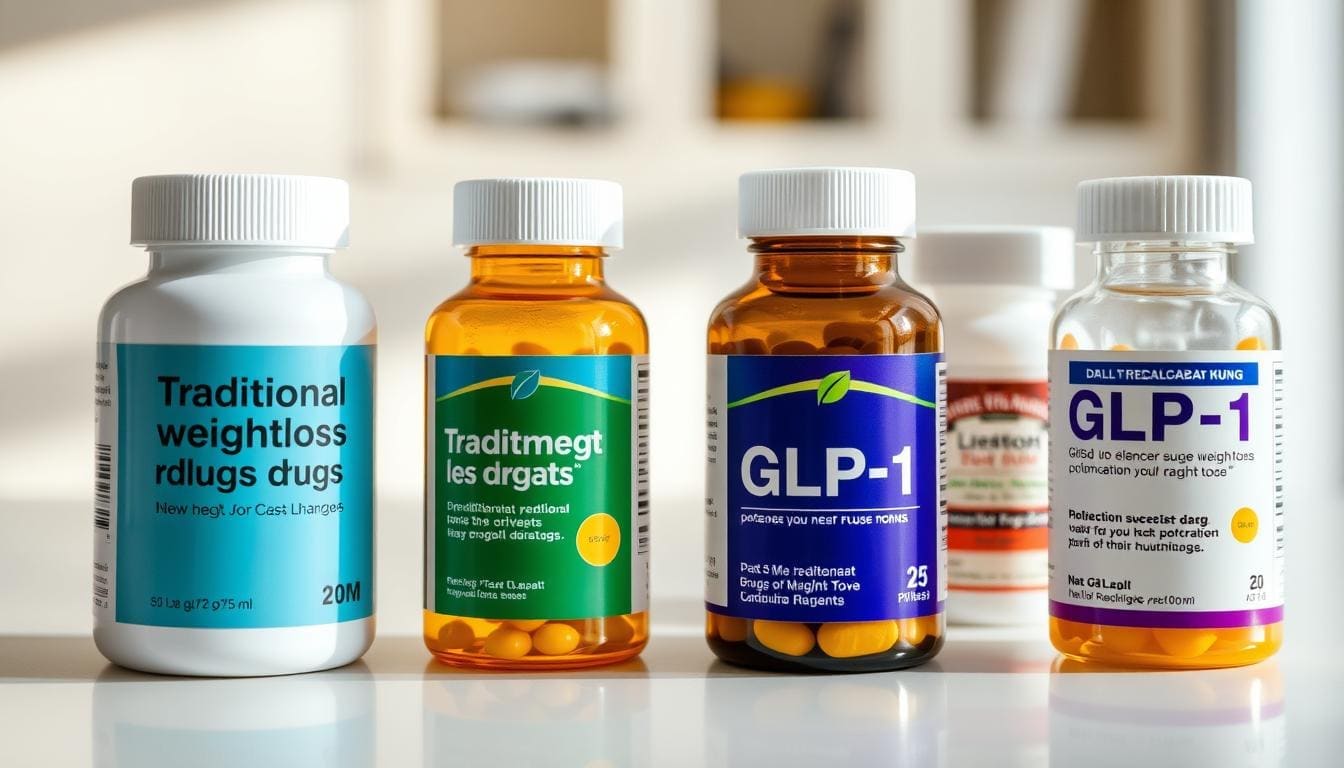
According to Matthew L. Holt, PharmD, BCPS, the most striking difference lies in efficacy. Traditional weight loss medications rarely achieved more than 5% reduction from starting weight and were typically limited to three-month use.
Modern approaches commonly deliver 10-20% reduction, with some clinical trials showing results approaching 25%. This represents a substantial improvement in therapeutic effectiveness.
The mechanisms also differ significantly. Older options often functioned as stimulants affecting the central nervous system. This led to side effects like insomnia, anxiety, and cardiovascular concerns including elevated heart rate and blood pressure.
Current treatments work with your body’s natural hormone systems rather than stimulating nerves. This creates a different side effect profile that many people find more manageable.
The only advantage of traditional options is often greater accessibility and affordability. However, their limitations in both safety and effectiveness make them less suitable for long-term use.
Emerging research suggests modern medications offer benefits beyond managing diabetes and body composition. They may help improve cholesterol levels, reduce heart disease risk, and support kidney and liver health.
This comprehensive approach represents why many healthcare providers consider these treatments a significant advancement in medical science for sustainable health management.
Self-administration might sound intimidating, but modern delivery systems make it easy. Most people find the injection process becomes a simple part of their weekly routine with minimal practice.
These treatments use subcutaneous injection, meaning the medication goes into fatty tissue just under your skin. You’ll use a very small needle for this type of administration. Common injection sites include your belly, thighs, upper arms, or buttocks.
Rotating injection sites helps prevent irritation. Your healthcare provider will demonstrate proper technique during your initial visit. They’ll ensure you feel completely comfortable with the process before you begin home use.
Dosage frequency varies depending on your specific medication type. Most people prefer the convenience of once-weekly injections. Some formulations offer different scheduling options to fit various lifestyles.
| Medication Type | Administration Method | Frequency |
|---|---|---|
| Semaglutide injection | Subcutaneous injection | Once weekly |
| Liraglutide | Subcutaneous injection | Once daily |
| Semaglutide tablets | Oral medication | Once daily |
| Tirzepatide | Subcutaneous injection | Once weekly |
While injections are most common, some medications come in tablet form. This offers an alternative for people who prefer oral administration. Your healthcare team will help determine the best option for your body and lifestyle.
Proper injection technique ensures you receive the full benefit of your medication. Don’t hesitate to ask questions during training sessions. Most people adapt quickly and find the process much easier than they initially expected.
Many people considering medical weight management have legitimate questions about what happens after treatment ends. Clinical studies show that without a proper plan, people may regain some of the reduced mass when stopping medication.
This occurs because the appetite-suppressing effects diminish. Hunger signals return to previous levels. However, working with your healthcare team can prevent this outcome.

A structured transition plan combined with maintained lifestyle habits helps sustain results. Obesity is a complex medical condition requiring comprehensive treatment.
These medications underwent rigorous testing in people without diabetes. They’re proven safe and effective for obesity management specifically. The initial development to treat type 2 diabetes doesn’t limit their use.
Emerging research suggests benefits beyond mass reduction. These treatments may help reduce cardiovascular risk and support metabolic health. Understanding these facts helps people make informed decisions about this chronic .
Medical science continues to unlock new possibilities for managing complex health conditions. These innovative medications represent a significant advancement in treating obesity and related metabolic issues.
Unlike traditional approaches, they work with your body’s natural systems to regulate appetite and support sustainable results. The benefits extend far beyond weight management alone.
Patrick Welch notes, “New research suggests these medications may also help improve cholesterol levels, reduce heart disease risk, and even support kidney and liver health.” This comprehensive approach addresses multiple aspects of wellness simultaneously.
For optimal outcomes, combine medical treatment with healthy lifestyle habits. Proper nutrition, regular activity, and ongoing healthcare support create the foundation for lasting success.
If you’ve struggled with traditional methods, this could be your breakthrough moment. Discuss these options with your healthcare provider to determine if they align with your specific health profile.
The future looks bright as research continues to reveal additional therapeutic applications. These treatments already transform lives while offering new hope for sustainable wellness journeys.
GLP-1 medications are a class of prescription drugs that mimic a natural hormone called glucagon-like peptide-1. They work by slowing down digestion, which helps you feel fuller for longer, and by sending signals to your brain to reduce hunger. This dual action supports significant reductions in body mass for many individuals.
While originally developed to help manage blood sugar levels in individuals with type 2 diabetes, medications like semaglutide are now FDA-approved for chronic weight management in adults with obesity or who are overweight with at least one related health condition, such as high blood pressure.
It’s common to experience some gastrointestinal issues when starting these medications. These can include nausea, diarrhea, and vomiting. For most people, these effects are mild and tend to lessen as the body adjusts to the treatment. Always discuss any persistent issues with your healthcare provider.
Extremely important. These medications are designed to be used alongside a reduced-calorie diet and increased physical activity. Adopting a balanced eating plan and regular exercise routine will help you achieve the best possible results and support long-term health benefits for your heart and overall wellness.
Most GLP-1 agonists are administered via a once-weekly subcutaneous injection, which means just under the skin. Your doctor or a healthcare professional will teach you the proper injection technique to ensure safety and effectiveness.
There are specific safety considerations. These medications have a boxed warning regarding a potential risk of thyroid C-cell tumors. They are not recommended for individuals with a personal or family history of certain thyroid cancers or for those with Multiple Endocrine Neoplasia syndrome type 2. Discuss your full medical history with your doctor.
Curious what is the primal diet? Discover how eating like your ancient ancestors—with a side of cheese—might energize you (and your next caveman impression).
Curious about the zero starch diet? Learn what you can actually eat, how to avoid salad boredom, and why potatoes are definitely not invited to this party.
A beginner swim workout turns splashing around into smart, safe exercise—even if your best stroke is “try not to panic.” Learn to swim with confidence (and laughs).