Tips
What Is the Primal Diet? Why Your Inner Caveman Might Need a Salad
Curious what is the primal diet? Discover how eating like your ancient ancestors—with a side of cheese—might energize you (and your next caveman impression).
Real-Life Fitness for Real People
Since 2024
Discover how a diet to help fatigue can revive your energy without promising miracles or turning your meals into a science fair. Learn what really works—and laugh a little along the way.

Diet to help fatigue is often sought by those wanting real energy—without guessing what’s safe or effective for your body. The right plan can fit your lifestyle and help you feel like yourself again with manageable steps.

Disclosure: This article contains affiliate links. We may earn a commission at no extra cost to you.
Fatigue can be a common experience, but sometimes tiredness signals something more serious. If you’re exploring a new diet to help fatigue, recognizing these warning signs keeps you safe and ensures you’re getting the right care.
You’ll want to seek prompt medical attention if your fatigue comes with unexplained weight loss, persistent fevers, night sweats, swollen lymph nodes, or new chest pain. Additional red flags? Shortness of breath, severe headaches, confusion, or significant changes in vision. These symptoms may point to infections, heart problems, or metabolic disorders that need clinical investigation before you make any dietary changes Source: CDC.
Certain groups face higher risks with unsupervised diet changes. If you have diabetes, thyroid disorders, autoimmune diseases, or you’re an older adult, pregnant, breastfeeding, or on multiple medications, always consult healthcare professionals before trying new fatigue-focused diet plans diet plan for fatigue.
It’s also worth understanding the difference between everyday tiredness and chronic fatigue syndrome (CFS/ME). Common fatigue often comes from poor sleep, stress, or dehydration—it usually improves with rest and hydration. CFS/ME involves persistent, debilitating exhaustion lasting over six months that doesn’t get better with rest, often with muscle pain and brain fog. If you’ve been diagnosed with CFS/ME, dietary changes should be closely managed with your healthcare provider to avoid worsening symptoms or nutritional gaps Source: NHS.
When you’re considering structured approaches like the 14-Day Rapid Soup Diet, prioritize safety by consulting your doctor—especially if you have existing health conditions or you’re over 50. Many people find that nutrient-rich soup-based protocols help maintain energy and manage weight without straining their reserves Explore the 14-Day Rapid Soup Diet for structured meal plans.
Listen to your body. If fatigue persists or worsens despite improvements in diet and rest, seek medical advice promptly. The safest and most effective way to use a diet to help fatigue—especially with chronic conditions—is under professional supervision. That way, you’re supporting long-term health, not just chasing short-term fixes. For a manageable, step-by-step approach, consider options like the Rapid Soup Detox, which many busy adults find beneficial.
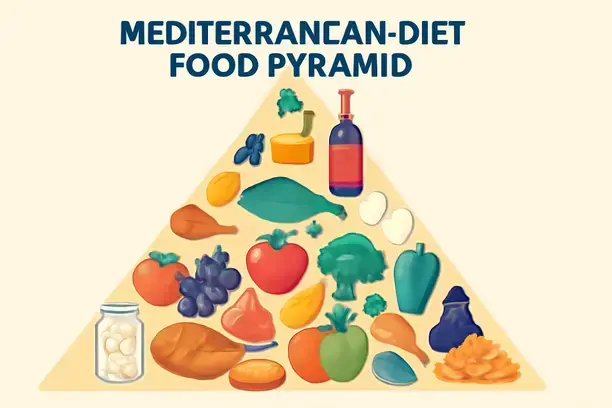
Research consistently points to certain eating patterns that may improve energy and reduce fatigue, especially in people managing chronic conditions. The Mediterranean diet—rich in vegetables, fruits, nuts, olive oil, whole grains, and moderate fish intake—is linked to lower inflammation and better overall well-being. These effects can help reduce fatigue symptoms Source: NCBI.
Anti-inflammatory diets that minimize processed foods and refined sugars may also benefit those with fatigue tied to autoimmune or inflammatory conditions. However, the evidence for reducing everyday tiredness in healthy adults is more limited. Most studies focus on specific groups like cancer survivors or people with rheumatoid arthritis Source: Harvard Health.
Deficiencies in these nutrients can directly cause or worsen fatigue. Iron and vitamin B12 insufficiencies are well-established culprits for low energy—supplementation helps only if deficiency is confirmed via blood tests. Vitamin D deficiency is also linked to fatigue, though evidence that supplementation boosts energy in non-deficient adults is weaker Source: NIH.
Omega-3 fatty acids from fatty fish, walnuts, and flaxseeds support brain function and cellular health. Emerging research suggests they may improve mood and reduce fatigue in some chronic illnesses, but they’re not a guaranteed fix for everyday tiredness.
Rather than loading up on supplements, focus on nutrient-dense whole foods like leafy greens, lentils, salmon, eggs, seeds, and fortified dairy. Save supplementation for diagnosed deficiencies managed with professional care.
These foods commonly appear in Mediterranean-style eating plans. For more ideas on creating such meals, see this sample Mediterranean diet menu.
For a simple, customizable plan that addresses fatigue and reduces cooking hassle, the 14-Day Rapid Soup Diet offers anti-inflammatory meal guidance with daily recipes.
Diet-fatigue links are strongest for individuals with chronic illnesses, cancer treatment recovery, or confirmed nutrient deficiencies. If you don’t fall into these groups, there’s less proof that specific diets or foods will resolve fatigue.
Supplements aren’t a shortcut to more energy unless you’re correcting verified deficiencies. Unsupervised intake risks interactions or adverse effects Source: NHS. Medical testing helps pinpoint underlying causes like anemia or thyroid dysfunction before self-medicating.
The best fatigue-supporting diets emphasize variety, whole foods, plant nutrients, healthy fats, and lean proteins. Mediterranean-style eating remains the top evidence-backed framework for energy and inflammation reduction. Step-by-step guides with recipes and shopping lists can make adherence much easier step-by-step Mediterranean diet guides.
If you prefer structured, convenient meal prep focusing on soups, the 14-Day Rapid Soup Diet offers an accessible way to simplify your fatigue management.
Keep in mind, lasting energy requires attention to diet alongside sleep, activity, and stress management. For practical nutritious recipes, explore these easy, nutritious meals to make at home.
Creating a diet to help fatigue is about more than just choosing quality foods—consistency and manageable routines matter too. Here’s a practical framework for balanced, energy-supportive meals that work for various preferences.
Substitution tips: For allergies or preferences, swap nuts with seeds, dairy with unsweetened plant-based alternatives, and gluten with certified gluten-free grains. Season to match your cultural tastes—what’s sustainable for you matters most.
When energy is low or time is tight, having a plan you can follow without overthinking makes all the difference. The 14-Day Rapid Soup Diet is designed for simple, energizing soup meals with structured guidance—ideal if fatigue limits your cooking energy.
Adjust this list by incorporating culturally familiar foods or weekly specials. Bulk frozen and canned items keep meals affordable and easy. For recipe inspiration, explore our favorite healthy meals to make at home and the easy weekly meal plan.
Having quick, nutritious meal options available is critical when fatigue reduces your motivation to cook. Simplified prep reduces skipped meals and reliance on ultra-processed snacks—both major drains on energy.
For a done-for-you solution with recipes, daily plans, and rapid prep guidance—especially if you’re over 50 or short on time—consider the Rapid Soup Detox program. Consistent, achievable meal planning fuels sustained energy improvements.
For more on portion control and energy-sustaining meal templates, see our balanced guides to healthy meals in a day. Detailed advice on meal structure and timing is available at the Harvard T.H. Chan School of Public Health [Source: Harvard Nutrition Source].
Addressing fatigue effectively involves more than dietary change. Sleep quality, physical activity, and mood significantly impact—and are influenced by—nutrition. A balanced, multifaceted approach yields the best outcomes for overcoming persistent tiredness Source: National Institutes of Health.
Well-planned meals rich in protein, slow-digesting carbohydrates, unsaturated fats, and key micronutrients (B vitamins, magnesium, iron) support cellular energy and blood sugar control. However, poor sleep or unmanaged stress can limit the benefits of diet alone. Structured meal plans, like those in the 14-Day Rapid Soup Diet, can help you implement nutrition changes without overwhelming preparation demands.
If addressing nutrition, sleep, activity, and stress for several weeks leaves fatigue unrelieved, it’s time to seek specialized support:
Diet is a crucial component of fatigue management, but it works best alongside good sleep, stress control, and supportive routines. For strategies on maintaining diet and exercise motivation, see our guide on balancing diet and exercise without losing momentum.
There’s no single “magic” fix for fatigue. Sustainable energy comes from combining simple, evidence-based habits customized to your life.
Curious what is the primal diet? Discover how eating like your ancient ancestors—with a side of cheese—might energize you (and your next caveman impression).
Curious about the zero starch diet? Learn what you can actually eat, how to avoid salad boredom, and why potatoes are definitely not invited to this party.
A beginner swim workout turns splashing around into smart, safe exercise—even if your best stroke is “try not to panic.” Learn to swim with confidence (and laughs).