Tips
What Is the Primal Diet? Why Your Inner Caveman Might Need a Salad
Curious what is the primal diet? Discover how eating like your ancient ancestors—with a side of cheese—might energize you (and your next caveman impression).
Real-Life Fitness for Real People
Since 2024
Curious about a detox diet plan? Learn what works, what’s just wishful thinking, and how to reset your meals (without surviving on juice or kale alone).
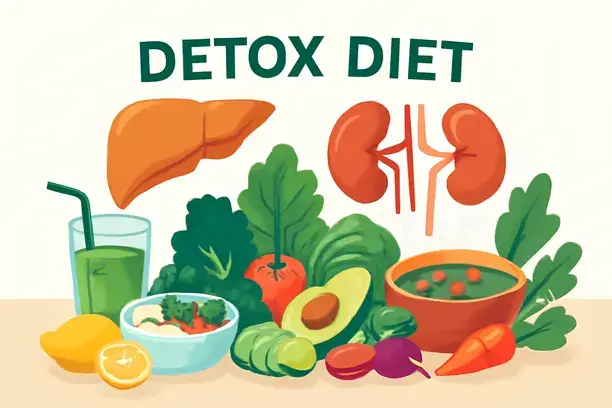
Detox diet plan seekers often want to feel lighter, more energized, and maybe lose a few pounds—without starving or falling for another “miracle cleanse.” If you’ve been wondering whether a detox diet plan truly delivers on its promises, you’re definitely not alone. The reality: most results come from short-term calorie changes and your body’s natural processes.
Disclosure: This article contains affiliate links. We may earn a commission at no extra cost to you.
Detox diets often promise to flush harmful “toxins” from your body, but they rarely spell out what those toxins actually are. Usually, they’re referring to things like alcohol, medications, metabolic byproducts, or environmental chemicals you absorb through food, air, or skin contact. Here’s the thing: your body already has a sophisticated system to handle all of this. Your liver and kidneys work around the clock to process and eliminate these substances—no special diet required.
The American Cancer Society explains that your liver converts fat-soluble compounds into water-soluble forms, which your kidneys and digestive system then naturally excrete. As long as these organs are functioning normally, your body’s filtering and cleansing mechanisms run constantly without needing a jumpstart from juice or pills.
Most weight changes during detoxes come from calorie restriction or fluid shifts rather than enhanced toxin elimination. For sustainable fat loss, maintaining a calorie deficit and balanced diet is the real deal—not relying on detox protocols (calorie reduction overview).
Comprehensive studies show that while detox diets may cause initial weight loss—typically within the first week—this effect is short-lived and unrelated to actual toxin removal. Reviews from sources like the Journal of Human Nutrition and Dietetics conclude that claims about clearing environmental chemicals or detoxifying your body just aren’t supported by solid human clinical evidence.
Testimonials often reflect the effects of brief calorie restriction rather than genuine detoxification. Your body’s natural detox systems are usually sufficient unless you have an underlying organ issue.
If you’re looking for a gentle reset using nourishing foods, structured plans like the 14-Day Rapid Soup Diet focus on filling soups and sensible calorie control—rather than unproven “cleanses.”
Detox diets mainly offer a short break from processed foods, sugar, and alcohol. That temporary improvement in energy or reduction in bloating? It’s likely due to better hydration and nutrition—not some mystical flushing of toxins or metabolic miracle.
Long-term health requires sustainable eating habits. Incorporating nourishing soups with balanced calorie intake, like in the Rapid Soup Detox system, can help jumpstart positive changes. Just don’t mistake those benefits for direct detox effects.
To understand the real drivers of diet success, check out our overview on calorie deficit science for weight loss.
Detox diets—even those marketed as gentle or natural—aren’t safe for everyone. If you’re pregnant or breastfeeding, avoid rapid dietary changes to protect both maternal and infant health. People living with chronic illnesses like diabetes, kidney or liver disease, cancer, or autoimmune disorders face higher complication risks.
Anyone with a history of eating disorders should steer clear of restrictive or rapid weight-loss plans to prevent relapse or worsening symptoms. It’s crucial to consult a healthcare provider before starting any detox, especially if you’re taking medications or managing underlying conditions Source: NHS.
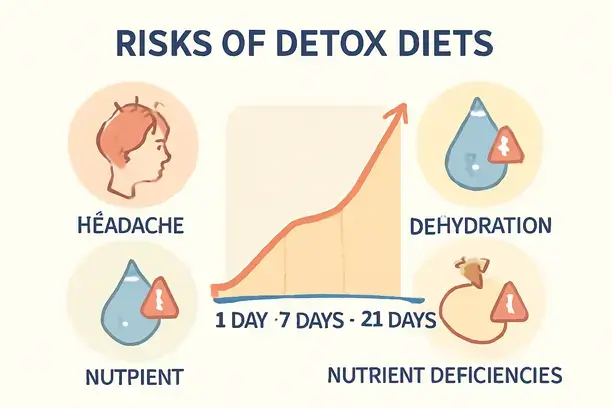
Short detoxes—like single-day juice cleanses or fasts lasting up to three days—may cause mild side effects such as headaches, irritability, fatigue, and low-grade dizziness. Your blood sugar can drop if you’re used to regular carbohydrate intake. Dehydration risk rises if you’re not adequately replacing fluids.
When a detox stretches to around a week, low energy and muscle weakness become more common due to protein and calorie deficits. Digestive issues like bloating or diarrhea may also show up. Prolonged restriction can lead to electrolyte imbalances, posing risks like muscle cramps and irregular heart rhythms—especially if you’re on heart or blood pressure medications.
More balanced digital programs like the 14-Day Rapid Soup Diet offer recipes and guidance designed with safety in mind over longer periods, contrasting with unsupervised juice or water fasts.
Detoxes longer than a week carry significant risks from sustained calorie and protein deprivation, including:
Using laxatives, enemas, or unregulated supplements during fasting raises the risk of organ damage—particularly in older adults or those with existing health conditions Source: Academy of Nutrition and Dietetics.
Plans like the Rapid Soup Detox system attempt to mitigate some risks by emphasizing electrolyte balance and real food—but even these require medical clearance for extended use.
Changes in diet or fasting can affect how well your medications work. Electrolyte shifts can influence diuretics, antihypertensives, and cardiac drugs. Missing meals can lead to dangerously low blood sugar if you’re using insulin or oral hypoglycemics. Blood-thinners like warfarin may have variable effects due to changes in vitamin K. Absorption issues from vomiting or diarrhea can affect thyroid, psychiatric, and anti-epileptic medications.
If you’re on daily medications—especially for diabetes, hypertension, or blood clotting—consult your healthcare provider before starting a detox diet. Proper monitoring and adjustments can make all the difference Source: American Cancer Society.
If you experience any of these symptoms during a detox, stop immediately and seek medical care. Even non-emergency symptoms like ongoing fatigue or headaches warrant reevaluation of your chosen plan.
For safer, sustainable changes, consider nutrient-focused or balanced long-term diets designed to minimize health risks.
If you’re looking for a plan that puts real food and safety first, a structured soup-based approach can be a practical way to reset your habits—without extreme deprivation.
Effective detox plans prioritize whole, minimally processed foods with adequate calories, protein, and fiber to keep you satisfied and hydrated—rather than leaving you feeling deprived. Here are sample eating plans designed with these principles in mind.
This menu totals about 1400–1600 calories and balances protein with over 30 grams of fiber. Hydration from water and herbal teas is encouraged throughout the day.
Explore further ideas in our collection of favorite healthy meals to make at home.
The 14-Day Rapid Soup Diet offers a guided digital version optimized for simplicity and satiety.
Gradually reintroducing foods helps prevent digestive upset and keeps you in control. Slowly add lean proteins (fish, chicken, yogurt), complex carbs (sweet potatoes, whole-grain bread), and healthy fats (avocado, nuts) over several days.
Continuing plant-based meals and soups several times per week supports fullness and helps healthy habits stick. Establishing meal planning as a regular routine can foster sustainable, balanced eating. See our tips for long-term diet adherence.
Tracking your meals and symptoms—energy levels, digestion, cravings—can help you detect issues early. Fatigue, dizziness, or unexplained digestive discomfort suggest you may need adjustments.
Consult a registered dietitian if you’re pregnant, breastfeeding, living with chronic illness, or planning detoxes longer than two weeks. Professionals can ensure nutrient adequacy tailored to your individual needs and prevent deficiencies Source: Academy of Nutrition and Dietetics.
The 14-Day Rapid Soup Diet system delivers easy-to-follow recipes and videos designed for busy adults who want a structured, manageable detox experience.
Need a plan that fits your schedule and skips the guesswork? A digital, follow-along meal plan can help you stay consistent—even on your busiest days.
Most clinical studies on detox diets involve brief interventions—lasting from a few days to three weeks—with small participant numbers and very few randomized controlled trials. Those rigorous trials are essential for drawing solid conclusions.
Commonly measured outcomes include rapid weight loss (which is mainly water weight), changes in cholesterol and liver enzymes, and subjective reports of well-being. Weight loss during detoxes mostly results from calorie restriction and fluid shifts. That weight typically comes right back once you return to normal eating habits.
Crucially, studies fail to show increased elimination of environmental toxins—like heavy metals—in healthy individuals following detox diets Source: NHS.
There’s simply no reliable way to quantify “toxin” removal through these diets, because your liver and kidneys already perform this function efficiently. Expert panels and government bodies agree: detox protocols haven’t demonstrated clear benefits in clearing environmental chemicals or enhancing your body’s natural detox processes Source: NIH.
Most weight lost on a detox is water or stool—not fat—and these changes are typically short-lived. For long-term fat loss, focus on a steady calorie deficit and balanced nutrition, rather than relying on temporary detox strategies.
Your liver and kidneys already work efficiently to remove waste without expensive supplements or juices. The best way to “detox” is through a diet rich in whole foods, adequate hydration, and minimal processed ingredients.
Choose a plan focused on whole foods, ensure adequate calories and hydration, avoid extreme restriction, and check with a healthcare provider if you have health conditions or take medication. These precautions help minimize risks and encourage healthier results.
Curious what is the primal diet? Discover how eating like your ancient ancestors—with a side of cheese—might energize you (and your next caveman impression).
Curious about the zero starch diet? Learn what you can actually eat, how to avoid salad boredom, and why potatoes are definitely not invited to this party.
A beginner swim workout turns splashing around into smart, safe exercise—even if your best stroke is “try not to panic.” Learn to swim with confidence (and laughs).