
Tips
What Is the Primal Diet? Why Your Inner Caveman Might Need a Salad
Curious what is the primal diet? Discover how eating like your ancient ancestors—with a side of cheese—might energize you (and your next caveman impression).
Real-Life Fitness for Real People
Since 2024
Want muscles like Reacher but gym time shorter than your favorite sitcom? Discover the alan ritchson workout—science-backed, time-smart, seriously effective. See how.

Alan Ritchson’s workout approach centers on strategic progression—not random effort. The alan ritchson workout is rooted in intelligent programming and consistent adaptation, driving real muscle growth and strength over time.

At the heart of his method is progressive overload: the systematic increase of stress you place on your muscles during training. Exercise science backs this as essential for building muscle and getting stronger. Source: Cleveland Clinic explains that progressive overload means gradually increasing weight, reps, sets, or decreasing rest periods to push your muscles beyond their current capacity.
Ritchson reportedly trains five days a week with focused, intense sessions lasting just 20-30 minutes. This approach prioritizes quality over marathon gym sessions, allowing for maximum effort while keeping injury risk and recovery demands in check.
His split targets different muscle groups each day, ensuring adequate recovery while maintaining training frequency. What makes this effective is periodization—the planned variation of training variables over time.
Research shows that periodized training programs produce superior long-term results compared to non-periodized approaches. Source: NIH – Periodized Resistance Training demonstrates that structured variation in volume and intensity leads to better strength and muscle growth.
Here’s how to apply Ritchson’s principles to your own program:
When motivation starts to fade—and it will—having strategies to reignite your drive becomes essential. Our guide on how to get motivated to workout again offers practical steps to overcome training slumps and maintain consistency.
Periodization doesn’t need to be complicated. Start with simple cycles: 3-4 weeks of higher volume (more reps, moderate weight), followed by 2-3 weeks of higher intensity (heavier weight, fewer reps).
This systematic variation prevents adaptation plateaus and keeps your body responding to training. For those struggling to maintain consistency with nutrition alongside training, learning how to stick to a diet and workout plan can provide the dual-focus needed for comprehensive results.
Here’s what matters most: Ritchson’s approach emphasizes sustainability. His short, intense sessions prove you don’t need marathon gym sessions to achieve impressive results—you need strategic, consistent effort applied intelligently over time. The combination of progressive overload, intelligent periodization, and adequate recovery creates the foundation for continuous improvement.
Alan Ritchson has been open about using Testosterone Replacement Therapy (TRT) under medical supervision. It’s important to recognize that TRT is a prescription treatment for clinically low testosterone levels, not a performance-enhancing shortcut. It carries significant health risks if misused. Any consideration of hormone therapy should only be pursued with a qualified medical professional after thorough testing.
Before you attempt any intense training regimen, getting proper medical clearance is non-negotiable. The American College of Sports Medicine (ACSM) recommends pre-participation health screening, especially if you have known cardiovascular, metabolic, or renal diseases, or if you’re experiencing symptoms like chest pain or dizziness. Source: National Institutes of Health
This step gets overlooked all the time, but it’s fundamental to training safely and preventing catastrophic events.
Safety extends far beyond checking your ego at the gym door. A comprehensive warm-up is your first line of defense.
That means 5-10 minutes of dynamic movement—leg swings, torso twists, light cardio—to increase blood flow and prepare your joints and connective tissues for load. Never skip it, no matter how pressed for time you are.
Technique mastery is paramount. Lifting heavy with poor form is a guaranteed path to injury. For compound movements like squats, deadlifts, and presses, prioritize a neutral spine, braced core, and controlled tempo over the weight on the bar.
Consider filming your sets or working with a qualified coach initially to build proper motor patterns. If your form breaks down, the set is over.
Recovery isn’t passive—it’s an active process that determines your ability to train consistently. The ACSM identifies nutrition, hydration, and sleep as the foundational pillars. Source: ACSM Health & Fitness Journal
Aim for 7-9 hours of quality sleep nightly for optimal hormonal balance and muscle repair. Post-workout, prioritize protein for muscle synthesis and carbohydrates to replenish glycogen stores.
Structured programming must include planned deload weeks. Every 4-8 weeks, reduce your training volume or intensity significantly for a week. This allows for supercompensation—where your body rebuilds stronger—and prevents the accumulation of systemic fatigue that leads to overtraining and injury.
Learning to distinguish persistent aches from normal muscle soreness is a critical skill. Pain in joints or tendons is a signal to stop and reassess, not push through.
Consistency trumps intensity in the long run. Finding sustainable ways to stay motivated is part of injury prevention, as rushing progress often leads to setbacks. Pair your training with a supportive nutrition plan to fuel recovery.
The goal is to train for decades, not just for a single season. Building these habits ensures you can pursue any fitness goal without compromising your long-term health.
Reports suggest Alan Ritchson’s gym sessions are notably efficient, often lasting only 20 to 30 minutes per day. This underscores his philosophy of high-intensity, focused training over long, drawn-out workouts—prioritizing quality of effort and allowing for optimal recovery.
Fueling extreme muscle growth requires moving beyond simple calorie counting to strategic nutrient timing and precise supplementation. The goal is maximizing muscle protein synthesis throughout the day while supporting workout performance and recovery.
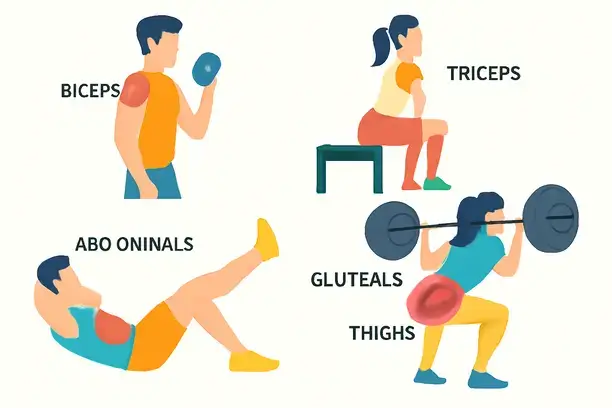
Research indicates that while total daily protein intake is crucial, how you distribute that protein across meals can significantly impact muscle-building outcomes.
For optimal muscle protein synthesis, aim to consume evenly spaced meals that each provide a sufficient amount of high-quality protein. This approach ensures you consistently surpass the leucine threshold—the amount needed to trigger maximal muscle protein synthesis. Source: GSSI Research suggests that rapidly digestible proteins like whey are particularly effective post-workout, as they deliver amino acids quickly to repair and rebuild muscle tissue.
Your pre-workout meal should focus on providing sustained energy without causing digestive discomfort. Consume a balanced meal containing carbohydrates and protein a few hours before training.
If you’re eating closer to your workout, opt for a smaller, easily digestible snack. This ensures adequate glycogen stores while preventing energy crashes during intense sessions.
For those following an intense gym workout routine, proper pre-workout nutrition can make a noticeable difference in performance and endurance. Some people find that including simple carbohydrates like fruit 30 minutes before training provides quick energy without digestive issues.
The post-workout period represents a critical opportunity for muscle repair and growth. Consume high-quality protein within a couple of hours after training to maximize muscle protein synthesis.
Research shows that combining protein with carbohydrates during this window can enhance glycogen replenishment and recovery. Source: PubMed indicates that pre/post-exercise protein intake is particularly effective for increasing muscle mass and strength.
Whey protein is often recommended post-workout due to its rapid digestion and high leucine content, but plant-based options can also be effective when consumed in sufficient quantities. The key is ensuring your post-workout nutrition aligns with your overall daily protein targets and supports your specific training demands.
Beyond basic protein supplementation, several evidence-backed supplements can support muscle growth when combined with proper training and nutrition.
Creatine monohydrate remains one of the most researched and effective supplements for increasing strength, power, and muscle mass. Consistent daily dosing can enhance high-intensity performance and support cellular energy production.
Beta-alanine supplementation may help buffer muscle acidity during intense exercise, potentially delaying fatigue. Source: NIH/PMC research suggests that combining creatine and beta-alanine may be particularly effective for enhancing high-intensity exercise performance, though individual responses can vary.
Remember that supplements should complement—not replace—a solid foundation of whole foods and proper training. For those looking to optimize their approach, our guide on best snacks for muscle gain provides practical options that support these nutritional strategies throughout the day.
When examining the Alan Ritchson workout and similar high-intensity programs, it’s important to recognize that dramatic transformations are influenced by several variables beyond the workout itself.
Genetics play a foundational role, determining your baseline muscle fiber composition, hormone levels, and how your body responds to resistance training.
Research indicates that with optimized training and nutrition, initial muscle gains may be possible for beginners, but this rate is highly dependent on individual genetic factors and training history. Source: Sports Dietitians Australia
Your genetic blueprint influences key elements like myostatin regulation, testosterone response, and muscle recovery capacity, which collectively determine your potential for growth.
Your training background significantly impacts results. True beginners often experience rapid “newbie gains” during their first several months of consistent training, while those with years of lifting experience face diminishing returns.
Other critical variables include:
When motivation wanes due to slower-than-expected progress, revisiting proven strategies to maintain workout consistency can help bridge the gap between expectations and reality.
Similarly, understanding how to integrate nutrition with your training plan ensures you’re supporting your efforts in the kitchen as well as in the gym.
Setting realistic goals means acknowledging that professional transformations involve years of dedicated work, expert guidance, and favorable genetics. For most people, sustainable progress involves celebrating small victories—increased strength, better form, improved endurance—rather than fixating solely on mirror changes that require long-term consistency.
Short, focused workouts can deliver impressive results if you maximize intensity and progressively overload the muscles. However, genetics and consistency play a significant role, and you should set expectations based on your starting point and individual factors.
No, daily intense training can impede recovery. Alan Ritchson reportedly trains around five days per week, allowing for crucial rest and muscle repair. Ensure you build rest days or active recovery into any demanding routine.
Mastering exercise execution isn’t just about moving weight—it’s about understanding biomechanics and preventing injuries through precise technique.
Research shows technical errors and overloading are significant contributors to weightlifting injuries. Source: NIH/PMC This makes form correction not just an optimization strategy, but a critical safety protocol.
Proper deadlift setup begins with feet hip-width apart, bar over mid-foot, and shoulders slightly behind the bar.
The most common mistake is rounding the lower back during the pull, which transfers dangerous shear forces to spinal discs. Instead, maintain a neutral spine by bracing your core and “packing” your lats before initiating movement.
Another frequent error involves improper hip positioning—starting too high (making it a stiff-legged deadlift) or too low (turning it into a squat). The ideal starting position places hips higher than knees but lower than shoulders, creating optimal leverage.
Grip the ground with your feet to generate full-body tension before lifting.
For back squats, proper bar placement and torso angle determine safety and effectiveness. High-bar positioning requires a more upright torso, while low-bar placement allows forward lean.
Common mistakes include knee valgus (knees caving inward), excessive forward lean, and insufficient depth.
To correct knee valgus, focus on “screwing your feet” into the ground to activate glutes and maintain external rotation. For depth issues, ensure ankle mobility allows proper descent without heel lift. Always maintain tension throughout the movement—don’t relax at the bottom position.
Bench press safety hinges on proper scapular positioning and bar path. Retract and depress your shoulder blades before unracking to create a stable platform.
Common errors include flared elbows (placing excessive stress on shoulders), bouncing the bar off the chest, and inconsistent bar path.
Maintain an elbow angle relative to your torso to optimize shoulder health. Control the descent to your sternum, then drive the bar back toward the rack position in a slight arc. Keep your feet planted and glutes engaged for full-body stability.
Beyond specific exercise corrections, systematic approaches reduce injury risk. Regular form checks—either with a qualified coach or through video analysis—catch subtle errors before they become problematic. Source: USA Weightlifting
Progressive overload should prioritize technique over weight increases. If you’re struggling to maintain form, reduce the load rather than compromising safety.
Incorporate mobility work and accessory exercises that address your specific weaknesses, whether that’s thoracic extension for squats or lat engagement for deadlifts.
Even experienced lifters benefit from periodic form reviews. The fundamentals of proper technique apply regardless of experience level. Consistent attention to execution details transforms your training from potentially hazardous to sustainably effective.
Short, high-intensity workouts like a 7-minute circuit can be effective for improving general fitness, cardiovascular health, and muscular endurance, especially for beginners or those with limited time. However, for significant muscle building or strength gains comparable to a bodybuilder’s physique, you’ll need a more structured, progressive resistance training program with adequate volume and recovery.
Curious what is the primal diet? Discover how eating like your ancient ancestors—with a side of cheese—might energize you (and your next caveman impression).
Curious about the zero starch diet? Learn what you can actually eat, how to avoid salad boredom, and why potatoes are definitely not invited to this party.
A beginner swim workout turns splashing around into smart, safe exercise—even if your best stroke is “try not to panic.” Learn to swim with confidence (and laughs).