Tips
What Is the Primal Diet? Why Your Inner Caveman Might Need a Salad
Curious what is the primal diet? Discover how eating like your ancient ancestors—with a side of cheese—might energize you (and your next caveman impression).
Real-Life Fitness for Real People
Since 2024
Starting a weight loss journey can be thrilling yet daunting. With many fad diets and quick fixes around, it’s easy to get confused. But, the secret to sustainable weight loss is adopting a healthy and maintainable lifestyle. The Centers for Disease Control and Prevention (CDC) say losing one to two pounds a week is safe …

Starting a weight loss journey can be thrilling yet daunting. With many fad diets and quick fixes around, it’s easy to get confused. But, the secret to sustainable weight loss is adopting a healthy and maintainable lifestyle.
The Centers for Disease Control and Prevention (CDC) say losing one to two pounds a week is safe and effective. This means a 3 month diet plan for weight loss that aims for steady progress, not quick fixes. A good weight loss diet plan can help you reach your goals and ensure long-term success.
Starting a 3-month diet plan is a smart choice for those aiming for lasting weight loss. Unlike quick fixes that don’t last, a longer diet plan helps build lasting habits. This approach is more effective than fad diets that lead to short-term gains and then weight gain.
Weight loss that lasts is based on changing habits and how your body works. A 3-month diet plan lets your body adjust to new eating habits. This makes it more likely you’ll keep the weight off. The Mayo Clinic Diet says changing daily habits is key to losing weight.
A longer diet plan has many advantages. It leads to gradual weight loss that’s easier to keep up. It also helps you develop healthy eating habits for life. Plus, a 3-month plan is flexible, making it less likely you’ll get bored with your diet.
In 90 days, you’ll not only lose weight but also change how you see food and your body. The first month sets the stage, the second speeds up your progress, and the third helps keep the results. Here’s what you can expect:
| Phase | Focus | Expected Outcome |
|---|---|---|
| Month 1: Foundation | Eliminating processed foods, establishing portion control | Initial weight loss, improved eating habits |
| Month 2: Acceleration | Optimizing protein and fiber intake, strategic carbohydrate timing | Continued weight loss, improved metabolic health |
| Month 3: Sustainability | Fine-tuning nutrition, building lasting habits | Sustained weight loss, long-term healthy habits |
Understanding the benefits of a 3-month diet plan helps you make better choices for your weight loss journey. It sets you up for success in the long run.
Starting your 3-month diet plan with realistic goals is key. To lose weight, you need to eat fewer calories than you burn. This is called a calorie deficit.
Your weight loss goal should be 1-2 pounds a week. This means you need to eat 500-1000 calories less each day. Losing 12-24 pounds in 3 months is a good and reachable goal.
Make SMART (Specific, Measurable, Achievable, Relevant, Time-bound) goals for weight loss. For instance, “I will lose 15 pounds in 3 months by eating healthy and exercising often.”
The scale is helpful, but it’s not everything. Watch how your body measurements and health change. As
“The greatest wealth is health.”
– Virgil says, focusing on your overall health is most important.
Setting realistic goals and tracking your progress helps you stay on track. This way, you’re more likely to reach your weight loss goals.
Month 1 is all about setting the stage for a successful weight loss journey through healthy eating habits. This initial phase is key as it sets the foundation for the months ahead.
The first two weeks focus on cutting out processed foods from your diet. These foods are often high in unhealthy fats, sugars, and sodium. By removing them, you’ll make a big step towards healthy eating for weight loss.
After reducing processed foods, it’s time to work on portion control. Knowing and managing your food intake is key for weight loss. It means being aware of serving sizes and not overeating, even with healthy foods.
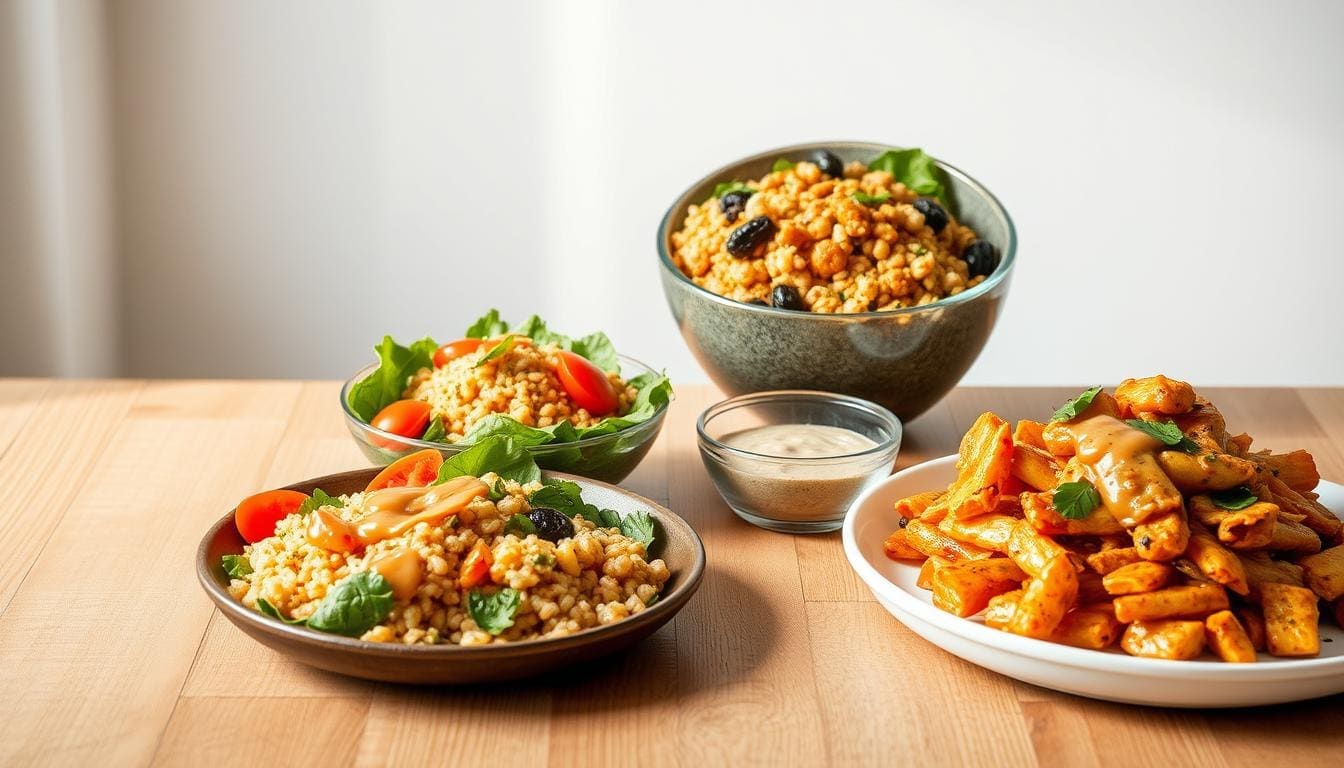
A well-structured meal plan is key for a successful weight loss diet. Here’s a look at what your meals could be:
This meal plan is designed to be flexible and efficient. It lets you reuse ingredients and leftovers, saving time and energy.
As we move into the second month of our 90-day weight loss program, it’s time to step up our game. This phase is key for speeding up weight loss and building on what we started in the first month.
In weeks 5-6, we’ll focus on optimizing protein and fiber intake. Protein is essential for weight loss as it helps control hunger and reduces the hunger hormone ghrelin. Eat a balanced diet with lots of protein from lean meats, fish, and legumes. Also, eat plenty of fiber from veggies, fruits, and whole grains to stay full and cut down on calories.
In weeks 7-8, we’ll use strategic carbohydrate timing. This means eating carbs when you need them most, like after working out or in the morning. Choose complex carbs like whole grains, fruits, and veggies to boost energy and aid in weight loss.
A good meal plan is key for success in your 90-day weight loss journey. Here are some healthy meal ideas for Month 2:
By sticking to this plan and trying out these meal ideas, you’ll be well on your way to reaching your weight loss goals.
After two months, it’s time to make your weight loss plan last. The third month is key for switching to a sustainable weight loss diet. This diet should be easy to keep up with for a long time.
Weeks 9 and 10 are for tweaking your diet. Make sure you’re getting the right mix of proteins, carbs, and fats. The Mayo Clinic Diet recommends trying different eating styles to keep things interesting and right for you.
The last weeks focus on building habits for long-term success. This includes planning meals, staying active, and eating mindfully. Being consistent is the secret to keeping your weight off.
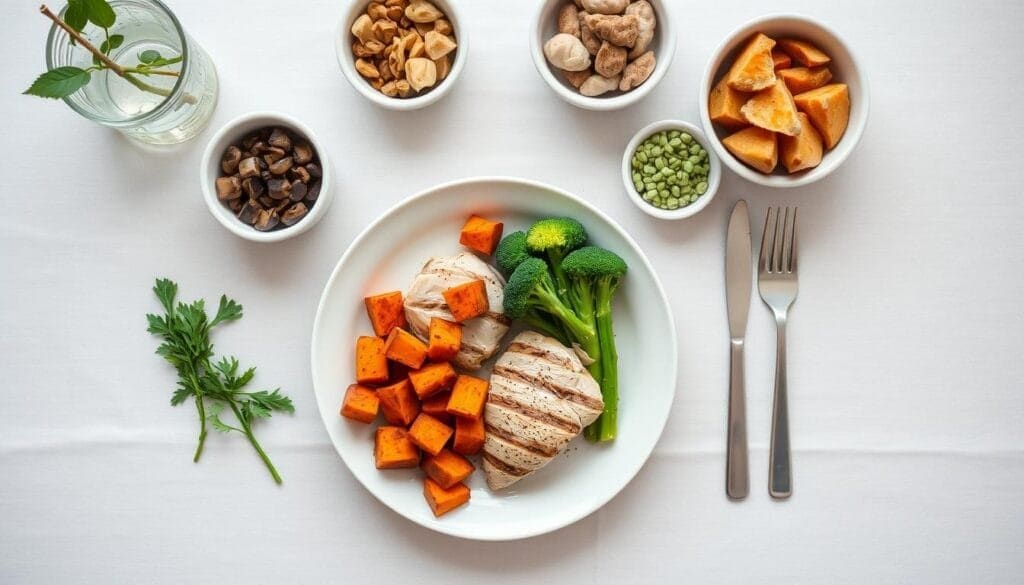
A good meal plan is vital for this phase. Here are some healthy food ideas:
By the end of the third month, you’ll have a strong base for a sustainable weight loss diet. The aim is to live a healthy lifestyle, not just follow a diet.
For a successful 90-day weight loss journey, mix healthy eating with regular exercise and mental health. It’s important to look at the whole picture, not just dieting.
More physical activity means your body burns more calories. A good workout plan should include cardio, strength training, and flexibility exercises. Try high-intensity interval training (HIIT) for quick calorie burn.
Staying motivated is key. Set SMART goals and track your progress. Celebrate small wins to keep you going.
Plateaus happen. Change your diet or exercise to get past them. Try new workouts or adjust your calorie intake.
Good sleep and stress control are essential. Bad sleep can make you hungry and gain weight. Use meditation or yoga to reduce stress.
Meal prep is a big help for busy people. Plan meals, buy ingredients, and prep ahead. Use a
A 3 month diet plan for weight loss is more than a quick fix. It’s a step towards a healthier life. By making lasting changes, people can lose weight and feel better overall.
The best diet for losing weight in 3 months means choosing better foods and handling setbacks. Plans like the Mayo Clinic Diet show how to keep weight off for good.
Following a plan and adding exercise, staying motivated, and managing stress are key. It’s about making progress, not being perfect. Celebrate every small win.
Starting a 3 month diet plan is just the first step. It’s the start of a lifelong journey to healthy eating and exercise. Embracing this journey leads to a healthier, more balanced life.
Source Link:
Curious what is the primal diet? Discover how eating like your ancient ancestors—with a side of cheese—might energize you (and your next caveman impression).
Curious about the zero starch diet? Learn what you can actually eat, how to avoid salad boredom, and why potatoes are definitely not invited to this party.
A beginner swim workout turns splashing around into smart, safe exercise—even if your best stroke is “try not to panic.” Learn to swim with confidence (and laughs).